Choosing between Hue and Hoi An can feel like choosing between two very different faces of Vietnam. One is calm, historic, and deeply rooted in imperial heritage, while the other is colorful, lively, and full of riverside charm.
In this guide, we compare Hue vs Hoi An to help you decide which city is best to visit in Vietnam, based on culture, atmosphere, experiences, and travel style, so you can plan a journey that truly matches what you’re looking for.
How far is it from Hue to Hoi An?
The distance from Hue to Hoi An is approximately 125 to 130 kilometers, depending on the route you take. While the distance itself is not very long, the journey usually takes between three and four hours by road. This is largely due to the mountainous terrain and winding coastal roads along the way.
One of the highlights of this trip is crossing the famous Hai Van Pass, often described as one of the most scenic drives in Vietnam. Along the route, travelers are treated to panoramic views of the sea, lush green mountains, fishing villages, and quiet lagoons, making the journey itself a memorable travel experience rather than just a transfer between two cities.

How far is it from Hue to Hoi An?
A quick comparison between Hue and Hoi An
At first glance, Hue and Hoi An may seem similar, as both are historic cities in central Vietnam, but the travel experience in each destination is very different.
Hue is deeply connected to Vietnam’s royal past, once serving as the imperial capital of the Nguyen Dynasty. The city feels calm, spacious, and contemplative, with wide boulevards, ancient citadels, royal tombs, pagodas, and the slow-flowing Perfume River creating a sense of quiet grandeur. Sightseeing in Hue is often more cultural and reflective, ideal for travelers who enjoy history, architecture, and a slower rhythm.
Hoi An, by contrast, is more compact, lively, and visually charming. Its UNESCO-listed old town is filled with colorful lanterns, preserved merchant houses, riverside cafés, and small boutiques. Life in Hoi An feels more social and relaxed, especially in the evenings, with street food, night markets, and nearby beaches adding to its appeal.
While Hue focuses on heritage and depth, Hoi An offers atmosphere, romance, and everyday pleasures, making each city attractive in its own distinct way.
Which has better weather, Hue or Hoi An?
When comparing the weather in Hue and Hoi An, Hoi An is generally considered to have more favorable conditions for travelers.
Hue experiences a more extreme climate, with very hot temperatures in summer and a long rainy season that often brings heavy downpours and occasional flooding between September and December. This can limit sightseeing, especially when exploring outdoor sites such as royal tombs and pagodas.
Hoi An, while also affected by the central Vietnam rainy season, tends to have slightly milder weather and fewer prolonged rains. From February to August, Hoi An enjoys warm temperatures, plenty of sunshine, and drier days, making it ideal for walking around the old town or visiting nearby beaches. Overall, travelers looking for more predictable and pleasant weather often prefer Hoi An.

Hue or Hoi An
What do Hue and Hoi An offer? Which is more interesting to explore?
Both Hue and Hoi An offer rich experiences, but they appeal to different travel interests.
Natural attractions
Hue is surrounded by gentle, understated natural scenery. The Perfume River flows quietly through the city, creating a poetic backdrop for boat trips and riverside walks.
Outside the center, visitors can explore pine-covered hills, peaceful lagoons like Tam Giang, and beaches such as Thuan An or Lang Co, which remain relatively untouched and less crowded. Nature in Hue feels tranquil and reflective rather than dramatic.
Hoi An, in contrast, offers more accessible and diverse natural attractions. In addition to the Thu Bon River, the city is close to well-known beaches like An Bang and Cua Dai, ideal for swimming and relaxing.
Just a short ride away, the countryside around Tra Que vegetable village and Cam Thanh coconut forest allows travelers to cycle through rice fields or experience basket boat rides. Overall, Hoi An’s natural surroundings are more varied and easier to combine with daily sightseeing.

Cam Thanh coconut forest
Cultural and historical attractions
Hue is one of Vietnam’s most important cultural centers. As the former imperial capital, it is home to the Imperial Citadel, royal tombs, ancient pagodas, and traditional garden houses. Exploring Hue feels like stepping into Vietnam’s dynastic past, with sites spread across the city and its outskirts. The experience is immersive but requires more time and planning due to the distance between attractions.
Hoi An’s cultural appeal lies in its well-preserved old town, where Chinese, Japanese, and European influences blend harmoniously. Historic merchant houses, old assembly halls, and the iconic Japanese Covered Bridge can all be explored on foot. While the historical depth may be lighter than Hue’s, Hoi An’s compact layout makes cultural exploration more relaxed and visually engaging.

Hue is one of Vietnam’s most important cultural centers
Popular nightlife activities
Nightlife in Hue is generally quiet and low-key. Evenings are often spent enjoying riverside cafés, night markets, or listening to traditional music performances on the Perfume River. The city suits travelers who prefer calm evenings and cultural experiences over late-night entertainment.
Hoi An comes alive after sunset. Lantern-lit streets, bustling night markets, rooftop bars, riverside dining, and evening boat rides create a vibrant yet romantic nightlife scene. While not a party destination, Hoi An offers more variety and energy in the evenings, making nights feel like an extension of the daytime experience.

Nightlife in Hoi An
What is special about Hue and Hoi An cuisine?
Cuisine is one of the strongest highlights of both Hue and Hoi An, and each city has developed a culinary identity that is famous far beyond central Vietnam.
Hue’s cuisine
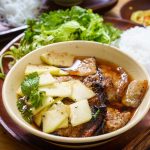
Hue’s cuisine is deeply rooted in its imperial past. As the former royal capital, the city is known for its refined court cuisine, where dishes were created to serve emperors and the royal family. This tradition emphasizes careful preparation, delicate presentation, and balanced flavors.
Alongside royal dishes, Hue is also famous for its extraordinary variety of rice-based cakes and small bites, such as steamed, grilled, and wrapped rice flour cakes, often served in small portions. These dishes are typically savory, slightly spicy, and rich in aroma, reflecting both royal sophistication and everyday local life.
Hoi An’s cuisine
Hoi An’s cuisine, on the other hand, is shaped by centuries of trade and cultural exchange. The town’s food culture blends local Quang Nam traditions with Chinese and Japanese influences, resulting in dishes that are simple yet distinctive.
Signature specialties such as Cao Lau and Mi Quang are closely tied to Hoi An’s identity and are now recognized nationwide and internationally. Fresh herbs, light broths, and well-balanced flavors are key characteristics.
In addition, Hoi An’s vibrant street food scene, riverside restaurants, and popular cooking classes make it easy for travelers to explore local cuisine in an interactive and relaxed way.
In short, Hue’s food tells stories of royalty and tradition; Hoi An’s cuisine reflects openness, creativity, and everyday charm.

Hue cuisine
Accommodation in Hue and Hoi An
Hue offers a wide range of accommodation, from budget guesthouses to elegant riverside hotels and boutique stays with a traditional feel. Prices are generally reasonable, and many hotels focus on quiet comfort and spacious surroundings.
Hoi An is known for its charming boutique hotels, stylish resorts, and homestays that blend modern comfort with local design. Many properties are located near the old town, countryside, or beach, giving travelers more choices depending on their preferences. Accommodation in Hoi An often feels more curated and experience-driven.
Should you travel to Hue or Hoi An?
Choosing between Hue and Hoi An ultimately depends on the kind of journey you are looking for. If you are drawn to history, royal heritage, and a slower, more reflective atmosphere, Hue offers a deep cultural experience through its imperial monuments, traditional cuisine, and poetic landscapes. It is ideal for travelers who enjoy meaningful exploration and discovering Vietnam’s past at a gentle pace.
Hoi An, meanwhile, is perfect for those who love charm, color, and variety. With its lantern-lit old town, famous local cuisine, nearby beaches, and lively evenings, Hoi An delivers a more relaxed yet dynamic travel experience. It suits couples, families, and first-time visitors who want culture, food, and leisure combined in one easy-to-explore destination.
To make the most of your trip, HoaBinh Tourist offers well-designed Hue tours and Hoi An tours, including guided sightseeing, authentic culinary experiences, and flexible itineraries that can be combined into one seamless Central Vietnam journey.
>> Bay Mau Coconut Forest – Hoi An Ancient Town
>> Da Nang Hoi An Hue 5 Days 4 Nights
Conclusion: Whether you choose the historical depth of Hue, the vibrant charm of Hoi An, or both, traveling with a thoughtfully planned tour will help you experience each destination to its fullest. Contact HoaBinh Tourist via hotline (+84) 939 311 911 – (+84) 913 311 911 to receive personalized advice and start planning your Vietnam journey today.