Vietnam has countless destinations, but choosing the right route can be challenging for first-time travelers. This guide highlights the best places to visit in Vietnam by region, explains what makes each destination worth visiting, and helps you choose places that match your travel style, schedule, and budget.
Best Places to Visit in Northern Vietnam
Northern Vietnam is often the best starting point for travelers who want to experience culture, dramatic landscapes, and traditional local life. This region offers a strong contrast between the vibrant capital city, peaceful countryside, mountain villages, and world-famous natural wonders.
Hanoi
Hanoi is one of the most essential places to visit in Vietnam because it introduces travelers to the country’s history, cuisine, and daily rhythm. The capital is known for its Old Quarter, Hoan Kiem Lake, French colonial architecture, traditional coffee shops, street food, museums, and temples. It is a city where ancient charm and modern energy exist side by side.
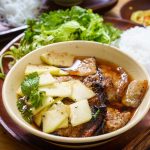
A visit to Hanoi is not only about sightseeing. Travelers can start the day with Vietnamese coffee, walk through narrow streets filled with local shops, try dishes like pho and bun cha, and visit cultural sites such as the Temple of Literature, Ho Chi Minh Mausoleum, and Hoa Lo Prison. In the evening, the city becomes lively with night markets, lakeside walks, and local dining experiences.
Hanoi is also a convenient gateway to other northern destinations such as Ha Long Bay, Ninh Binh, Sapa, and Ha Giang. For first-time visitors, it works well as the beginning of a Vietnam journey because it offers culture, food, history, and easy connections in one place.
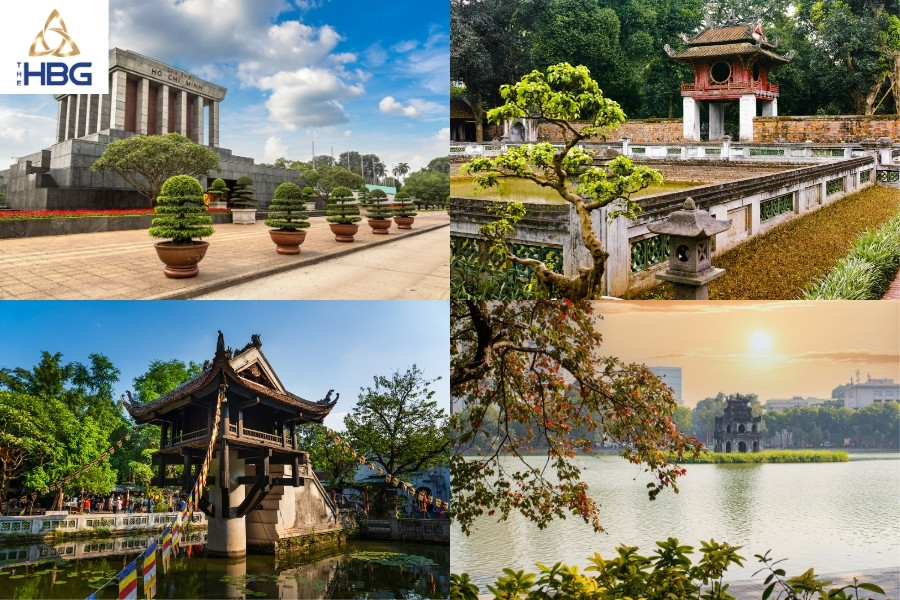
Hanoi is a cultural gateway where travelers can experience Vietnam’s history, cuisine, and vibrant local life.
Ha Long Bay
Ha Long Bay is widely considered one of the must-visit places in Vietnam thanks to its emerald waters, limestone karsts, hidden caves, and peaceful cruise experiences. The bay is especially suitable for travelers who want a scenic escape after spending time in Hanoi.
The most popular way to explore Ha Long Bay is by cruise. Depending on your schedule, you can choose a day cruise, an overnight cruise, or a more premium experience with kayaking, cave visits, sunset viewing, seafood meals, and quiet time on deck. The beauty of Ha Long Bay lies not only in its famous landscape, but also in the slow rhythm it brings to the journey.
For travelers who want a smoother experience, HoaBinh Tourist can help suggest suitable cruise options, transport from Hanoi, and itineraries based on time, budget, and comfort level.
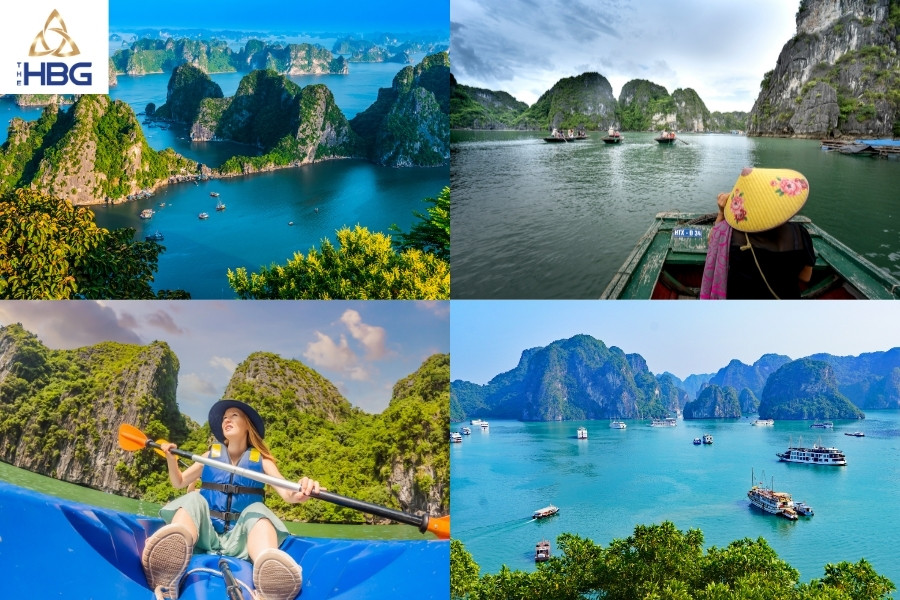
Ha Long Bay offers a dreamlike cruise experience through limestone islands, calm waters, and breathtaking natural scenery.
Ninh Binh
Ninh Binh is one of the most beautiful places to visit in Vietnam for travelers who love peaceful landscapes and soft adventure. Often described as “Ha Long Bay on land,” the province is famous for limestone mountains, rice fields, rivers, caves, and ancient temples.
Popular experiences include taking a boat ride through Trang An or Tam Coc, cycling through countryside paths, visiting Hoa Lu Ancient Capital, and climbing to the viewpoint at Mua Cave. Unlike larger cities, Ninh Binh feels slower and more open, making it ideal for travelers who want nature without going too far from Hanoi.
The destination is also easy to combine with Hanoi and Ha Long Bay. A day trip is possible, but staying overnight allows travelers to enjoy the countryside more fully, especially in the early morning or late afternoon when the scenery is quieter and softer.
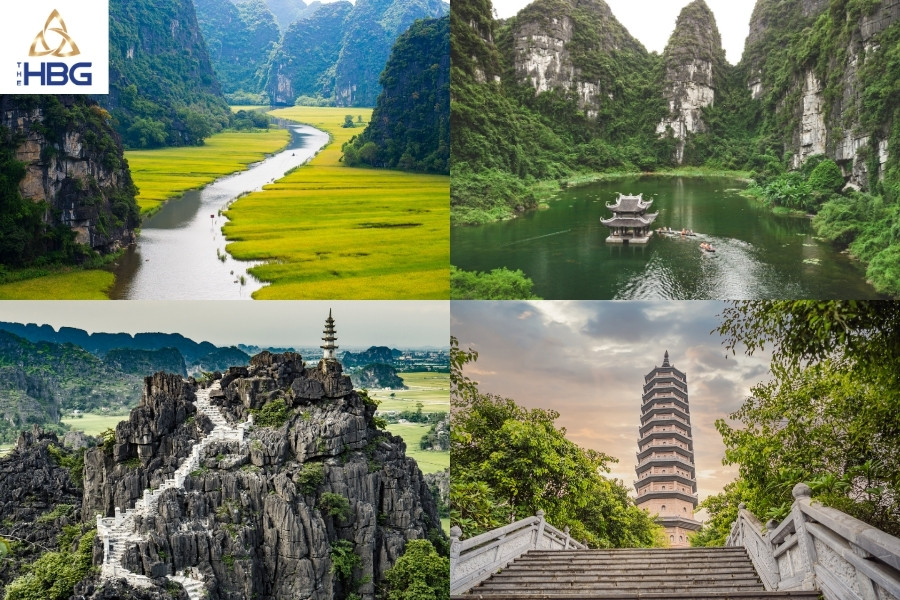
Ninh Binh is a peaceful destination where rivers, limestone mountains, and rural landscapes create a gentle nature escape.
Sapa
Sapa is one of the top places to visit in Vietnam for mountain scenery, terraced rice fields, and ethnic minority culture. Located in the northwest, it attracts travelers who want cooler weather, trekking routes, and a different side of Vietnam beyond beaches and cities.
The most memorable experiences in Sapa often involve walking through villages, admiring rice terraces, visiting local markets, and learning about the traditions of communities such as the Hmong, Dao, and Tay. The landscape changes beautifully by season: lush green terraces in summer, golden rice fields around harvest time, and misty mountain views during cooler months.
Sapa can be enjoyed in different ways. Active travelers may choose trekking and village homestays, while those who prefer comfort can stay in mountain-view hotels and take shorter guided walks. With the right pace, Sapa can be both scenic and culturally meaningful.
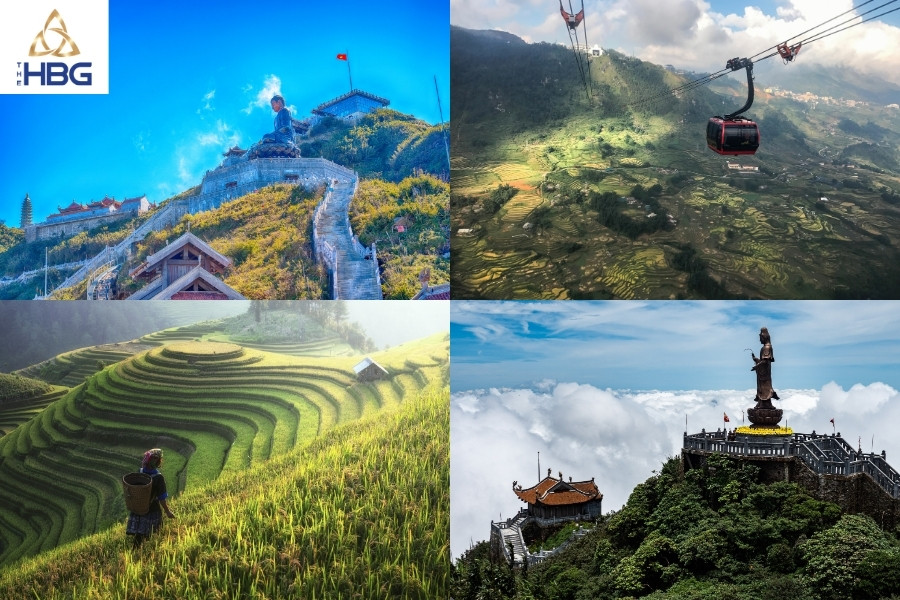
Sapa is ideal for travelers seeking mountain views, terraced rice fields, and meaningful encounters with local culture.
Ha Giang
Ha Giang is one of the most unique places to visit in Vietnam, especially for travelers who want dramatic scenery and a sense of adventure. The province is known for its winding mountain roads, deep valleys, limestone peaks, ethnic villages, and the famous Dong Van Karst Plateau.
The Ha Giang Loop is the highlight for many visitors. Along the route, travelers can see Ma Pi Leng Pass, Nho Que River, Dong Van Old Quarter, local markets, and remote mountain communities. Compared with more developed destinations, Ha Giang feels raw, powerful, and less polished, which is exactly what makes it unforgettable.
Because the roads can be challenging, travelers should plan carefully and choose reliable transport or guided arrangements. Ha Giang is best suited for those who enjoy nature, photography, cultural discovery, and longer road journeys rather than a rushed sightseeing schedule.
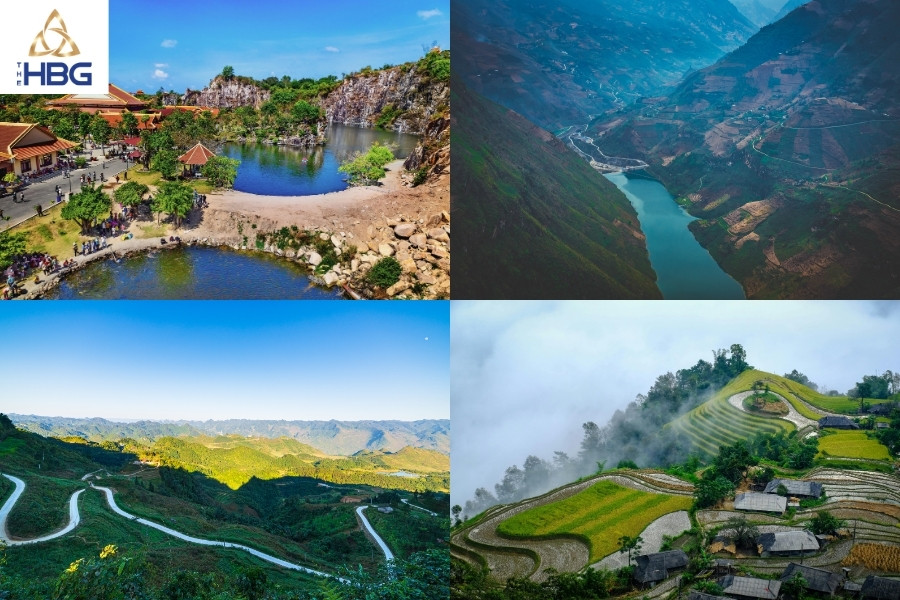
Ha Giang rewards adventurous travelers with dramatic mountain roads, ethnic culture, and some of Vietnam’s most powerful landscapes.
Best Places to Visit in Central Vietnam
Central Vietnam is a region of heritage, beaches, caves, royal history, and coastal cities. It is one of the easiest areas to design a balanced itinerary because many destinations are located within practical travel distance of each other.
Quang Tri (Former Quang Binh)
Quang Tri, including the former Quang Binh area, is one of the distinctive places to visit in Vietnam for travelers who love caves, nature, and meaningful historical landscapes. This region is best known for Phong Nha-Ke Bang National Park, a world-famous cave destination with impressive underground rivers, limestone formations, and adventure routes.
Travelers can explore caves such as Phong Nha Cave, Paradise Cave, and other guided cave experiences depending on fitness level and time. Beyond nature, the wider Quang Tri region also carries strong historical significance, with sites connected to wartime memory and national resilience. This gives the destination a deeper layer for travelers who want more than scenic views.
The region is suitable for visitors who enjoy nature-based travel, photography, soft adventure, and educational journeys. Because some experiences require specific timing and local guidance, it is helpful to plan the route in advance.
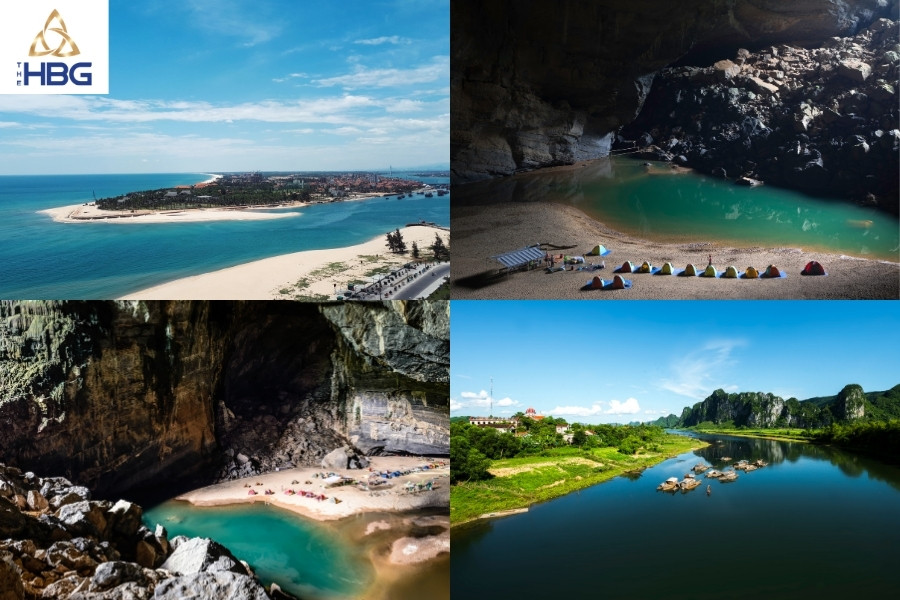
Quang Tri and the former Quang Binh area offer a powerful mix of caves, nature, and historical depth.
Hue
Hue is one of the best places to visit in Vietnam for history lovers. As the former imperial capital, the city is home to the Imperial City, royal tombs, pagodas, traditional garden houses, and the peaceful Perfume River. It carries a slower, more reflective atmosphere compared with Vietnam’s larger cities.
The main highlight is Hue Imperial City, where travelers can learn about the Nguyen Dynasty and Vietnam’s royal past. The royal tombs of emperors such as Minh Mang, Tu Duc, and Khai Dinh also offer a beautiful combination of architecture, landscape, and history. In addition, Thien Mu Pagoda and local cuisine add more depth to the Hue experience.
Hue is not only a historical destination; it is also a place to slow down. Travelers can take a dragon boat ride, enjoy traditional dishes like bun bo Hue and banh beo, and explore quiet streets that reflect the elegance of central Vietnam.
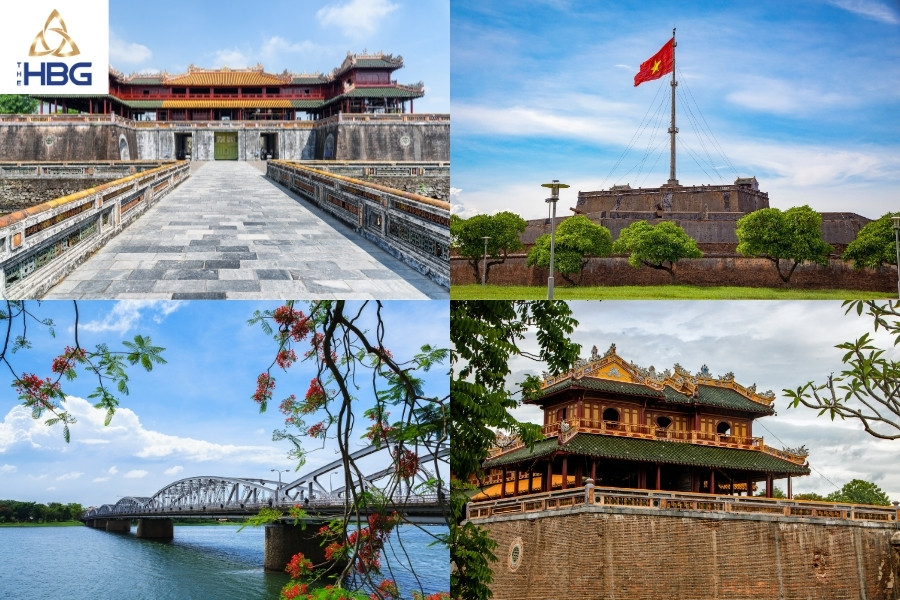
Hue preserves Vietnam’s royal heritage through imperial architecture, quiet riverside scenery, and refined local culture.
Da Nang
Da Nang is one of the most practical and good places to visit in Vietnam because it combines beaches, modern city services, family-friendly attractions, and easy access to nearby destinations. It has an international airport, a wide range of hotels, clean coastal roads, and a comfortable travel atmosphere.
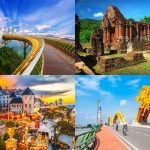
Travelers often visit Da Nang for My Khe Beach, Son Tra Peninsula, Marble Mountains, Han River, Dragon Bridge, and Ba Na Hills. The city is also a convenient base for trips to Hoi An and Hue, making it suitable for travelers who want a relaxed but well-connected itinerary.
Da Nang works especially well for families, couples, and groups because it offers both comfort and variety. Visitors can spend the morning at the beach, explore cultural sites in the afternoon, and enjoy seafood or city views in the evening.
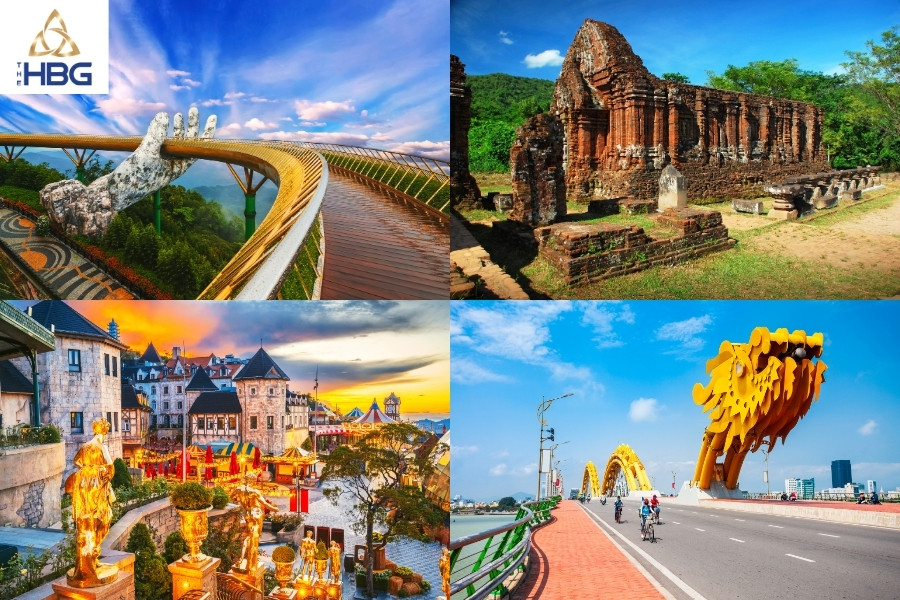
Da Nang is a modern coastal city that offers beaches, easy connections, and comfortable travel services for many visitors.
Hoi An
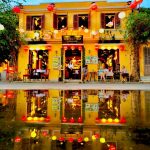
Hoi An is one of the most beloved places to visit in Vietnam for travelers who enjoy atmosphere, culture, food, and photography. The Ancient Town is famous for lantern-lit streets, yellow heritage houses, riverside cafés, tailor shops, old assembly halls, and a gentle pace that makes it easy to explore on foot.
During the day, visitors can walk through historical streets, visit old houses, cycle to the countryside, join a cooking class, or relax at nearby beaches such as An Bang. At night, Hoi An becomes especially charming as lanterns glow along the river and the old town takes on a romantic atmosphere.
Hoi An is also a great destination for travelers who want softer cultural experiences. It is less overwhelming than major cities and easy to combine with Da Nang and Hue. For first-time visitors, it often becomes one of the most memorable stops in Vietnam.
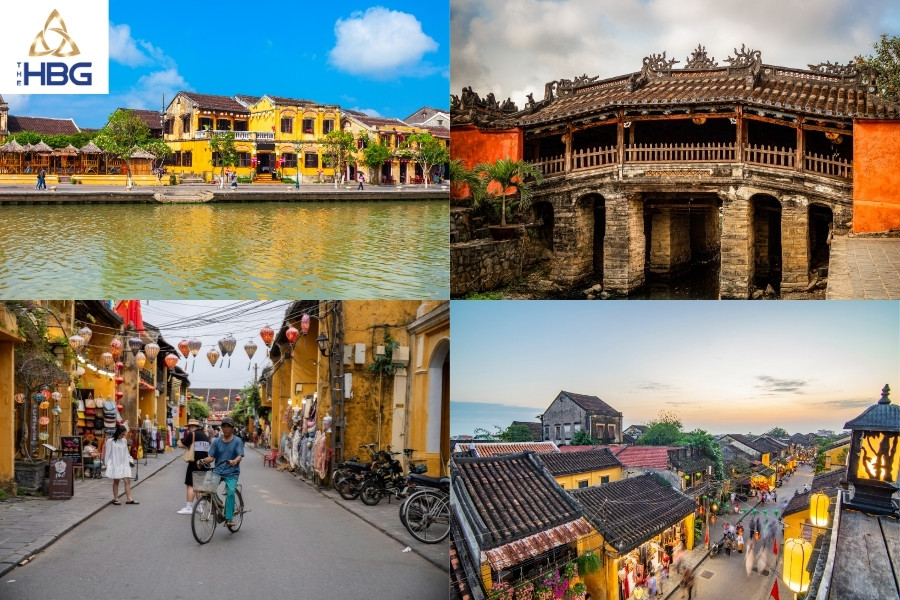
Hoi An charms travelers with lantern-lit streets, heritage architecture, local food, and a beautifully relaxed atmosphere.
Nha Trang
Nha Trang is a strong choice for travelers looking for beaches, islands, seafood, and coastal leisure. As one of the classic places to visit in Vietnam, it offers a lively beachfront city atmosphere with easy access to island tours, snorkeling, diving, mud baths, and family-friendly entertainment.
The city’s main appeal is its combination of sea, city, and convenience. Visitors can relax on the beach, take boat trips to nearby islands, visit Po Nagar Cham Towers, enjoy fresh seafood, or experience wellness activities such as hot mineral baths. Compared with quieter beach destinations, Nha Trang feels more active and energetic.
Nha Trang is suitable for travelers who want a beach holiday with more dining, nightlife, and activity options. It can also be included in a longer Central Vietnam or South-Central Coast itinerary.
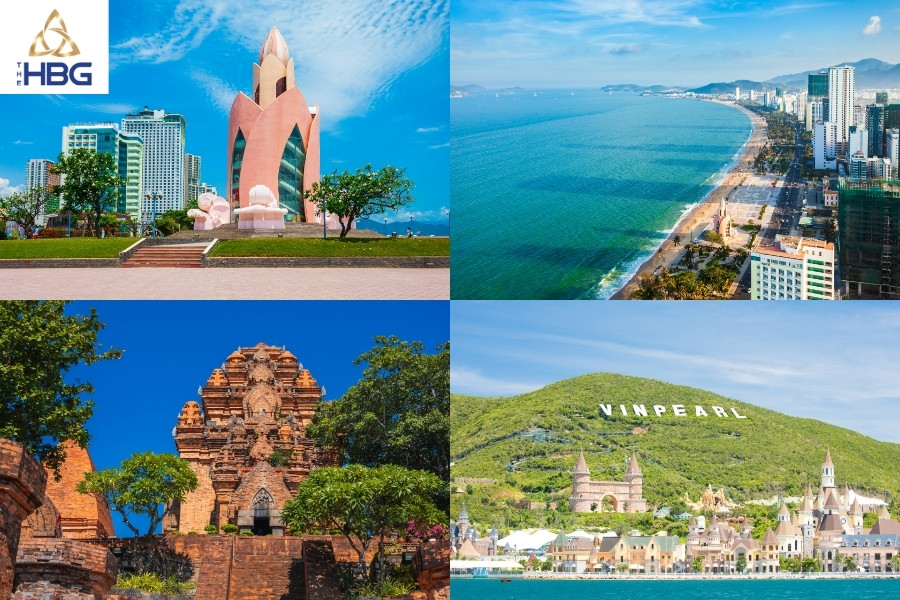
Nha Trang brings together beach relaxation, island activities, seafood, and a lively coastal city atmosphere.
Best Places to Visit in Southern Vietnam
Southern Vietnam brings a warmer, more energetic side of the country. This region is known for modern city life, river culture, floating markets, sand dunes, cool highlands, and tropical islands. For travelers searching for the best places to visit in Vietnam, the south is ideal if you want a mix of urban discovery, local lifestyle, nature, and beach relaxation.
Ho Chi Minh City
Ho Chi Minh City is one of the most dynamic places to visit in Vietnam, especially for travelers who enjoy modern energy, history, food, shopping, and nightlife. Formerly known as Saigon, the city moves at a fast rhythm, with busy streets, rooftop bars, local markets, historic buildings, and a strong café culture.
Travelers can visit landmarks such as the Central Post Office, Notre-Dame Cathedral Basilica, Independence Palace, Ben Thanh Market, and the War Remnants Museum. Beyond sightseeing, the city is also a great place to experience southern Vietnamese cuisine, from com tam and hu tieu to banh mi, seafood, and creative coffee shops.
Ho Chi Minh City works well as a starting or ending point for a southern itinerary. From here, travelers can connect easily to the Mekong Delta, Cu Chi Tunnels, Mui Ne, Da Lat, or Phu Quoc. For visitors who want both comfort and local color, the city is a practical and exciting choice.
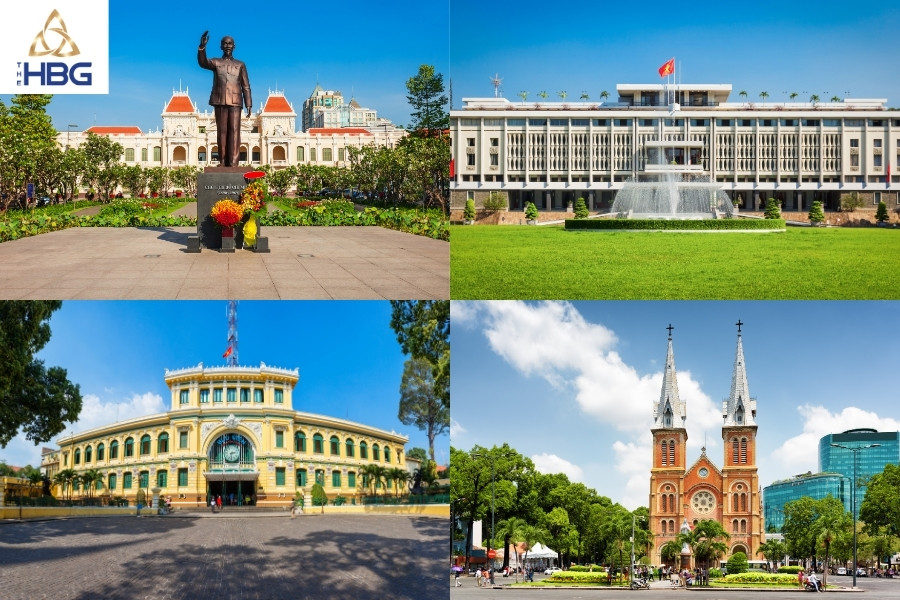
Ho Chi Minh City gives travelers a vivid taste of Vietnam’s modern lifestyle, historical depth, and energetic street culture.
Mekong Delta
The Mekong Delta is one of the most memorable Vietnam places to visit for travelers who want to see river life, fruit gardens, local villages, and floating markets. Unlike large cities, the delta moves at a slower pace, shaped by waterways, boats, farms, and traditional family businesses.
Popular experiences include boat trips through small canals, visits to fruit orchards, local workshops, riverside villages, and floating markets such as Cai Rang. Travelers can see how people live, trade, cook, and move around in a region where the river plays a central role in daily life.
The Mekong Delta is suitable for families, cultural travelers, photographers, and anyone who wants a softer local experience. It can be visited as a day trip from Ho Chi Minh City, but an overnight journey often gives travelers more time to enjoy the atmosphere without rushing.
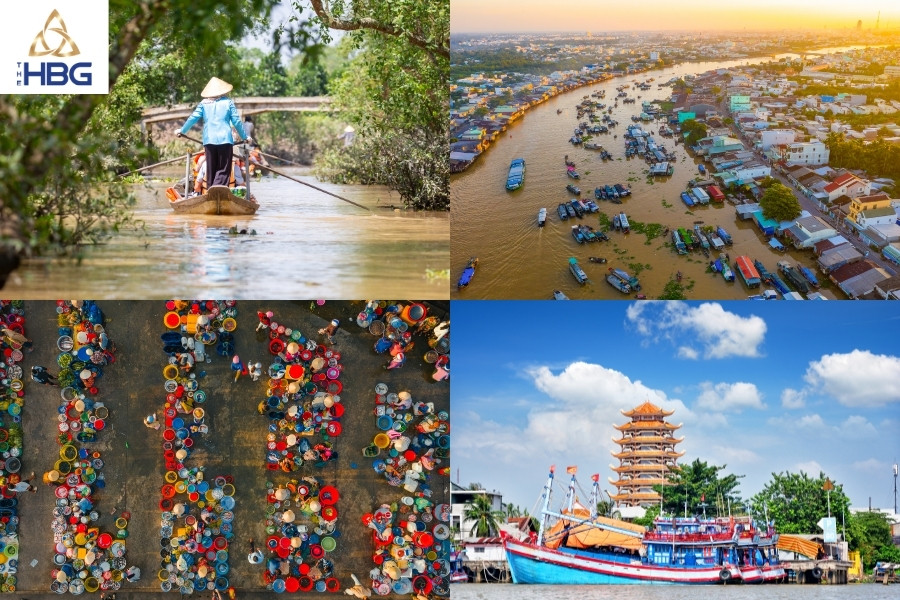
The Mekong Delta invites travelers into a gentle world of rivers, floating markets, local villages, and southern hospitality.
Mui Ne
Mui Ne is a coastal destination known for beaches, fishing villages, red and white sand dunes, and outdoor activities. It is one of the cool places to visit in Vietnam for travelers who want something different from the usual city-and-heritage route.
The most iconic experiences in Mui Ne include watching sunrise at the White Sand Dunes, walking through the Fairy Stream, visiting the fishing village, and relaxing along the beach. The destination is also popular for water sports, especially kiteboarding and windsurfing when the conditions are right.
Mui Ne is a good choice for travelers who want a short beach escape from Ho Chi Minh City or a coastal stop between Southern and Central Vietnam. It feels more laid-back than major cities but still offers enough activities for a few relaxing days.
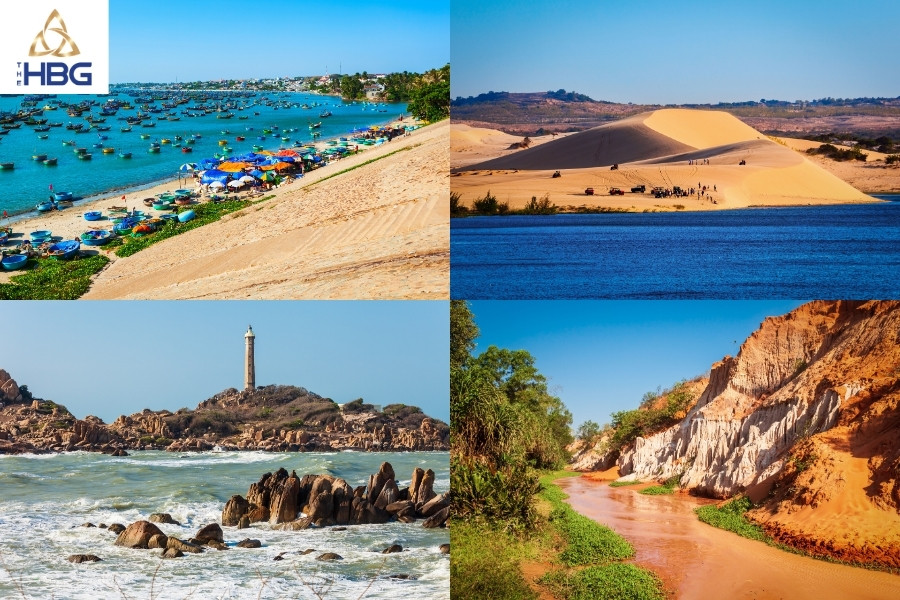
Mui Ne combines beaches, sand dunes, fishing village scenery, and soft adventure in one relaxed coastal escape.
Da Lat
Da Lat is one of the most refreshing places to visit in Vietnam for travelers who enjoy cool weather, pine forests, flowers, lakes, waterfalls, and a romantic highland atmosphere. Located in the Central Highlands, the city feels very different from Vietnam’s tropical beaches and busy urban centers.
Travelers often visit Xuan Huong Lake, Valley of Love, Datanla Waterfall, clay tunnels, flower gardens, local farms, and night markets. Da Lat is also known for coffee, strawberries, vegetables, and cozy cafés, making it a favorite destination for couples, families, and young travelers.
The city is suitable for a slower travel pace. Instead of rushing through many attractions, visitors can enjoy the cool air, scenic roads, local food, and peaceful corners around town. Da Lat is also a good option for travelers who want a softer nature experience without extreme trekking or long mountain routes.
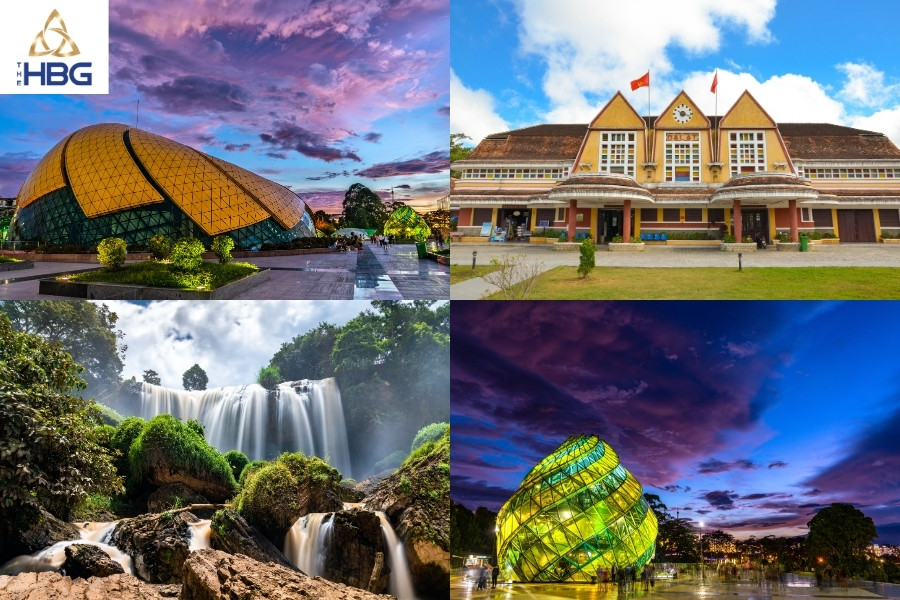
Da Lat charms visitors with cool highland weather, pine forests, waterfalls, flower gardens, and a peaceful romantic atmosphere.
Phu Quoc Island
Phu Quoc Island is one of the best places to visit in Vietnam for beach holidays, resort stays, seafood, sunsets, and tropical relaxation. Located in the south, the island is especially popular with families, couples, and travelers who want to end their Vietnam trip with comfort and leisure.
The island offers many travel styles. Visitors can relax at beachfront resorts, enjoy island-hopping tours, explore night markets, visit pepper farms, try fresh seafood, or watch the sunset at Long Beach. For families, Phu Quoc also has theme parks, safari experiences, and convenient resort facilities.
Phu Quoc is a strong choice for travelers who want Vietnam to feel easy, warm, and restful. It can be connected by flight from Ho Chi Minh City, Hanoi, Da Nang, and other major cities, making it simple to include in a longer Vietnam itinerary.
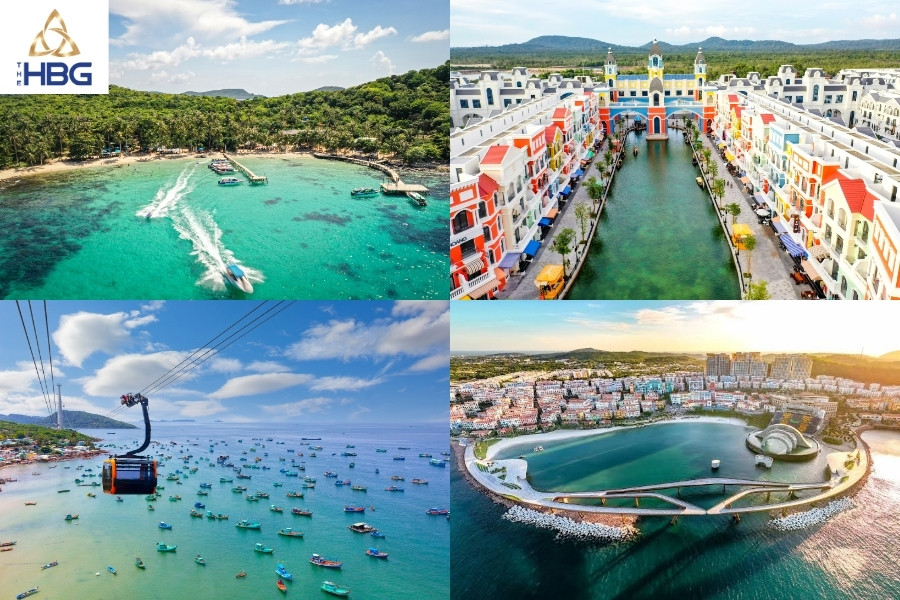
Phu Quoc Island is a tropical retreat where beaches, sunsets, resorts, and seafood create a relaxing end to a Vietnam journey.
Read more:
>> Is Vietnam a good place to visit? Everything you should know before
>> Is Vietnam safe to visit? A complete safety guide to travel
>> 18 Must-Try Traditional Foods in Vietnam for Every Traveler
How to Choose the Best Places to Visit in Vietnam
Choosing the best places to visit in Vietnam depends on your travel style, available time, season, budget, and comfort level. Vietnam is a long country, so it is better to design the journey by region instead of trying to include too many destinations in one short trip.
For nature lovers
Nature lovers should consider destinations such as Ha Long Bay, Ninh Binh, Sapa, Ha Giang, Quang Tri, Da Lat, and the Mekong Delta. These places offer different kinds of natural beauty, from limestone bays and rice fields to mountain passes, caves, waterfalls, forests, and river landscapes.
For a soft nature journey, Ninh Binh, Ha Long Bay, Da Lat, and the Mekong Delta are easier to enjoy with comfortable transfers and gentle activities. For more dramatic scenery, Sapa and Ha Giang are stronger choices, especially for travelers who enjoy mountain views, photography, and cultural discovery.
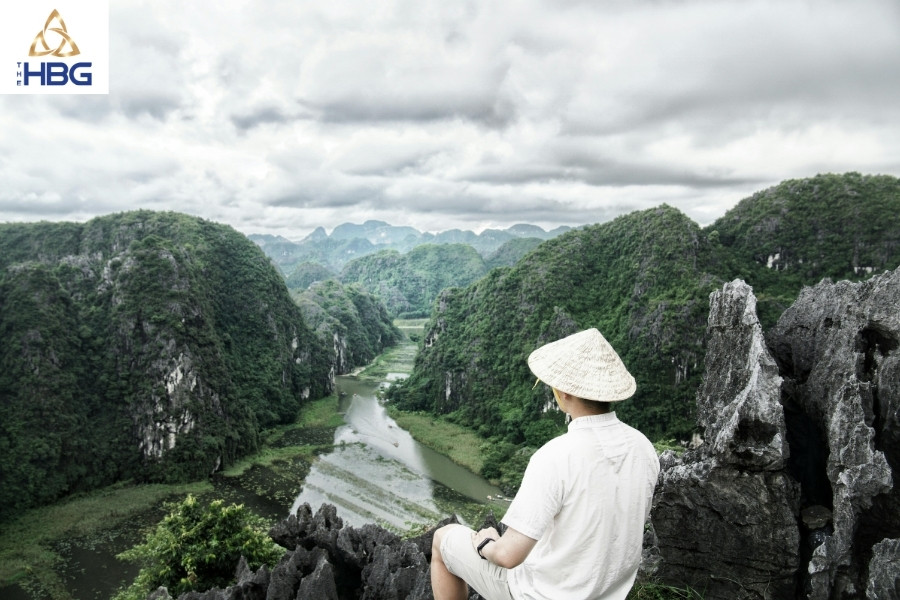
Vietnam rewards nature lovers with mountains, rivers, caves, forests, waterfalls, and peaceful countryside landscapes.
For beaches and islands
Travelers looking for beaches and islands can choose Da Nang, Nha Trang, Mui Ne, Phu Quoc, and Ha Long Bay. Da Nang is convenient and family-friendly, Nha Trang is more active and lively, Mui Ne is relaxed with unique sand dunes, and Phu Quoc is ideal for resort-style holidays.
For a balanced itinerary, beach destinations can be combined with culture. Da Nang works well with Hoi An and Hue, while Phu Quoc can be added after Ho Chi Minh City or the Mekong Delta. This makes Vietnam a good option for travelers who want both exploration and rest in one trip.
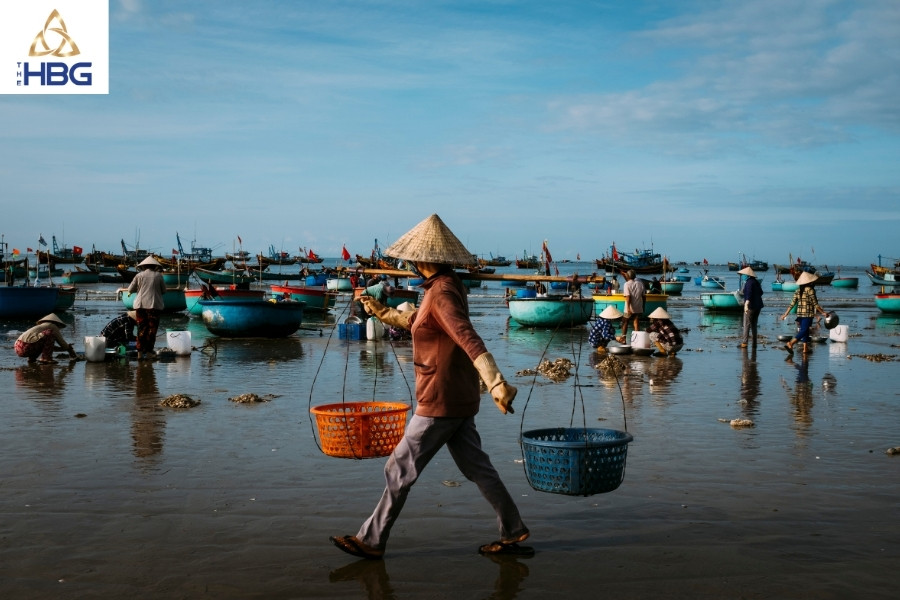
Vietnam’s beach destinations offer everything from family-friendly coastlines and island resorts to lively seaside cities and quiet escapes.
For history and culture
Travelers interested in history and culture should include Hanoi, Hue, Hoi An, Ho Chi Minh City, Quang Tri, and Ninh Binh. These destinations reveal different layers of Vietnam’s past, from ancient capitals and royal architecture to old trading towns, wartime sites, temples, museums, and traditional villages.
Hue is especially strong for imperial history, while Hoi An is ideal for heritage streets and cultural atmosphere. Hanoi offers a deep look into the country’s capital identity, and Ho Chi Minh City brings a mix of modern life and historical landmarks. For travelers who want a meaningful route, these destinations can be connected into a rich cultural journey.

Vietnam’s cultural destinations help travelers understand the country through heritage towns, royal sites, museums, temples, and local traditions.
For food lovers
Food lovers will find excellent experiences across the country. Hanoi is famous for pho, bun cha, egg coffee, and Old Quarter street food. Hue offers royal-inspired dishes and central specialties such as bun bo Hue, banh beo, and banh khoai. Hoi An is known for cao lau, mi Quang, white rose dumplings, and cooking classes.
In the south, Ho Chi Minh City offers a wide mix of regional dishes, street food, modern cafés, and local markets. The Mekong Delta is great for tropical fruits, river fish, coconut-based dishes, and home-style meals. Food is one of the easiest ways to understand Vietnam’s regional diversity.
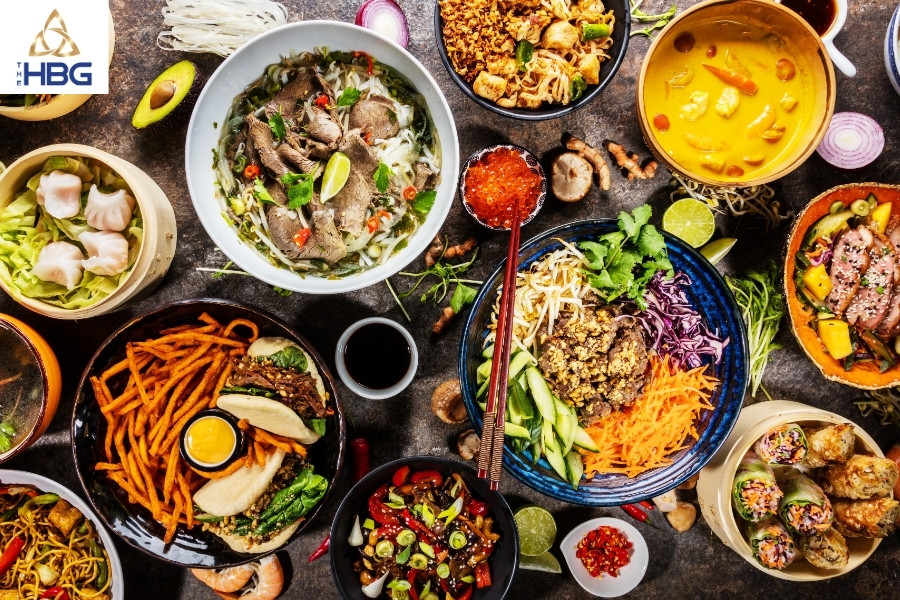
Vietnam is a paradise for food lovers, with each region offering its own flavors, ingredients, and local dining culture.
For adventure seekers
Adventure seekers should look at Ha Giang, Sapa, Quang Tri, Ninh Binh, Da Lat, Mui Ne, and Ha Long Bay. These destinations offer trekking, mountain roads, cave exploration, kayaking, cycling, canyoning, sand dunes, and outdoor discovery.
The level of adventure can be adjusted. Some travelers may choose light activities such as boat rides, short hikes, and countryside cycling. Others may prefer multi-day mountain journeys, cave tours, kayaking routes, or highland adventures. Safety, weather, fitness level, and reliable local guidance should always be considered before choosing more active experiences.
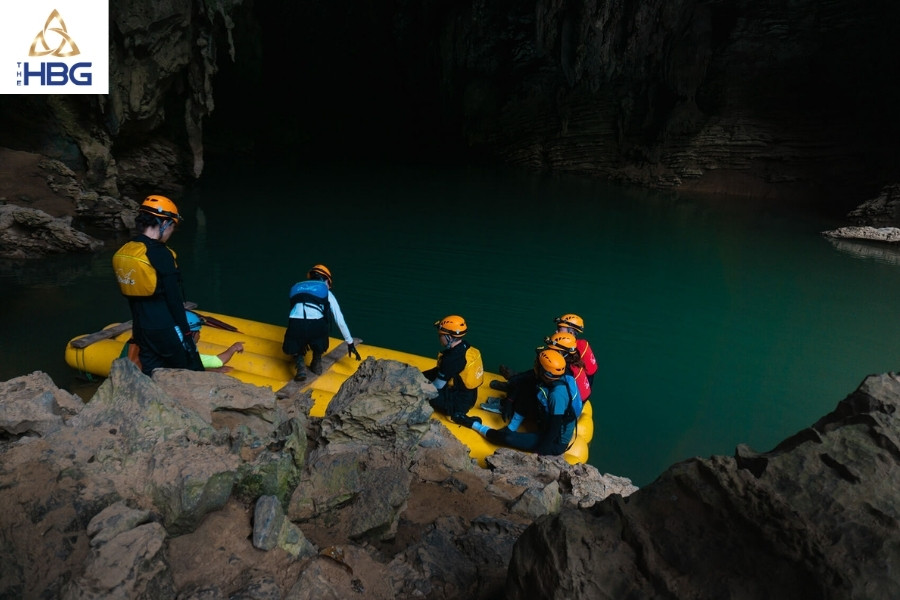
Vietnam offers adventure in many forms, from gentle outdoor activities to mountain routes, caves, kayaking, and highland exploration.
Conclusion
Vietnam is filled with destinations that can satisfy many travel styles, from cultural city breaks and heritage towns to beaches, islands, mountains, caves, rivers, and modern urban experiences.
With the right itinerary, Vietnam can feel diverse without being overwhelming, exciting without being rushed, and deeply memorable without needing to visit every famous stop.
HoaBinh Tourist, under The HBG Tourist – a brand within The HBG ecosystem, can help you design a Vietnam journey around your travel style, budget, group size, and preferred pace. Whether you are planning a classic first-time itinerary, a family holiday, a beach escape, a cultural journey, or a customized private tour, HoaBinh Tourist provides local support to make your trip smoother, more comfortable, and more meaningful.

Vietnam is a destination of many journeys, where every traveler can find the route that feels right for them.