If you are wondering whether Vietnam is safe to visit, the answer is generally yes with proper planning and basic precautions. This guide covers the key safety points travelers should know before departure, from traffic, petty theft, food hygiene, weather risks, and local customs to health preparation and visa checks. Let’s dive in!
Is Vietnam safe for tourists?
Vietnam is generally considered a safe and welcoming country for tourists, especially in major destinations. For first-time travelers, Vietnam is best understood as a friendly and rewarding destination that still requires practical awareness.
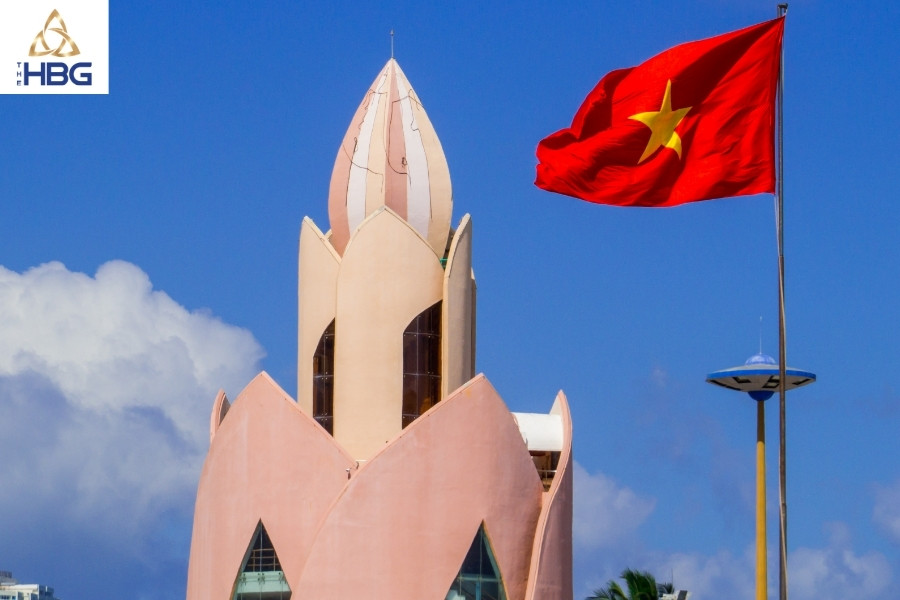
Vietnam is generally safe for tourists, but smart preparation helps travelers enjoy the journey with greater comfort and confidence.
Overall safety in Vietnam
Vietnam is a relatively safe destination for tourists, with lively public spaces, active local communities, and tourism services available in most popular areas. Major hotels, airports, attractions, restaurants, and tour operators are used to welcoming international visitors, making travel easier than many first-time travelers expect.
However, visitors should still take normal precautions. Petty crime such as pickpocketing, phone snatching, and bag grabbing can occur, especially in crowded streets, markets, nightlife areas, transport hubs, and popular tourist locations. Keeping valuables secure, avoiding flashy jewelry, and carrying only necessary cash can help reduce risk.
Traffic is another major safety factor. Motorbike traffic in large cities can feel overwhelming, and crossing the road may be unfamiliar for visitors. Using trusted taxis, ride-hailing apps, private transfers, or arranged transport is usually safer than relying on informal services.
In short, safety in Vietnam depends on how well travelers understand local conditions and prepare for common situations. With sensible choices, such as using reliable transport, protecting valuables, checking weather, and following local customs, visitors can explore the country with greater comfort and confidence.
Is Vietnam safe for solo travelers, families, and women?
Vietnam can be a suitable destination for solo travelers, families, and women traveling alone, especially when the itinerary is planned at a comfortable pace. Solo travelers often find Vietnam easy to navigate because major tourist areas have many cafés, hotels, hostels, guided tours, and transport options. It is still wise to stay in central areas, avoid quiet streets late at night, and use reliable transport after dark.
Families can also travel safely in Vietnam when they choose destinations with strong tourism infrastructure. Da Nang, Hoi An, Phu Quoc, Ha Long Bay, Ninh Binh, and Ho Chi Minh City are common choices because they offer family-friendly hotels, accessible restaurants, and adjustable activities. Parents should prepare basic medicine, sunscreen, mosquito repellent, light clothing, and enough rest time between transfers.
For female travelers, Vietnam is generally welcoming. However, conservative clothing may be more appropriate when visiting temples, pagodas, rural areas, or local communities. Women traveling alone should keep bags close, avoid walking alone late at night in unfamiliar streets, and arrange transport through trusted services. Vietnam Tourism also notes that female travelers are generally welcomed, while advising caution at night and cultural respect.
Common risks travelers should know
Like any popular travel destination, Vietnam has some common risks that visitors should understand before arrival. These risks are usually manageable, but ignoring them can lead to unnecessary stress, extra costs, or unpleasant experiences.
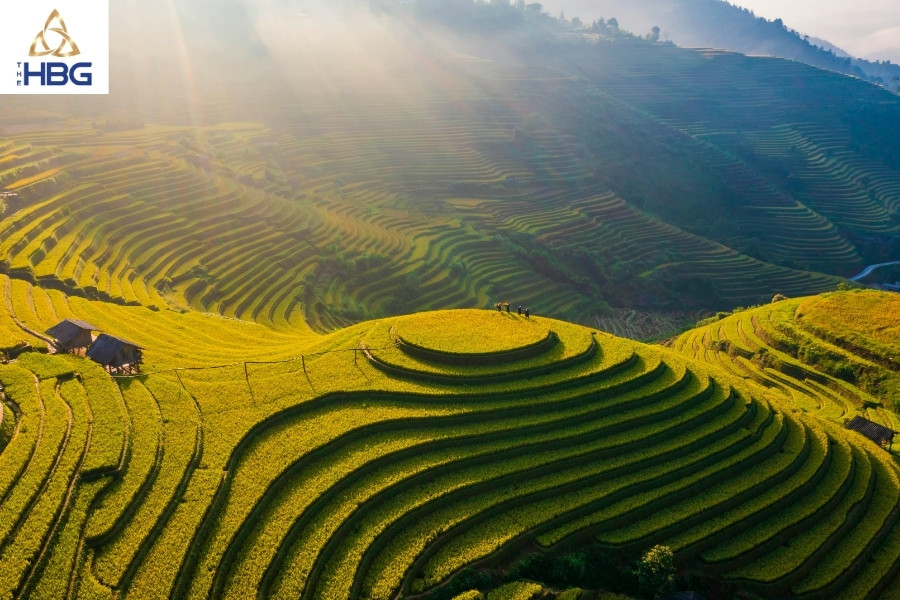
Understanding common risks helps travelers explore Vietnam more calmly, confidently, and safely.
Petty theft and pickpocketing
Petty theft is one of the most common issues tourists may encounter in Vietnam, especially in crowded places. Pickpocketing and bag snatching can happen in busy markets, night streets, tourist attractions, bus stations, and areas with heavy motorbike traffic. Official travel guidance also notes that theft, bag grabs, and pickpocketing sometimes occur in popular tourist locations.
Travelers should keep phones, wallets, passports, and cameras secure. Avoid holding your phone loosely near the street, especially when standing close to moving traffic. Crossbody bags should be worn in front of the body, and passports should be stored in a hotel safe when not needed. Carrying a copy or digital scan of your passport is also useful.
When sitting at cafés, restaurants, or street food stalls, do not leave bags hanging on the back of chairs or phones lying near the edge of the table. These small habits can prevent most petty theft situations.
Tourist scams and overcharging
Tourist scams in Vietnam are usually related to unclear pricing, taxi meters, street vendors, low-quality tours, unofficial travel agents, or services that seem cheaper than normal. Overcharging may occur when travelers do not confirm prices before using a service or buying a product.
To avoid scams, always check prices in advance, ask for written confirmation for tours or transfers, and book cruises, day trips, and long-distance transport through reliable providers. For taxis, use trusted companies, hotel-arranged cars, or ride-hailing apps where the price and driver information are shown before the trip.
In popular destinations, be careful with offers that feel too pushy or unusually cheap. A low price may lead to hidden charges, poor service, or last-minute changes. Vietnam Tourism also advises travelers to book Ha Long Bay cruises and tours through reputable companies or vetted travel agents to avoid poor experiences.
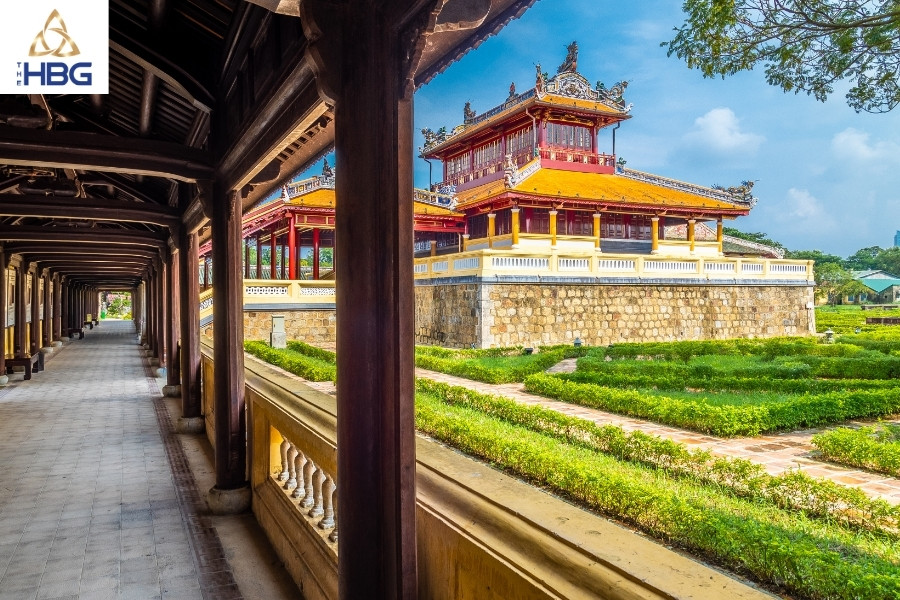
Clear pricing, trusted providers, and careful booking choices help travelers avoid common scams and overcharging.
Traffic and road safety
Traffic is often the biggest adjustment for international visitors in Vietnam. Hanoi and Ho Chi Minh City have dense motorbike traffic, busy intersections, and a driving style that can feel chaotic at first. Road safety risks are higher when travelers use informal transport, rent motorbikes without experience, or underestimate local traffic patterns.
For most visitors, the safest option is to use private transfers, licensed taxis, ride-hailing apps, or organized transportation. If using a motorbike taxi, always wear a helmet and check the driver and vehicle information when booking through an app. Travelers should also be cautious when crossing streets: walk steadily, avoid sudden movements, and follow pedestrian crossings when available.
Driving yourself in Vietnam may not be suitable for many tourists. Some foreign licenses or international permits may not be accepted in the way travelers expect, and local traffic rules can be different from home. Official guidance notes that dense motorbike traffic and road conditions can pose safety risks, especially in major cities.
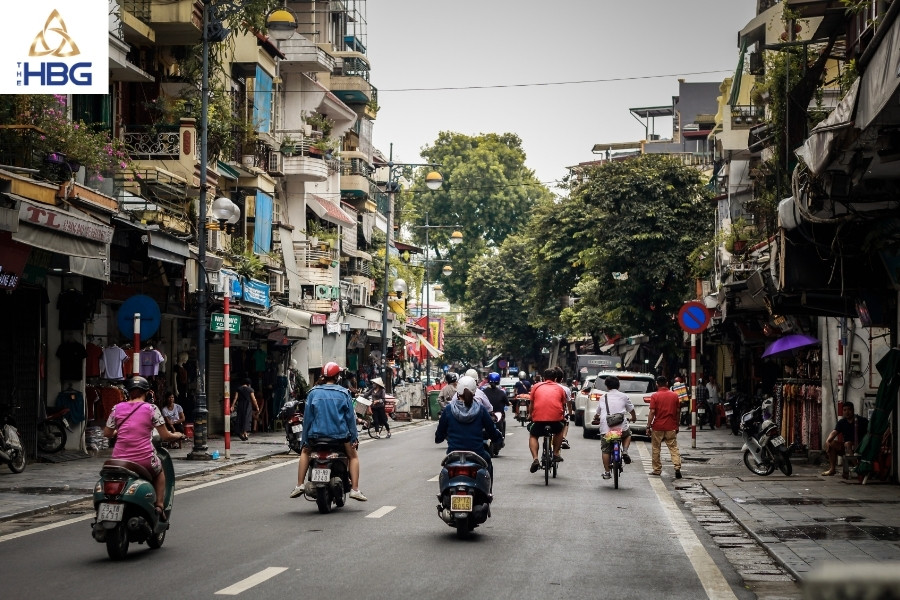
Vietnam’s traffic can feel intense, but reliable transport and careful street-crossing habits make travel much safer.
Night safety in major cities
Vietnamese cities can be lively and enjoyable at night, with night markets, street food, cafés, rooftop bars, riverside walks, and entertainment areas. In popular districts, many travelers feel comfortable going out in the evening. However, night safety still depends on location, transport, and personal awareness.
Travelers should avoid poorly lit streets, isolated alleys, and unfamiliar areas late at night. Keep valuables close, do not carry too much cash, and be cautious with strangers offering unofficial services. If returning to the hotel late, using a ride-hailing app or trusted taxi is safer than walking a long distance alone.
Alcohol can also reduce awareness, so visitors should stay in control and keep an eye on personal belongings in bars or crowded nightlife streets. Families and solo travelers may prefer accommodations in central, well-reviewed areas to make evening movement easier.
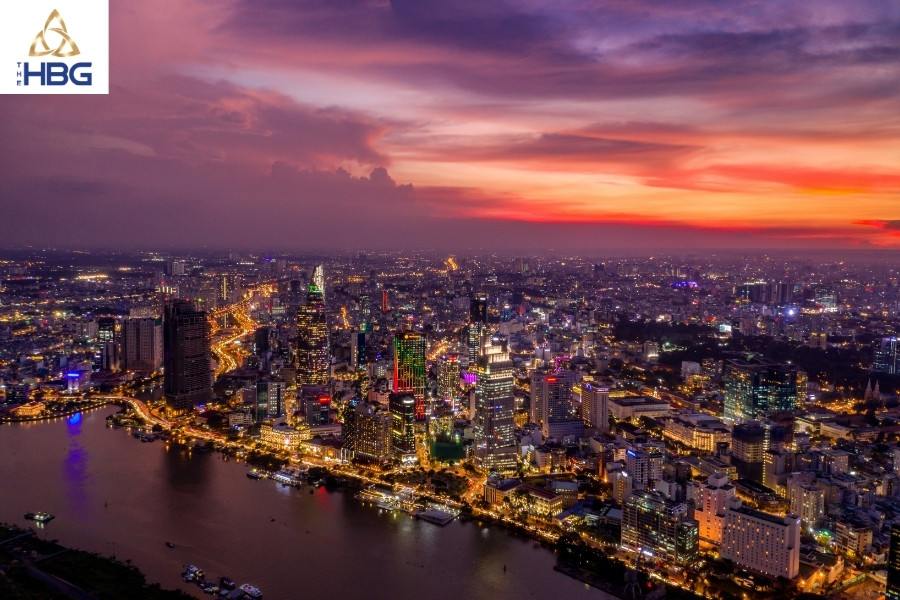
Vietnam’s nightlife can be enjoyable and lively when travelers choose safe areas, reliable transport, and stay aware after dark.
Health and food safety in Vietnam
Health and food safety are important parts of travel preparation in Vietnam. The following tips may be useful to you:
Is Vietnamese street food safe?
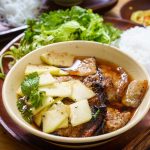
Vietnamese street food is one of the highlights of traveling in the country, and many travelers enjoy it safely every day. Dishes such as pho, banh mi, bun cha, goi cuon, com tam, and Vietnamese coffee are part of the local experience. In many places, street food is cooked fresh, served quickly, and eaten by a high number of local customers.
The safest approach is to choose busy stalls with high turnover, where food is prepared in front of you and ingredients do not sit out for too long. Hot, freshly cooked food is usually a better option than items that look uncovered or have been sitting at room temperature. Travelers with sensitive stomachs may want to start with simple dishes and avoid overly adventurous food on the first day.
Vietnam Tourism notes that street food is generally quite safe, but travelers should still use judgment when choosing vendors.
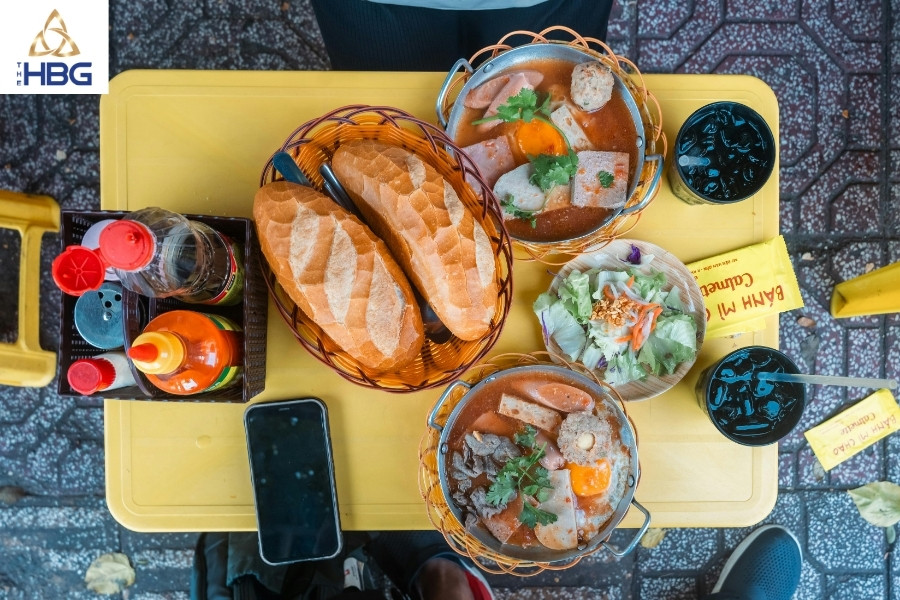
Vietnamese street food can be safe and memorable when travelers choose busy vendors and freshly prepared dishes.
Drinking water and food hygiene
Tap water in Vietnam is not recommended for drinking. Travelers should use bottled water with intact seals, filtered water from trusted accommodations, or boiled water when necessary. This is especially important for visitors with sensitive stomachs or when traveling in rural areas.
Be careful with ice in remote areas if you are unsure about the water source. Fresh fruit is best eaten when peeled or washed properly. For salads and raw vegetables, choose restaurants with good hygiene and steady customer traffic. Hand sanitizer can also be useful before meals, especially during market visits or street food stops.
Food hygiene in Vietnam varies by location, so personal judgment matters. Busy restaurants, clean cooking areas, and high ingredient turnover are usually good signs. If you experience stomach discomfort, drink plenty of fluids and seek medical help if symptoms persist.
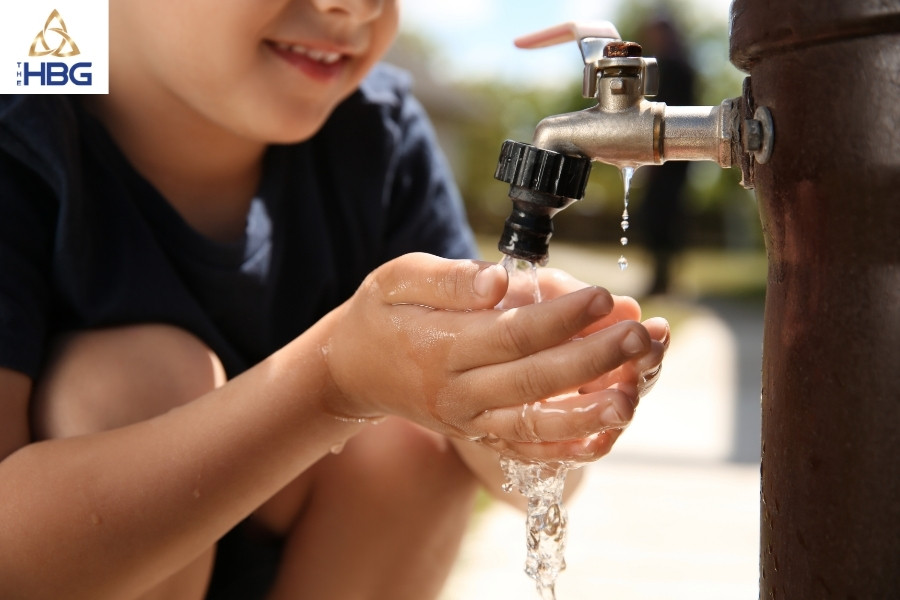
Safe drinking water and careful food choices help travelers avoid common stomach issues during a Vietnam trip.
Heat, pollution, and mosquitoes
Vietnam can be hot and humid, especially in southern destinations and during summer months. Heat exhaustion, dehydration, and sunburn are common concerns for travelers who spend long hours outdoors. Wearing breathable clothing, using sunscreen, carrying water, and planning breaks during the hottest part of the day can make the trip more comfortable.
Air pollution may affect travelers with asthma, allergies, or respiratory sensitivity, especially in large cities. A light mask can be helpful on busy roads or during days with poor air quality. Travelers who prefer cleaner air may want to include countryside, coastal, or mountain destinations in their itinerary.
Mosquitoes are another issue in some regions, especially around rivers, rural areas, and during rainy periods. Use insect repellent, wear long sleeves when needed, and choose accommodations with screens or good air conditioning. Vietnam Tourism highlights heat, pollution, and mosquito-borne diseases as health concerns travelers should prepare for.
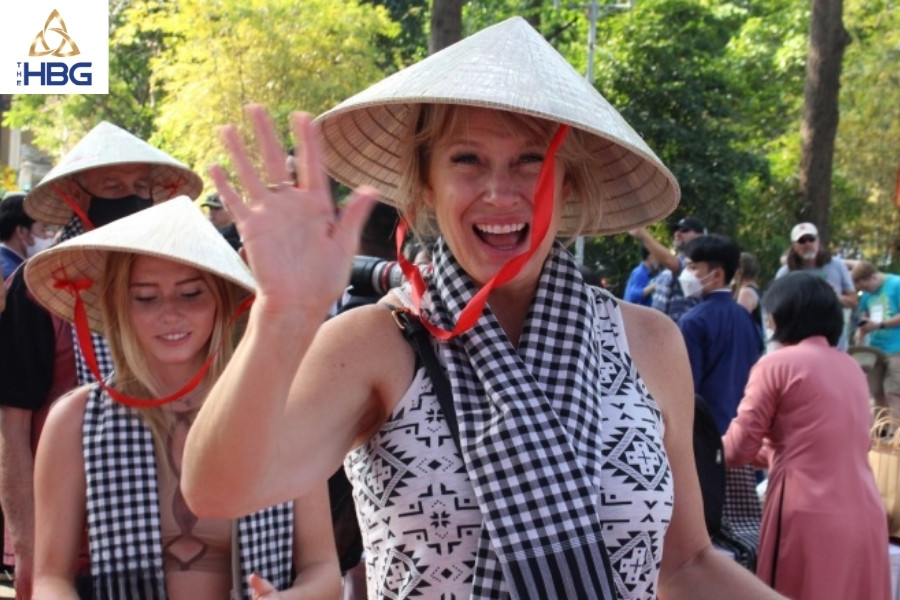
Preparing for heat, air quality, and mosquitoes helps travelers stay comfortable in Vietnam’s tropical climate.
Medical services and travel insurance
Medical services in Vietnam are better in major cities than in remote areas. Hanoi, Da Nang, and Ho Chi Minh City have public and private hospitals, and some facilities have English-speaking staff. In smaller towns, rural areas, or mountain regions, medical services may be more limited, so travelers should plan carefully if they have existing health conditions.
Travel insurance is strongly recommended. It can help cover medical treatment, delays, cancellations, lost luggage, and emergency support depending on the policy. Travelers should also carry essential medication, prescriptions, and a basic medical kit. If you need regular medication, bring enough for the entire trip and keep it in the original packaging.
Official travel guidance notes that some hospitals may require upfront payment and that medical staff may speak limited English, especially outside major facilities. This makes insurance, preparation, and reliable local assistance especially important.
HoaBinh Tourist, under The HBG Tourist – a brand within The HBG ecosystem, can support travelers with practical itinerary planning, reliable transportation, and local coordination, helping reduce stress when unexpected health or schedule issues arise during the trip.
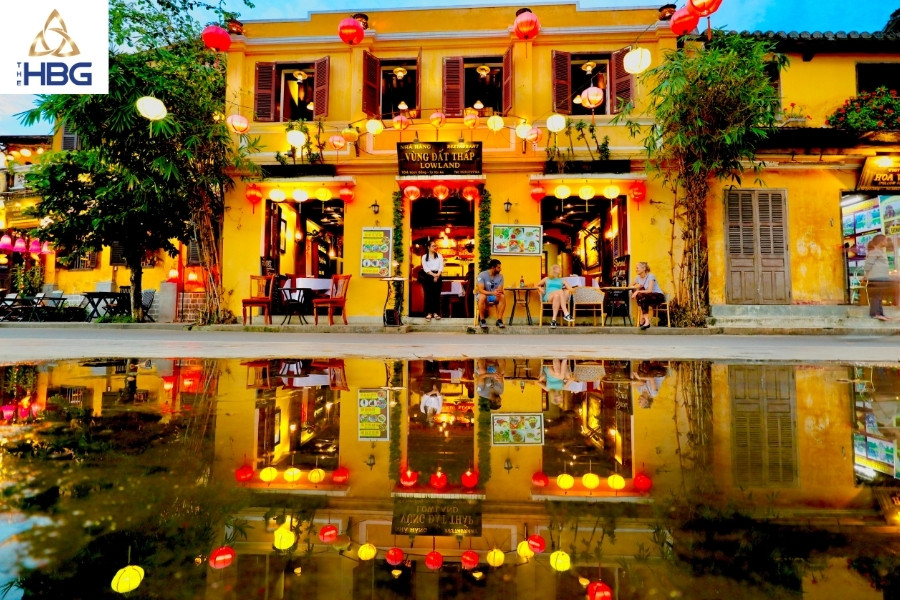
Travel insurance and basic medical preparation help visitors handle unexpected situations with greater confidence.
Local laws and cultural etiquette
Understanding local laws and cultural etiquette is an important part of traveling safely in Vietnam. Here are some key points to keep in mind:
Respecting local customs
Vietnamese culture values politeness, modesty, family respect, and calm behavior in public spaces. When visiting temples, pagodas, memorial sites, or cultural landmarks, travelers should dress appropriately, speak softly, and follow posted instructions. Covering shoulders and knees is commonly expected at religious and cultural sites, according to UK travel guidance.
Travelers should also be mindful when taking photos. Always ask before photographing people closely, especially in rural villages, markets, or spiritual spaces. At temples and pagodas, avoid touching religious objects, climbing on statues, or treating sacred places as casual photo backgrounds.
Small gestures can make a big difference. Learning a few Vietnamese phrases, greeting locals politely, and showing patience in busy places can make the trip warmer and more meaningful.
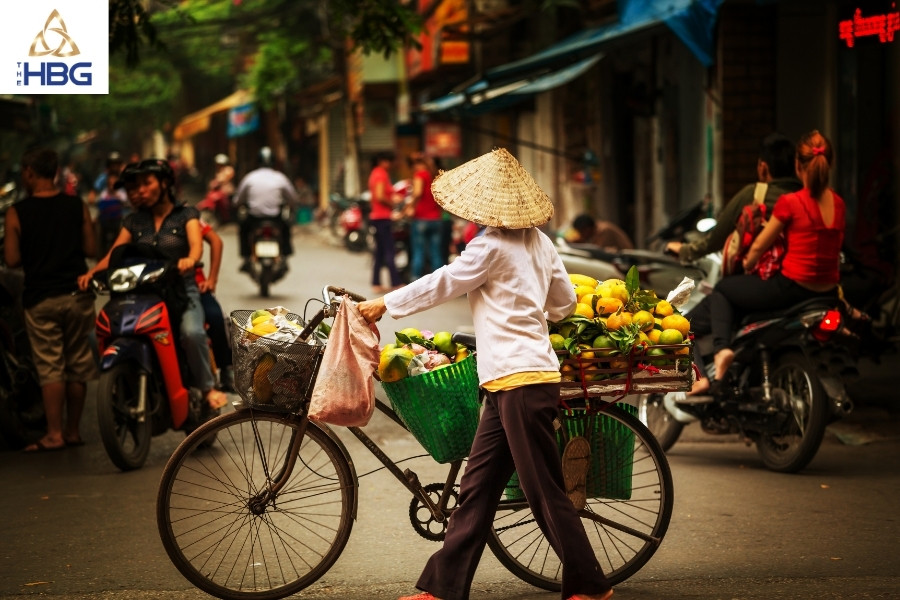
Respecting local customs helps travelers connect with Vietnam’s culture thoughtfully and positively.
Important laws visitors should know
Travelers should follow Vietnamese laws carefully, even when rules are different from those at home. Official guidance notes that visitors can face legal consequences if they break local laws, even unintentionally. Drug-related offences are treated very seriously, and travelers should never buy, carry, or use illegal substances in Vietnam.
There are also practical rules visitors should remember. Money should be exchanged only at official money exchange counters, and buying or trafficking protected wildlife products is illegal. Travelers should not take photos near military bases or restricted areas, and some border areas may require permission from local authorities.
Cash rules also matter. If entering or leaving Vietnam with more than VND 15 million or USD 5,000, travelers must declare it at customs. Visitors should keep passports, visa documents, and hotel information accessible, but should not use a passport as a deposit for rentals or services.
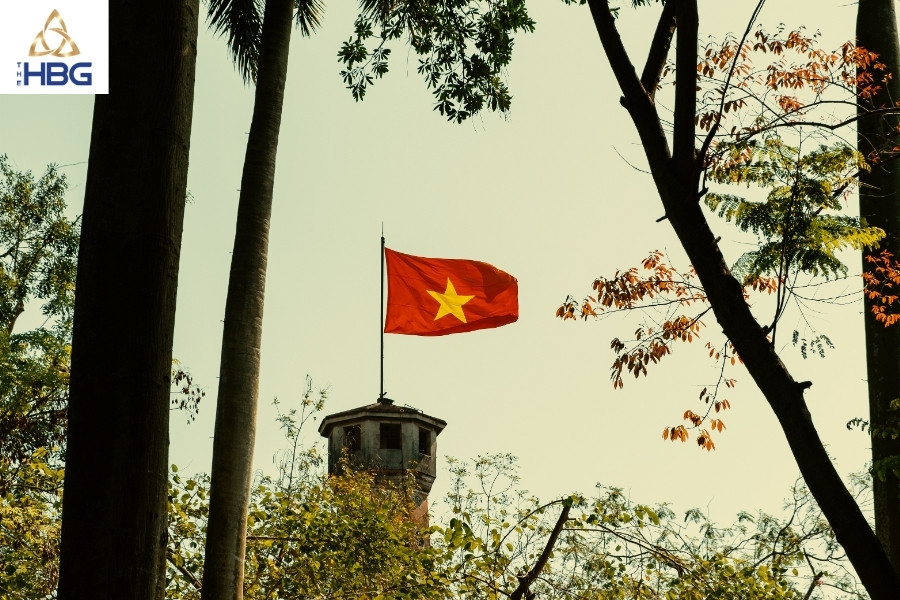
Understanding key local laws helps travelers avoid unnecessary legal trouble and move through Vietnam more safely.
Natural hazards and seasonal weather
Vietnam’s weather can change significantly by region, so seasonal planning is part of travel safety.
Rainy season and flooding
Vietnam’s rainy season varies by region. UK travel guidance notes that the rainy season usually runs from June to September in the north and south, and from October to December in central Vietnam. Seasonal flooding is common in central Vietnam in October and November, and can also occur around Hanoi and in parts of the Mekong Delta.
Flooding can disrupt overland travel, block roads, reduce essential services, and affect riverside or low-lying areas. Travelers planning trips to Hue, Hoi An, Da Nang, the Mekong Delta, or mountain regions during rainy periods should allow extra flexibility in their schedule.
Before traveling in the rainy season, check weather forecasts, avoid flooded areas, follow local authority advice, and keep important documents in waterproof protection. If your itinerary includes boats, trekking, caves, or rural roads, booking with a reliable local operator can help reduce weather-related risks.
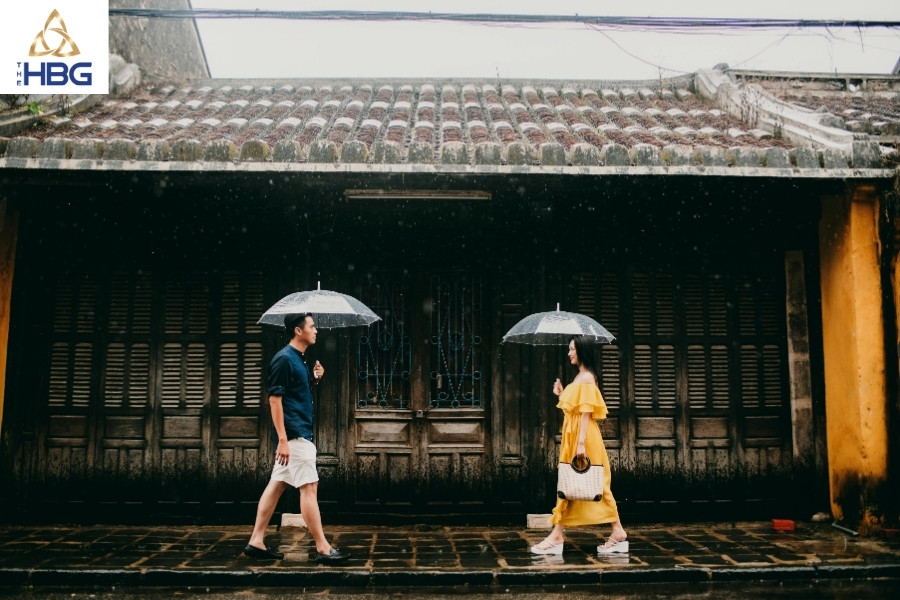
Rainy season travel in Vietnam can still be enjoyable when travelers allow flexibility and monitor local weather conditions.
Typhoons in coastal regions
Typhoons and tropical storms can affect Vietnam’s eastern coastal regions, bringing strong winds, heavy rain, flooding, and transport disruption. UK travel guidance notes that tropical cyclone season normally runs from May to November, although storms can occur outside this period.
Coastal Vietnam destinations such as Ha Long Bay, Da Nang, Hoi An, Nha Trang, Quy Nhon, and central beaches may be affected by storm warnings, rough seas, delayed cruises, flight changes, or temporary closures of outdoor activities. This does not mean travelers should avoid Vietnam’s coast entirely, but it does mean they should plan with awareness.
During storm season, choose flexible bookings when possible, follow local updates, and avoid going out during severe weather. Travelers should also keep emergency contacts for airlines, hotels, tour operators, and travel insurance providers.
Read more:
>> 18 Must-Try Traditional Foods in Vietnam for Every Traveler
>> Is Vietnam a good place to visit? Everything you should know before
Practical safety tips for visiting Vietnam
These tips are especially helpful for first-time visitors, families, senior travelers, and groups moving through multiple destinations.
Transportation safety
For transportation safety, choose licensed taxis, ride-hailing apps, hotel-arranged cars, reputable tourist buses, or private transfers. In large cities, traffic can feel intense, so travelers should avoid rushing across streets and use pedestrian crossings when available.
If renting a motorbike, check legal requirements, insurance coverage, helmet quality, and your own driving confidence. Official guidance warns that renting a moped or motorbike without the proper license can be illegal, and insurance may not cover medical bills after an accident.
For long-distance travel, avoid unclear operators and extremely cheap services with poor reviews. Families, senior travelers, and first-time visitors may feel safer with arranged transfers, especially on airport routes, mountain roads, or late-night arrivals. HoaBinh Tourist can help organize suitable transportation so travelers can focus more on the journey and less on logistics.
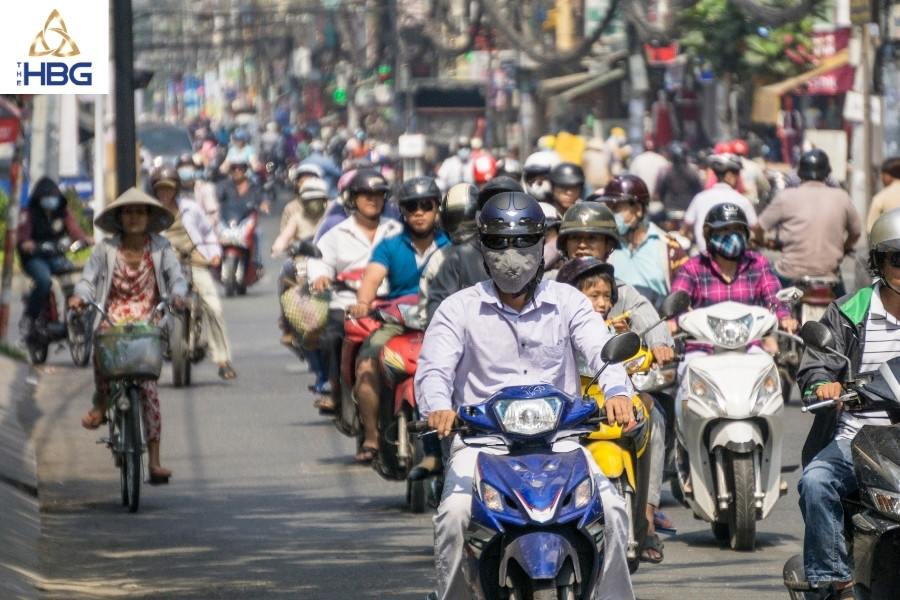
Reliable transportation choices make it easier to travel across Vietnam safely, comfortably, and on schedule.
Money, valuables, and digital payments
Travelers should carry a mix of payment options, including cash, bank cards, and digital payment tools where accepted. Cash is still useful for markets, small eateries, taxis, rural areas, and local shops, while cards are more common in hotels, malls, airports, and larger restaurants.
Keep valuables secure in crowded places. Use a crossbody bag, keep phones away from the street edge, and avoid showing large amounts of cash in public. Store passports, spare cards, and extra cash in a hotel safe when possible, and carry a copy of important documents during daily sightseeing.
When exchanging money, use official counters or banks, and check the rate before completing the transaction. Travelers carrying large cash amounts should also remember Vietnam’s declaration requirements for amounts above VND 15 million or USD 5,000 when entering or leaving the country.
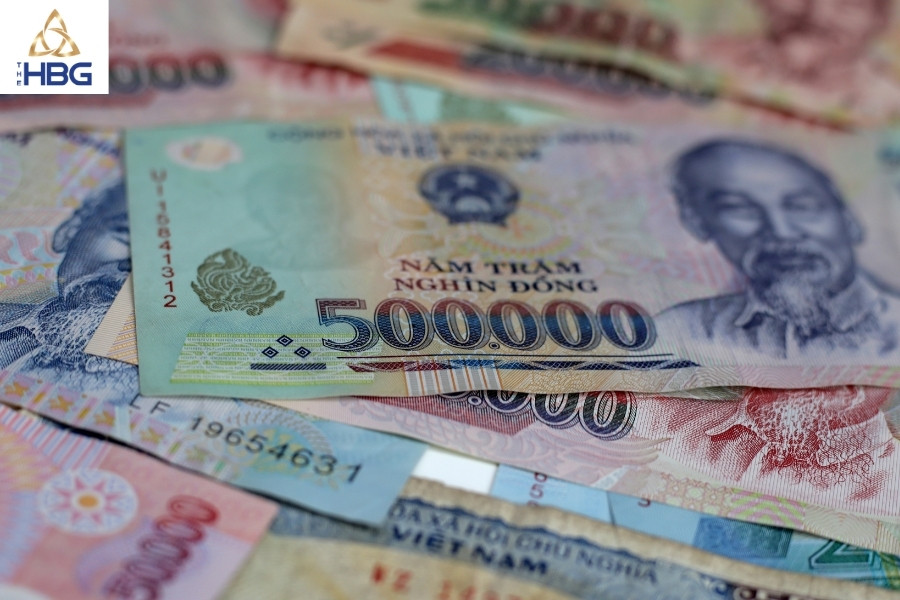
Smart money habits help travelers avoid loss, confusion, and unnecessary stress during their Vietnam trip.
Emergency contacts and useful apps
Before traveling, save important emergency numbers and contacts. Vietnam Tourism lists 113 for police, 114 for fire brigade, and 115 for ambulance. Travelers should also keep their hotel phone number, tour operator contact, travel insurance hotline, airline support, and embassy or consulate details in an easy-to-access place.
Useful apps can make daily travel easier. Map apps help with directions, translation apps support communication, weather apps help with route planning, and ride-hailing apps can reduce confusion around transport prices. Mobile internet is widely available in many destinations, and local SIM or eSIM options can help travelers stay connected.
For guided tours, airport transfers, multi-city routes, or family trips, having a local support contact is especially useful. HoaBinh Tourist can assist travelers with itinerary coordination, transport timing, hotel support, and practical advice during the journey.
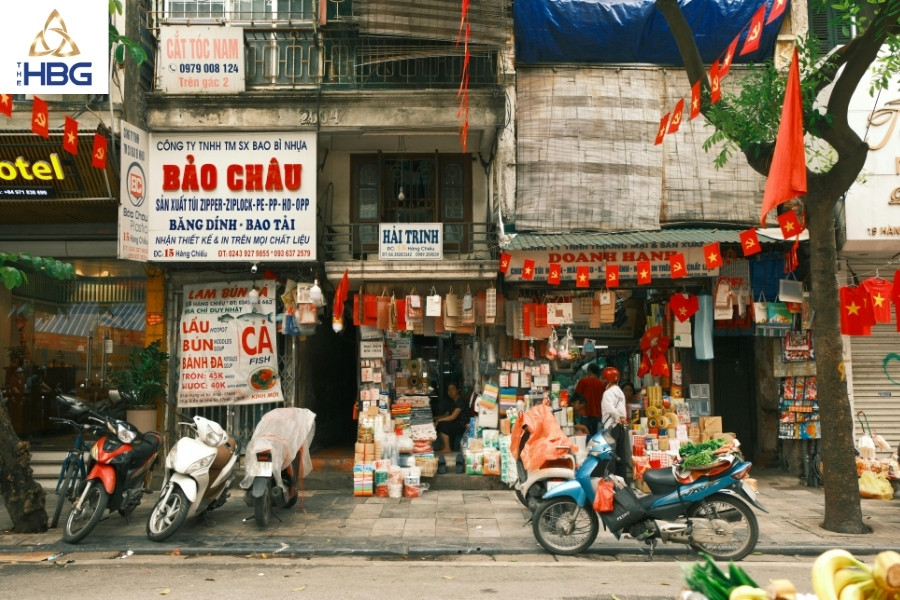
Emergency contacts and useful travel apps help visitors stay informed, connected, and better prepared throughout Vietnam.
Is Vietnam safe to visit?
For most travelers, Vietnam is generally a safe and rewarding destination when visitors follow basic precautions, plan realistic routes, choose reliable services, and stay aware of local conditions. The country offers rich culture, beautiful landscapes, delicious food, welcoming people, and an increasingly developed tourism network.
For travelers who want a smoother experience, HoaBinh Tourist can help design a safe and comfortable Vietnam itinerary based on your travel style, season, group size, and budget.
Whether you are visiting Vietnam for the first time or returning for a deeper journey, the right planning can turn safety concerns into confidence – and make your trip more relaxed, meaningful, and memorable.
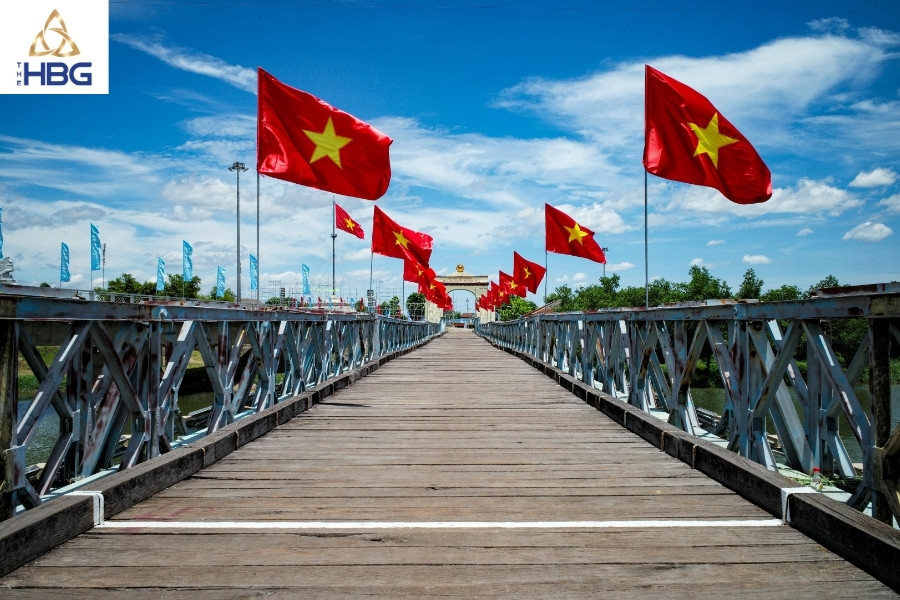
Vietnam is safe to visit for well-prepared travelers who choose trusted services, respect local rules, and plan their journey with care.