Vietnam cost is one of the first factors travelers consider when planning their 2026 holiday. While the country remains one of Southeast Asia’s best-value destinations, total expenses vary depending on your travel style, itinerary, accommodation, and activities. This guide explores the average Vietnam cost in 2026, helping you budget wisely and enjoy an unforgettable trip without unexpected expenses.
Is Vietnam Expensive to Visit?
Compared with many popular destinations in Asia and Europe, Vietnam remains an affordable country to explore in 2026. Whether you are a backpacker, a family, or a luxury traveler, the overall Vietnam cost is generally lower while the quality of experiences remains high. Accommodation, local transportation, dining, and guided tours offer excellent value for money.
Even premium services such as private transfers, boutique hotels, and luxury cruises are often much more affordable than in neighboring countries. Your total Vietnam cost will mainly depend on your travel style, the length of your stay, and the destinations you choose. With careful planning, Vietnam allows travelers to enjoy stunning landscapes, rich culture, and authentic cuisine without exceeding their budget.

How Much Does a Trip to Vietnam Cost?
Breakdown of Vietnam Travel Costs
Understanding where your money goes is the best way to estimate your total Vietnam cost. While prices vary depending on the season and travel style, the following categories represent the main expenses most visitors should include in their budget.
Flight costs
International flights are usually the largest part of the Vietnam cost. Prices depend on your departure city, airline, booking time, and travel season. Round-trip tickets from North America or Europe generally range from USD 700-1,500, while travelers from Australia or other Asian countries often pay USD 200-700. Booking several months in advance and traveling during the shoulder season can significantly reduce airfare.
Accommodation costs
Vietnam offers accommodation for every budget. Backpacker hostels start from USD 8-20 per night, while comfortable three-star hotels typically cost USD 35-70. Four- and five-star hotels range from USD 80-250, and luxury resorts or private villas may exceed USD 300 per night. Even upscale properties often provide great value compared with similar hotels in many other countries.
Food and drink prices
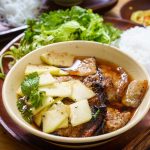
Food is one of the highlights of traveling in Vietnam and is surprisingly affordable. Street food meals such as pho, banh mi, or bun cha usually cost USD 2-5, while meals in mid-range restaurants range from USD 8-20 per person. Fine dining experiences generally start around USD 30-80. Coffee costs about USD 1-3, while local beer is often available for less than USD 2.

Food and drink prices in Vietnam
Transportation costs
Getting around Vietnam is relatively inexpensive. Ride-hailing services and taxis are affordable in major cities, with short trips usually costing USD 2-8. Domestic flights often range from USD 40-120, depending on the route and booking time. Overnight trains cost around USD 30-80, while long-distance buses remain the most economical option, typically priced between USD 10-30.
Attraction and activity fees
Many cultural attractions are budget-friendly. Entrance fees for temples, museums, and historical sites generally range from USD 2-10. Popular experiences such as a day cruise in Halong Bay, cooking classes, trekking tours, or excursions in the Mekong Delta usually cost between USD 30-150, depending on the duration and level of service.
SIM card and internet
Staying connected in Vietnam is inexpensive. Tourist SIM cards with generous data packages usually cost USD 5-15 and are available at airports, convenience stores, and mobile service shops. Most hotels, cafés, restaurants, and airports also provide free Wi-Fi, making internet access convenient throughout the country.
Miscellaneous expenses
Travelers should also budget for personal shopping, tips, laundry, travel insurance, and occasional souvenirs. Depending on your preferences, these additional expenses generally range from USD 10-50 per day. Setting aside a small contingency fund is also recommended for unexpected costs during your trip.
Vietnam Cost by Travel Style
Your daily Vietnam cost depends largely on the way you choose to travel. Some visitors focus on keeping expenses low, while others prefer greater comfort or affordable luxury. The following estimates can help you determine the budget that best matches your travel preferences.
Budget travelers
Your daily Vietnam cost depends largely on the way you choose to travel. Some visitors focus on keeping expenses low, while others prefer greater comfort or luxury experiences. The following estimates can help you determine the budget that best matches your travel preferences.
Budget travelers can comfortably explore Vietnam on USD 35-60 per person per day. This budget typically includes hostel accommodation or simple guesthouses, local street food, public transportation, and visits to affordable attractions.
Many of Vietnam’s most memorable experiences, such as exploring ancient towns, hiking through rice terraces, or sampling regional cuisine, require only modest spending. Overnight buses and trains also help reduce transportation costs for those traveling between destinations.
So, Vietnam remains one of the best-value countries in Southeast Asia for backpackers and independent travelers.
Mid-range travelers
A comfortable mid-range trip generally costs USD 80-180 per person per day. Travelers can stay in well-rated three- or four-star hotels, enjoy meals at quality local and international restaurants, use domestic flights or private transfers for longer journeys, and join guided day tours or cruises.
This budget provides a balance between affordability and convenience, making it the most popular choice for couples, families, and first-time visitors. It allows travelers to experience Vietnam comfortably while enjoying a wide variety of cultural, culinary, and natural attractions.

Hanoi - Ninh Binh - Halong - Ho Chi Minh City - Cu Chi - Mekong Delta
Tour Hanoi – Ninh Binh – Halong – Ho Chi Minh City – Cu Chi – Mekong Delta 7D6N
View Details
Hanoi - Halong Bay - Da Nang - Hoi An - Hue - Ho Chi Minh City - Mekong Delta
Tour Hanoi – Halong Bay – Da Nang – Hoi An – Hue – Ho Chi Minh City – Mekong Delta 14D13N
View Details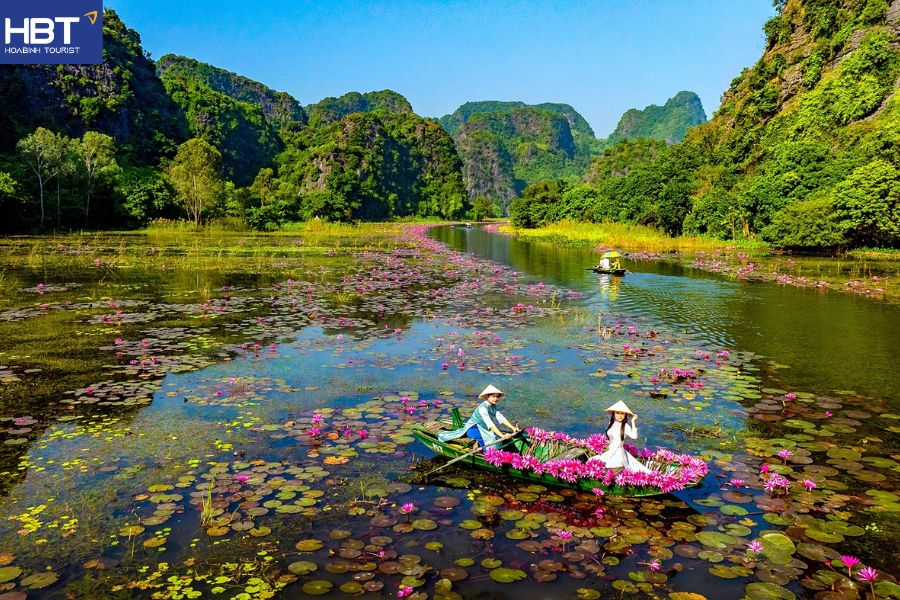
Saigon - Mekong Delta - Hanoi - Ninh Binh - Sapa - Ha Long Bay
Authentic Vietnam in 10D9N: From Sai Gon to Hanoi
View DetailsLuxury travelers
Luxury travelers should expect to spend USD 250-600+ per person per day, depending on their itinerary and preferred level of exclusivity. This budget covers five-star hotels, luxury beach resorts, private guides, chauffeur-driven transportation, premium restaurants, spa treatments, and exclusive experiences such as luxury Halong Bay cruises or tailor-made cultural excursions. Compared with many destinations in Europe, Japan, or North America, Vietnam offers exceptional luxury at a much more competitive price.

Luxury travel in Vietnam
Money-Saving Tips for Traveling in Vietnam
Traveling in Vietnam does not have to be expensive. With a few smart choices, you can reduce your overall Vietnam cost while still enjoying the country’s diverse landscapes, delicious cuisine, and cultural attractions.
- Travel during the shoulder season. Visiting between the peak tourist months often means lower airfares, hotel rates, and tour prices, while popular destinations are also less crowded.
- Book flights and accommodation early. Reserving your trip several months in advance usually provides better prices, especially for international flights and quality hotels.
- Choose local restaurants. Authentic Vietnamese eateries and street food stalls offer delicious meals at a fraction of the price of tourist-oriented restaurants.
- Use ride-hailing apps and public transportation. Services like Grab often provide more transparent and affordable fares than traditional taxis, while buses and trains are excellent options for longer journeys.
- Join package tours for major destinations. Multi-day tours or customized travel packages can combine accommodation, transportation, guides, and activities, often offering better overall value than booking each service separately.
- Carry some cash. Although credit cards are accepted in many hotels and larger restaurants, cash is still preferred in local markets, small cafés, and rural areas, helping you avoid unnecessary payment fees.
- Compare domestic flight prices. Vietnam has several airlines serving popular routes, so checking different schedules and booking early can help lower transportation costs throughout your trip.
Read more:
>> Do I need a visa to visit Vietnam? Visa requirements explained
>> Best time to visit Vietnam: A guideline for new travelers
>> A Complete Guide to Vietnam Culture, Traditions & Customs
Vietnam Currency and Payment
Understanding how payments work in Vietnam can help you manage your travel budget more efficiently. While modern payment methods are becoming increasingly common, cash still plays an important role, especially outside major cities and tourist areas.
Vietnamese dong (VND)
The official currency of Vietnam is the Vietnamese dong (VND). Banknotes are available in denominations ranging from 1,000 VND to 500,000 VND, although travelers will most commonly use 10,000 VND, 20,000 VND, 50,000 VND, 100,000 VND, 200,000 VND, and 500,000 VND notes. Since the currency uses large numbers, it may take a little time to become familiar with the denominations. Most prices are displayed in VND, and paying in the local currency usually offers the best value.

Vietnamese dong (VND)
Cash vs. credit cards
Cash is widely accepted throughout Vietnam and is the preferred payment method at local restaurants, street food stalls, markets, small shops, and many family-run businesses. Credit and debit cards are commonly accepted at hotels, shopping malls, upscale restaurants, and larger tour operators, particularly in cities such as Hanoi, Ho Chi Minh City, and Da Nang. Visa and Mastercard are the most widely accepted, although some businesses may charge a small transaction fee for card payments.
Currency exchange and ATMs
Exchanging money in Vietnam is straightforward. Foreign currencies can be exchanged at international airports, banks, licensed exchange counters, and many hotels. ATMs are widely available in cities and popular tourist destinations, allowing visitors to withdraw Vietnamese Dong using international bank cards. Before traveling, it is advisable to check your bank’s international withdrawal fees and notify your bank of your travel plans to avoid any issues with overseas transactions.
Conclusion
Planning your trip with a trusted local travel agency can help you maximize both your experience and your budget. HoaBinh Tourist offers customized Vietnam tours with carefully designed itineraries, experienced local guides, quality accommodation, private transportation, and dedicated support throughout your journey.
Whether you are traveling solo, as a couple, with family, or in a group, our team can create a tour that fits your interests and budget. Contact HoaBinh Tourist today at Hotline (+84) 939 311 911 or (+84) 913 311 911 to receive a personalized itinerary and a free quotation for your Vietnam holiday.