Choosing the best time to visit Vietnam can make your trip more enjoyable. With diverse climates across the country, each season offers unique experiences and destinations. This guide will help you decide when to visit Vietnam based on weather, regions, and your travel interests.
Best time to visit Vietnam by region
Vietnam stretches over 1,600 kilometers from north to south, so the weather can vary greatly between regions throughout the year.
Northern Vietnam
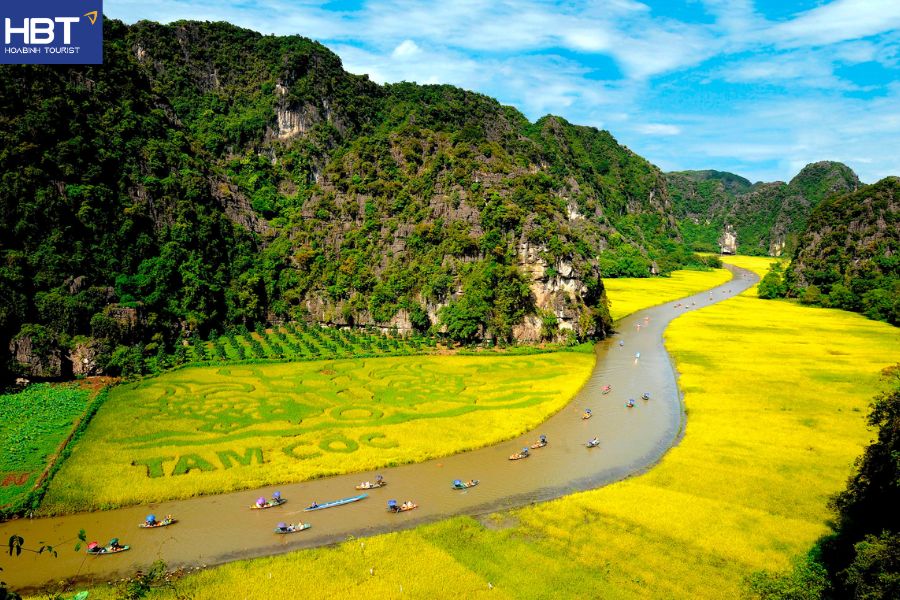
Northern Vietnam experiences four distinct seasons, making spring (March to April) and autumn (September to November) the best times to visit. During these months, temperatures are mild, rainfall is limited, and the skies are generally clear. These conditions are perfect for exploring Hanoi, cruising Ha Long Bay, or trekking through the mountain landscapes of Sapa and Ha Giang.
Hanoi – Sapa – Ninh Binh – Halong Cruises
Tour Hanoi – Sapa – Ninh Binh – Halong Cruises 7D6N
View Details
Hanoi - Ninh Binh - Halong - Da Nang - Hoi An
Tour Hanoi – Ninh Binh – Halong – Da Nang – Hoi An 6D5N
View DetailsSummer, from May to August, is typically hot and humid with occasional heavy rain, while winter, from December to February, can be surprisingly cold, especially in the mountains. Travelers looking for blooming flowers, colorful rice terraces, or misty scenery may also enjoy visiting during these seasons, depending on their travel interests.
Central Vietnam
The best time to visit Central Vietnam is generally between February and August, when sunny weather and calm seas create ideal conditions for sightseeing and beach holidays. Popular destinations such as Da Nang, Hoi An, Hue, and Nha Trang enjoy long periods of dry weather, making outdoor activities more comfortable.


From September to December, this region is more likely to experience heavy rainfall and occasional typhoons, particularly along the coast. If your itinerary focuses on Central Vietnam, planning your trip during the dry season will allow you to enjoy historic landmarks, cultural attractions, and beautiful beaches without frequent weather disruptions.

Best time to visit Central Vietnam
Southern Vietnam
Southern Vietnam has a tropical climate with only two seasons: the dry season from November to April and the rainy season from May to October. The dry months are widely considered the best time to visit, offering warm temperatures, abundant sunshine, and ideal conditions for exploring Ho Chi Minh City, the Mekong Delta, and Phu Quoc Island.
Although rain is common during the wet season, showers are usually brief and occur in the afternoon, allowing plenty of time for sightseeing. The rainy months also bring lush green landscapes, fewer crowds, and attractive travel deals, making this season a good option for flexible travelers.

Sai Gon - Cu Chi Tunnels - Mekong Delta
Tour Sai Gon – Cu Chi Tunnels – Mekong Delta 4 Days 3 Nights
View DetailsBest time to visit Vietnam by month
Each season offers different weather conditions and travel experiences, so choosing the right months depends on the destinations you plan to explore.

Hanoi - Halong Bay - Da Nang - Hoi An - Hue - Ho Chi Minh City - Mekong Delta
Tour Hanoi – Halong Bay – Da Nang – Hoi An – Hue – Ho Chi Minh City – Mekong Delta 14D13N
View Details
Hanoi - Ninh Binh - Halong - Ho Chi Minh City - Cu Chi - Mekong Delta
Tour Hanoi – Ninh Binh – Halong – Ho Chi Minh City – Cu Chi – Mekong Delta 7D6N
View DetailsJanuary to March
January to March is one of the best periods to visit Vietnam. Northern Vietnam enjoys cool and pleasant weather, making it ideal for exploring Hanoi, Ninh Binh, Ha Long Bay, and Sapa. Central Vietnam is sunny with comfortable temperatures, while Southern Vietnam remains warm and dry, perfect for beach holidays in Phu Quoc or the Mekong Delta. This period also includes the Lunar New Year, offering visitors a chance to experience Vietnam’s most important cultural celebration.
April to June
April to June bring warmer temperatures across the country. Northern Vietnam begins to experience summer, while Central Vietnam offers excellent beach weather with long sunny days. Southern Vietnam enters the early rainy season, but showers are usually short and followed by sunshine.
This is an ideal time for coastal destinations such as Da Nang, Hoi An, Nha Trang, and Phu Quoc, as well as for family vacations during the summer holiday season.

Ideal time for coastal destinations in Vietnam
July to September
July to September is the wettest period in many parts of Vietnam, especially in the south. Weather conditions still vary by region. Northern mountain areas become lush and green after frequent rainfall, while Central Vietnam generally remains favorable for travel in July and August before rainfall and the first tropical storms become more common toward September. Travelers should be aware that typhoons can occasionally affect the central and northern coast during this period. Despite the changing weather, visitors can enjoy fewer crowds, vibrant landscapes, and more competitive hotel rates.
October to December
October to December is another excellent time to visit Vietnam. Northern Vietnam welcomes cool autumn and early winter weather, creating perfect conditions for sightseeing and outdoor activities. Southern Vietnam gradually returns to the dry season with plenty of sunshine.
Although parts of Central Vietnam may still experience rain in October and November, December usually brings more stable weather. This season is especially popular with international visitors seeking pleasant temperatures and festive holiday travel.
Best time to visit Vietnam based on your travel style
The ideal time to visit Vietnam also depends on the experiences you want to enjoy during your journey.
Beach vacations
For beach lovers, the best time to visit Vietnam is generally from February to August. Destinations such as Da Nang, Nha Trang, Quy Nhon, and Phu Quoc enjoy warm temperatures, sunny skies, and calm waters during much of this period. These months are ideal for swimming, snorkeling, island hopping, and relaxing at luxury beachfront resorts.
Hiking and outdoor adventures
If trekking and nature are your priorities, visit Northern Vietnam between September and November or from March to April. Pleasant temperatures and clear skies make hiking in Sapa, Ha Giang, Cao Bang, and Pu Luong much more enjoyable, while the scenery ranges from green rice terraces to spectacular golden harvest landscapes.

Hiking in Vietnam
Sightseeing and cultural tours
Spring and autumn are excellent seasons for sightseeing across Vietnam. Comfortable weather allows visitors to explore historic cities such as Hanoi, Hue, and Hoi An, cruise through Ha Long Bay, or discover ancient temples and cultural landmarks without the intense summer heat or frequent rainfall.
Honeymoon and luxury travel
Couples planning a honeymoon or luxury vacation often choose the dry season from November to April. This period offers beautiful weather for romantic beach escapes, luxury cruises in Ha Long Bay, private tours, fine dining, and stays at premium resorts throughout Vietnam, creating ideal conditions for a memorable getaway.

Luxury and honeymoon in Vietnam
Peak season vs. low season of Vietnam travel
Vietnam’s peak travel season generally runs from November to April, when dry weather and comfortable temperatures attract visitors from around the world. During this period, popular destinations such as Hanoi, Ha Long Bay, Hoi An, Da Nang, Ho Chi Minh City, and Phu Quoc are at their busiest.
Travelers can expect excellent weather for sightseeing, beach holidays, and outdoor activities, but flights, hotels, and tours are often more expensive. Booking accommodation and transportation well in advance is recommended, especially during Christmas, New Year, and the Lunar New Year holiday.
The low season usually falls between May and October, with warmer temperatures and more frequent rainfall in many parts of the country. Although weather conditions can be less predictable, this period offers several advantages, including lower travel costs, attractive hotel promotions, and fewer crowds at major attractions.
For travelers seeking better value and a more relaxed experience, the low season can be an excellent time to explore Vietnam.
Festivals and special events worth planning around
Vietnam’s vibrant festivals offer visitors a unique opportunity to experience the country’s rich traditions, culture, and local life. The most important celebration is the Lunar New Year (Tet), usually held between late January and mid-February, when cities and villages are decorated with colorful flowers, traditional markets, and festive activities.
Other popular events include the Hue Festival, the Hoi An Lantern Festival, and the Mid-Autumn Festival, each showcasing distinctive cultural performances and local customs.
If you plan your trip around these celebrations, you can enjoy memorable cultural experiences that go beyond sightseeing. However, festivals also attract large numbers of domestic travelers, so flights, hotels, and transportation may become fully booked or more expensive. Planning your itinerary and making reservations early will help you enjoy the festivities while ensuring a smooth and comfortable journey.

Hue Festival
Conclusion
The best time to visit Vietnam ultimately depends on the destinations you want to explore and the experiences you are looking for.
At HoaBinh Tourist, we create customized Vietnam tours tailored to your travel dates, interests, and budget. From private guided journeys and family holidays to luxury vacations and multi-day itineraries, our experienced team is ready to help you plan the perfect trip at the ideal time of year. Contact us today at (+84) 939 311 911 – (+84) 913 311 911 to start designing your unforgettable Vietnam adventure.