If you’re asking yourself, “Is Vietnam a good place to visit?” the answer is yes. With its affordable travel costs, diverse landscapes, rich culture, delicious cuisine, and well-connected destinations, Vietnam offers something for every kind of traveler.
This guide helps you understand why to visit Vietnam, what to expect, how to plan wisely, and how HoaBinh Tourist can support you with suitable itineraries for couples, families, groups, and first-time visitors.
Is Vietnam worth visiting?
If you’re wondering whether Vietnam is worth visiting, the answer is yes. Below are the reasons:
Vietnam is worth visiting for travelers who want a rich, affordable, and flexible journey in Southeast Asia.
Who is Vietnam best suited for?
Vietnam is a great choice for travelers who enjoy culture, food, nature, and active local life. First-time visitors to Southeast Asia can find the country exciting but still manageable, especially when they follow a planned itinerary. Food lovers will enjoy local dishes such as pho, banh mi, bun cha, fresh seafood, and Vietnamese coffee. Nature lovers can explore mountains, rice fields, caves, bays, islands, and national parks.
Vietnam is also suitable for families, couples, solo travelers, corporate groups, and senior travelers if the route is planned properly. For example, families may prefer Da Nang, Hoi An, Phu Quoc, and Ha Long Bay because these destinations are easier to move around and have good tourism services. Young travelers may prefer Hanoi, Sapa, Ha Giang, Ho Chi Minh City, or the Mekong Delta for a more energetic and local experience.
If you’re wondering, “Is Vietnam a nice place to visit?”, the answer depends on your travel preferences. For those who enjoy warm hospitality, authentic Vietnamese culture, great food, and breathtaking landscapes, this is an excellent choice.
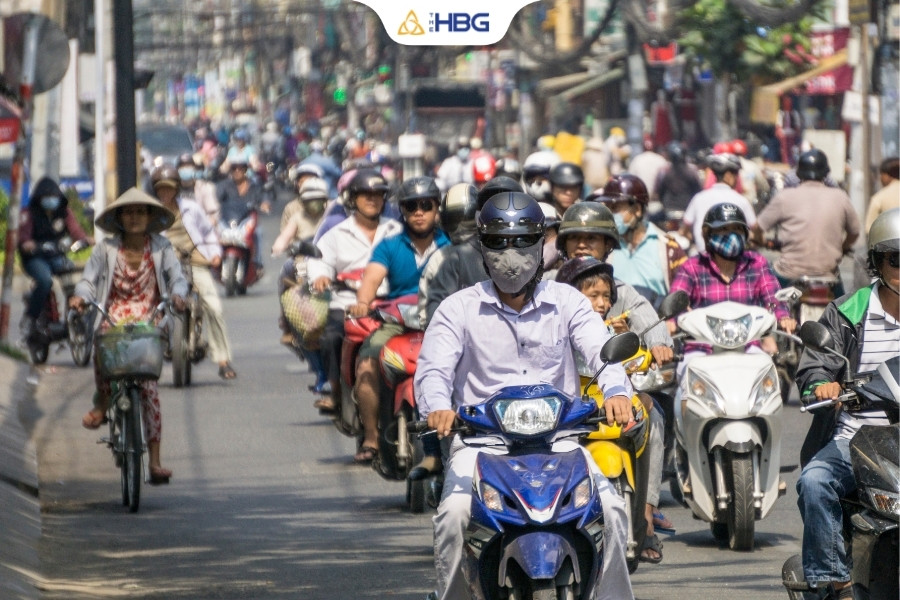
Vietnam is best suited for travelers who want culture, cuisine, nature, and flexible travel experiences in one trip.
What kind of traveler might not enjoy Vietnam?
Vietnam can be a wonderful destination for resort-style holidays, especially in places like Phu Quoc, Ha Long Bay, Quy Nhon, Da Nang, and Nha Trang. However, it may feel less suitable for travelers who expect every part of the country to be quiet, highly polished, and completely predictable.
Major cities such as Hanoi and Ho Chi Minh City can be busy, noisy, and fast-paced, especially for visitors who are not used to motorbike traffic. Some destinations also require long transfers, early departures, or flexible timing due to weather and road conditions.
Travelers who dislike heat, humidity, crowds, local markets, or changes in schedule may need to choose their route carefully. Vietnam is beautiful and rewarding, but the experience can vary greatly between cities, beaches, mountain areas, and rural destinations. The best approach is to understand the country before arrival, travel with realistic expectations, and choose destinations that match your comfort level.
So, can you visit Vietnam comfortably? Yes. The trip will be much smoother if you choose the right season, avoid overly packed schedules, and plan your route around the type of experience you truly want.

Vietnam may not suit travelers who expect a completely quiet, predictable, and resort-only travel experience.
What makes Vietnam a great travel destination?
Vietnam is considered one of Asia’s most rewarding destinations because it combines rich culture, spectacular scenery, affordable travel, and memorable local experiences. These strengths make it suitable for solo travelers, couples, families, and groups alike.
Incredible value for money
One of the strongest reasons to visit Vietnam is the value for money. Compared with many other destinations, Vietnam allows travelers to enjoy quality experiences at a reasonable cost. Meals can be delicious and affordable, domestic flights connect key cities, and accommodation ranges from budget homestays to luxury resorts.
This does not mean every trip to Vietnam is cheap. Premium cruises, private tours, luxury hotels, and remote adventures can cost more. However, the overall value remains strong because travelers can adjust the trip based on their budget.
With smart planning, you can spend less on basic logistics and invest more in meaningful experiences such as guided food tours, cultural visits, local workshops, or scenic cruises.
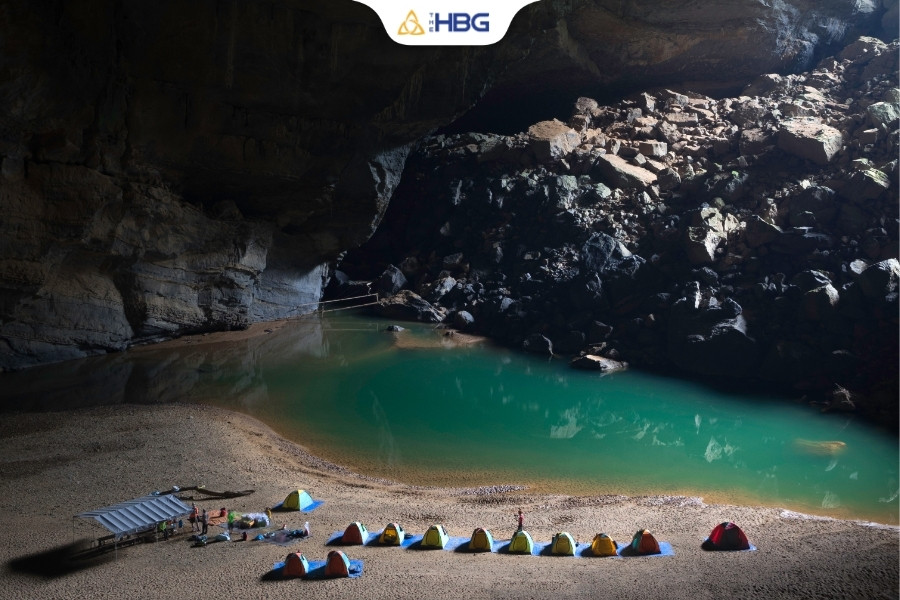
Vietnam offers strong value for money, allowing travelers to enjoy rich experiences at flexible price levels.
A wide variety of travel experiences
Vietnam is not a one-style destination because each region offers a different travel rhythm. Travelers can begin with slow cultural walks through Hanoi’s Old Quarter, enjoy a peaceful cruise in Ha Long Bay, cycle through the countryside of Ninh Binh, or take in mountain scenery in Sapa and Ha Giang.
In Central Vietnam, the journey can shift from royal heritage in Hue to lantern-lit evenings in Hoi An, cave adventures in Quang Binh, and beach relaxation in Da Nang, Quy Nhon, or Nha Trang.
Further south, Ho Chi Minh City brings modern energy, while the Mekong Delta and Phu Quoc offer river life, tropical landscapes, and resort-style escapes.
This variety is what makes Vietnam suitable for many types of travelers. Therefore, Vietnam can be shaped into a short getaway, a relaxed holiday, or a multi-region adventure without feeling limited to one travel style.
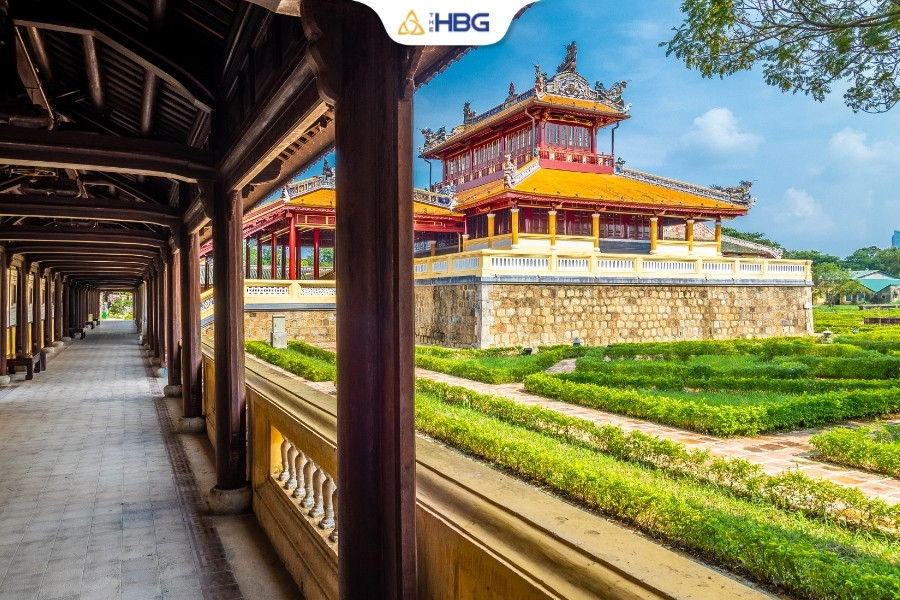
Vietnam offers many travel styles, from heritage journeys and food tours to beach holidays and outdoor adventures.
Easy to build an itinerary for any travel style
Vietnam also works well for private tours, group tours, incentive trips, family holidays, and short corporate getaways. The key is not to include too many destinations in a short time.
Vietnam is relatively easy to plan because many destinations can be grouped into convenient travel routes. In the north, Hanoi can be combined with Ha Long Bay, Ninh Binh, Sapa, or Ha Giang depending on the available time.
In Central Vietnam, Da Nang works as a practical base for visiting Hoi An, Hue, Ba Na Hills, and nearby beaches. In the south, Ho Chi Minh City can connect smoothly with the Mekong Delta, Cu Chi, Mui Ne, or Phu Quoc.
Vietnam also offers flexible transportation options, including domestic flights, trains, private cars, tourist buses, ferries, and short local transfers. This makes it possible to design a quick 4-5 day trip around one region, a relaxed 7-8 day holiday combining culture and beach time, or a 10-14 day journey covering the north, central region, and south. Instead of forcing one fixed travel style, Vietnam allows travelers to adjust the pace, comfort level, and route based on their schedule, budget, and interests.
Vietnam makes it easy to create a suitable itinerary for different budgets, travel styles, and group needs.
What can you experience in Vietnam?
One of the reasons Vietnam stands out as a travel destination is the variety of experiences it offers. From street food tours and cultural landmarks to mountain adventures, tropical islands, and vibrant cities, travelers can easily find activities that match their interests and travel style.
Food tours and local cuisine
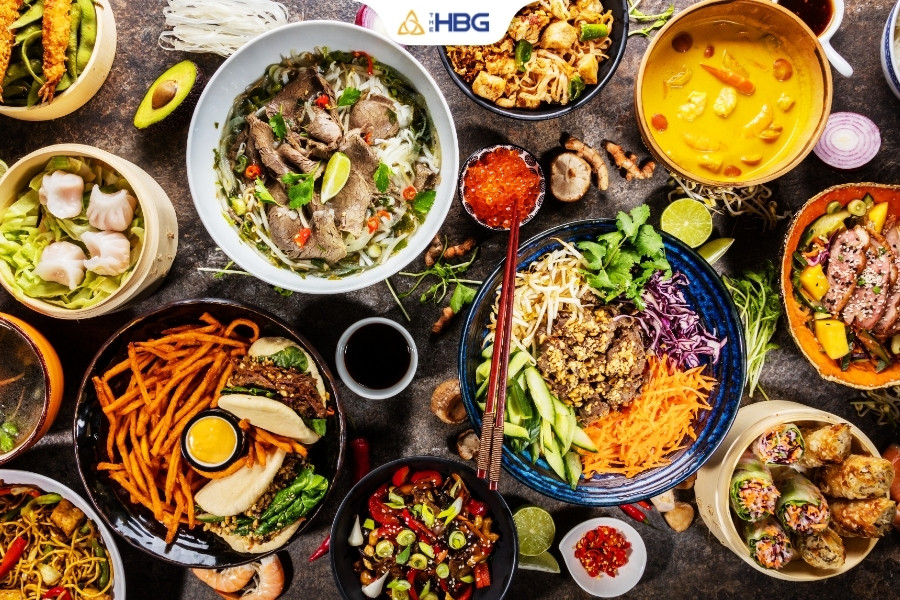
Vietnamese cuisine is fresh, flavorful, and easy to enjoy, even for first-time visitors. Popular dishes such as pho, banh mi, bun cha, cao lau, fresh spring rolls, seafood, and egg coffee are more than meals; they are part of the country’s identity.
A food tour is also a simple way to understand local life. In Hanoi, travelers can explore the Old Quarter through street food stops. In Hoi An, cooking classes and market visits are popular. In Ho Chi Minh City, evening food tours often combine local dishes with the energy of the city at night.

Food tours help travelers discover Vietnam through local flavors, street culture, and everyday dining habits.
Nature and outdoor adventures
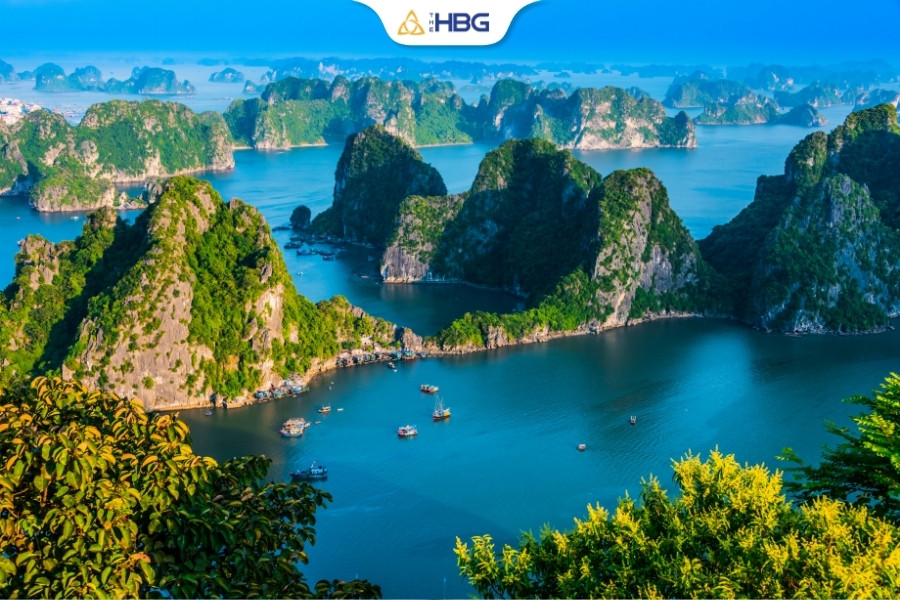
Vietnam is a strong destination for nature lovers. Ha Long Bay is famous for limestone islands and cruises, while Ninh Binh offers river landscapes and karst mountains. Sapa and Ha Giang attract travelers with terraced rice fields, mountain passes, and ethnic minority villages. Quang Binh is known for caves, national parks, and adventure routes.
Outdoor experiences can be gentle or challenging. Some travelers may choose a relaxing boat trip, a short countryside cycling route, or a cable car ride. Others may prefer trekking, caving, kayaking, or long mountain road journeys. This range of choices makes Vietnam appealing to both relaxed travelers and those seeking a more active adventure.
Vietnam’s nature experiences range from relaxing scenic trips to memorable outdoor adventures.
History and cultural discoveries
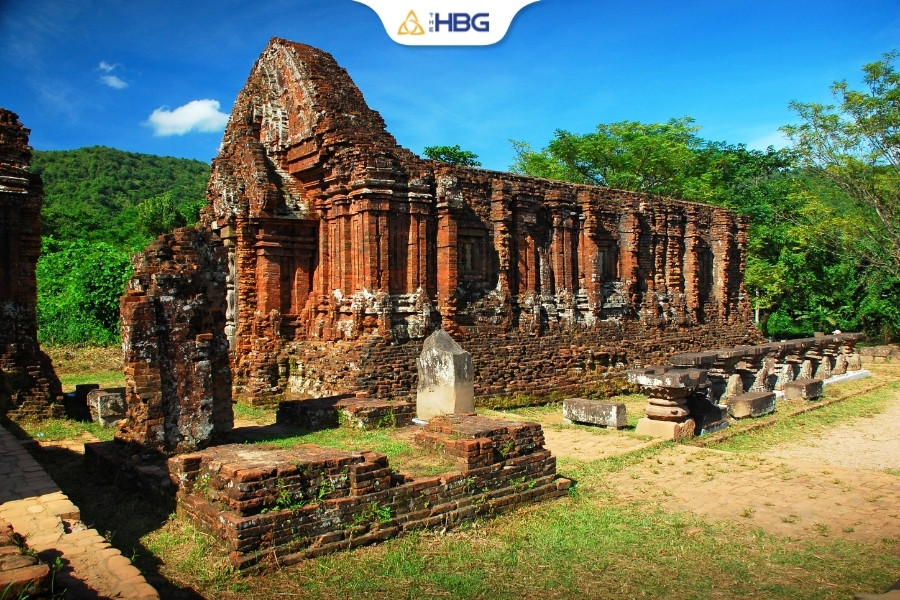
Vietnam has a long and layered history, which can be seen through temples, pagodas, old towns, citadels, museums, war sites, and traditional villages. Hanoi shows the charm of a thousand-year-old capital, Hue reflects the country’s royal past, and Hoi An preserves the atmosphere of an old trading port. In Ho Chi Minh City, visitors can learn more about modern history through museums, tunnels, and colonial-era landmarks.
Cultural experiences also include craft villages, water puppetry, local festivals, traditional music, and market visits. These activities help travelers see Vietnam beyond famous attractions and understand the people, values, and stories behind each destination.
Vietnam’s history and culture give travelers deeper insight into the country’s identity, resilience, and traditions.
Beaches, islands, and city breaks
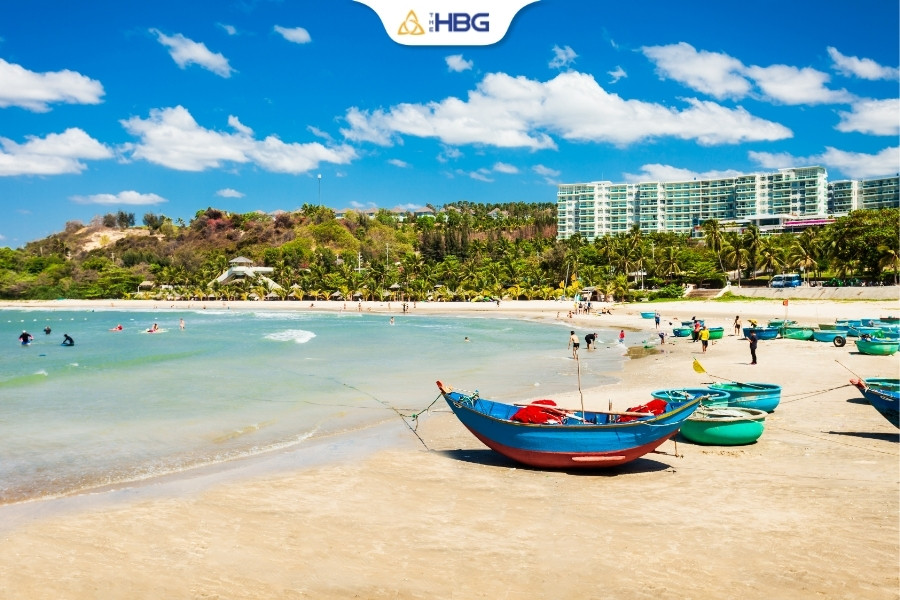
Vietnam is also a good choice for travelers who want to combine exploration with relaxation. Da Nang is popular for its beach, modern hotels, and easy access to Hoi An and Ba Na Hills. Nha Trang is known for coastal scenery and island activities. Phu Quoc is ideal for resort stays, seafood, sunset views, and family-friendly holidays.
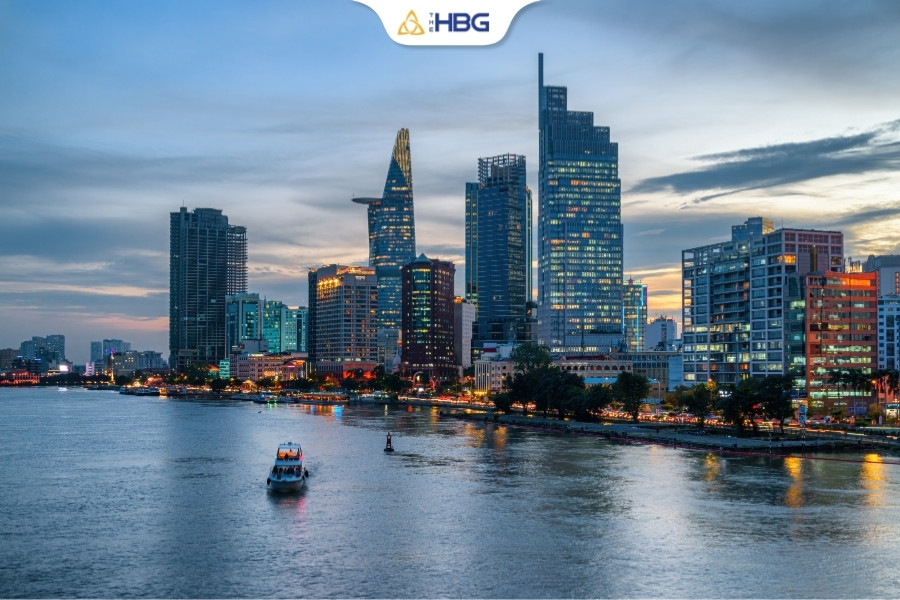
City breaks are another highlight. Hanoi is cultural and atmospheric, while Ho Chi Minh City is fast, modern, and full of energy. These cities work well as starting points or final stops in a Vietnam itinerary. Travelers can enjoy sightseeing, shopping, coffee, nightlife, and local food before moving to beaches, mountains, or heritage destinations.
Vietnam combines beaches, islands, and dynamic cities for travelers who want both relaxation and exploration.
Is Vietnam safe and easy to travel around?
Can you visit Vietnam comfortably as a first-time traveler? Yes. With a smart itinerary, trusted local support, and basic travel awareness, Vietnam can be both easy and enjoyable to explore.
Safety for solo and family travelers
Vietnam is generally a comfortable destination for both solo travelers and families, especially in major tourist areas where hotels, restaurants, transport services, and guided tours are widely available.
Solo travelers can move around with relative ease if they stay in central areas, use reliable taxis or ride-hailing apps, keep personal belongings close, and avoid isolated streets late at night. As in any busy destination, basic awareness is important, particularly in crowded markets, nightlife areas, and transport hubs.
For families, Vietnam can be safe and enjoyable when the itinerary is planned at a moderate pace. Destinations with good tourism infrastructure, such as Da Nang, Hoi An, Phu Quoc, Ha Long Bay, and Ninh Binh, are often easier for family travel because services are more accessible and activities can be adjusted to different ages.
The biggest safety concern for many visitors is not serious crime, but everyday travel situations such as heavy traffic, street crossing, weather changes, food sensitivity, or unclear service pricing. Choosing trusted transport, confirming costs in advance, and booking tours through reliable providers can help reduce stress and make the journey smoother.
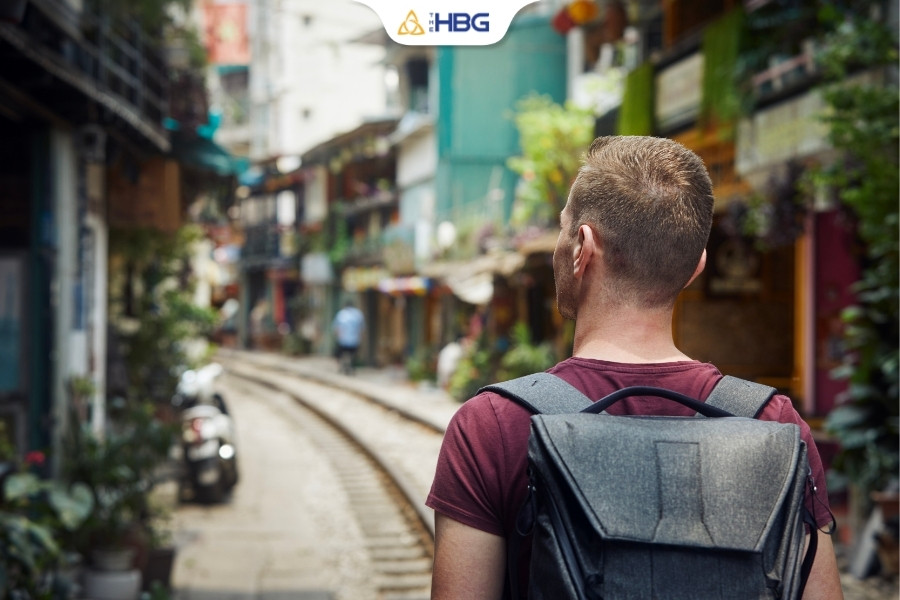
Vietnam is suitable for solo travelers and families when the itinerary is well-paced, practical, and easy to follow.
Transportation between destinations
Getting around Vietnam is generally manageable for international travelers, but safety and comfort depend on choosing the right transport for each route. Domestic flights are usually the safest and most efficient option for long distances such as Hanoi to Da Nang, Ho Chi Minh City to Phu Quoc, or Da Nang to Ho Chi Minh City. For shorter journeys, private cars, reputable tourist buses, and arranged transfers can offer better control over timing, luggage, rest stops, and pick-up locations.
Travelers should be cautious with unclear transport offers, very cheap long-distance bus tickets, or services that do not provide transparent schedules and contact details. Overnight buses and mountain routes can be convenient, but they may not suit families with young children, senior travelers, or visitors who prefer a more comfortable pace. In busy cities, ride-hailing apps, hotel-arranged taxis, or trusted private transfers are often easier and safer than negotiating with random drivers on the street.
The safest approach is to plan realistic travel times, confirm the vehicle type in advance, and avoid rushing between too many destinations in a short trip. For first-time visitors, families, and groups, HoaBinh Tourist of THE HOABINH TOURIST, a brand within The HBG ecosystem, can help suggest suitable tour packages, hotel categories, and transportation options based on your budget, group size, and preferred travel style.
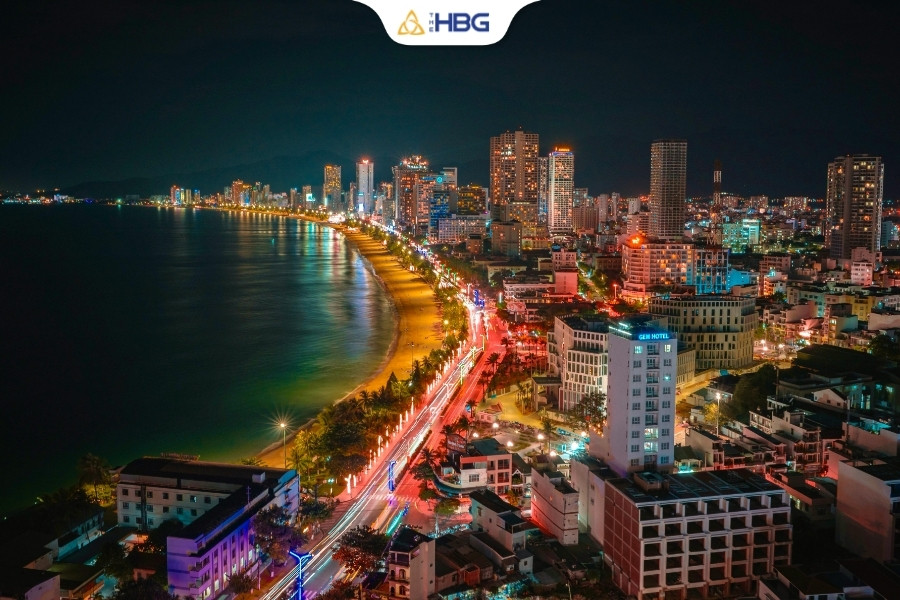
Vietnam offers many transport options, making it easy to connect cities, beaches, mountains, and cultural destinations.
Communication and tourist facilities
Communication in Vietnam is becoming easier for international travelers. In major cities and tourist hubs, many hotels, restaurants, airports, and tour services have English-speaking staff. SIM cards and eSIMs are affordable, and mobile internet is widely available, which helps travelers use maps, translation apps, ride-hailing services, and online payments more conveniently.
Tourist facilities have also improved in popular destinations. Visitors can find a wide range of hotels, guided tours, coffee shops, restaurants, spas, convenience stores, and travel desks. In more remote areas, services may be more limited, so it is better to prepare cash, book transport in advance, and travel with a guide if the route is unfamiliar.
For travelers asking if Vietnam is a nice place to visit, the answer is often shaped by how easy they feel during the trip. Good preparation, clear communication, and reliable local support can make the experience much more comfortable.
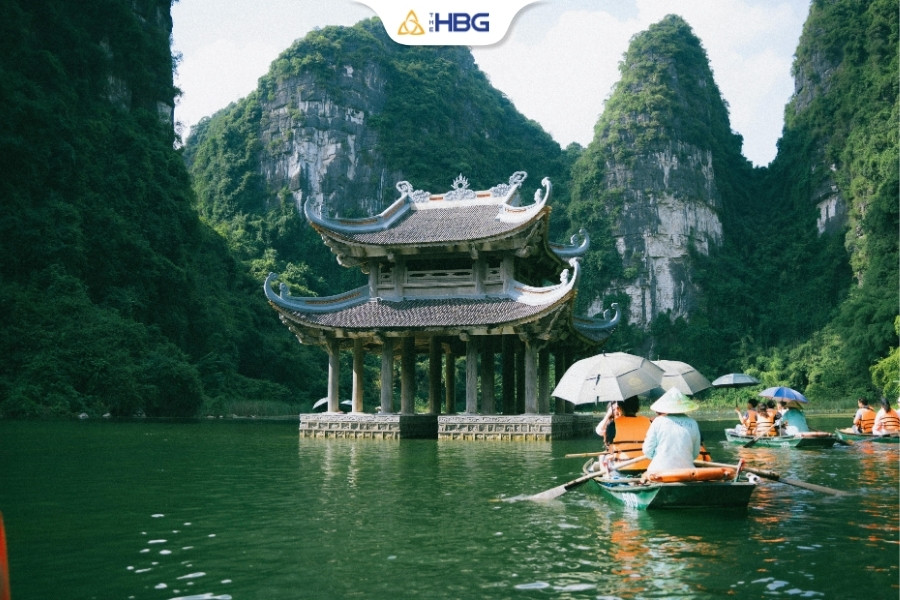
Good internet, growing tourist services, and helpful local support make Vietnam easier to explore than many first-time visitors expect.
Challenges you should expect before visiting Vietnam
Vietnam is beautiful, exciting, and full of character, but it is not a destination where everything always goes exactly as planned. Here are some notes:
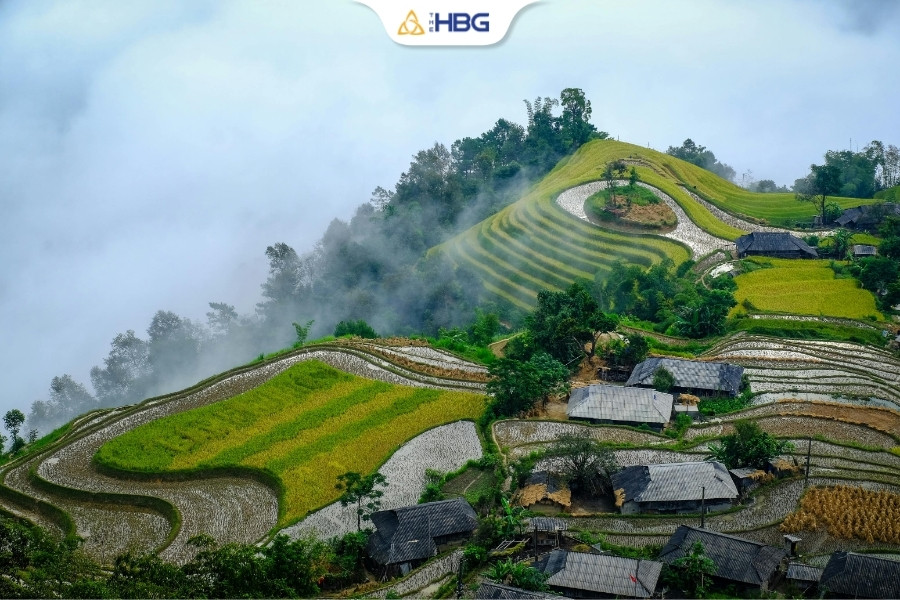
Understanding Vietnam’s common travel challenges helps visitors prepare better and enjoy the journey with more confidence.
Heavy traffic in major cities
Traffic is one of the first things travelers notice in Vietnam, especially in Hanoi and Ho Chi Minh City. Motorbikes move in large numbers, streets are busy, and crossing the road can feel overwhelming at first. For new visitors, this may be surprising, but it quickly becomes part of the local experience.
The best approach is to stay calm, follow pedestrian crossings when available, and avoid sudden movements when crossing smaller streets. For longer distances, use trusted taxis, ride-hailing apps, private cars, or arranged transfers instead of trying to navigate everything alone. Families, senior travelers, and larger groups may feel more comfortable with pre-booked transportation.
Traffic can also affect travel time, so it is wise to leave earlier for airports, train stations, tours, or dinner reservations.
Weather differs by region and season
Vietnam stretches from north to south, so the weather is not the same everywhere. The north has four seasons, with cool winters and hot summers. Central Vietnam can be affected by storms and heavy rain during certain months. The south is generally warm year-round, with dry and rainy seasons.
This regional difference means there is no single “perfect” time for every place in Vietnam. A good travel plan should match the destination with the right season. For example, travelers may choose northern Vietnam for cool mountain scenery, central Vietnam for heritage and beaches, or southern Vietnam for tropical islands and river experiences.
Weather can also affect cruises, island trips, trekking routes, and outdoor activities. Checking the season before booking helps avoid disappointment and makes the trip more enjoyable.
Tourist scams and common travel mistakes
Like many popular travel destinations, Vietnam has some common tourist mistakes that visitors should avoid. These may include overpaying for taxis, booking unclear tour packages, exchanging money at unreliable places, ignoring travel time between destinations, or choosing restaurants and shops without checking prices first.
Travelers can reduce these risks by using trusted services, confirming prices in advance, reading reviews, keeping important belongings safe, and avoiding offers that seem too good to be true. It is also helpful to book tours, transfers, and hotels through reputable travel companies, especially for first-time visitors or groups.
A smooth trip is often the result of simple preparation. When the basics are handled well, travelers can spend more time enjoying food, culture, landscapes, and local life.
How much does a trip to Vietnam cost?
The cost of a Vietnam trip depends on travel style, destination, season, hotel category, and how many regions you want to visit. As a general estimate, budget travelers can plan around USD 25-40 per person per day, mid-range travelers may spend around USD 50-100 per day, while premium or luxury trips can start from USD 150-200+ per day, excluding international flights. These ranges are consistent with current Vietnam travel budget references, though actual prices may change by season and service level.
For accommodation, simple hostels, guesthouses, or local homestays may start from around USD 8-25 per night, while comfortable mid-range hotels often fall between USD 30-80 per night. Beach resorts, boutique stays, and five-star hotels in destinations such as Da Nang, Phu Quoc, Nha Trang, or Ha Long Bay may start from around USD 120 per night and increase during peak seasons.
For food and drinks, Vietnam offers excellent value. Street food and casual local meals can cost around USD 1-5 per meal, while meals at nicer restaurants may range from USD 8-20+ per person. Coffee, fresh juices, and local snacks are usually affordable, making it easy for travelers to enjoy Vietnamese cuisine without spending too much.
For transportation, local taxis, ride-hailing services, and short transfers are generally budget-friendly, while domestic flights, private cars, sleeper trains, and intercity buses depend on distance and comfort level. A short city transfer may cost only a few dollars, while domestic flights between major cities can vary widely depending on booking time and season. Travelers visiting multiple regions should set aside a separate transport budget instead of only calculating daily spending.
For entrance tickets and activities, small museums, temples, old houses, and cultural sites are often low-cost. However, premium experiences such as Ha Long Bay cruises, guided day tours, cooking classes, island trips, cave tours, or private excursions will increase the total budget. Travelers should also prepare extra money for SIM cards, travel insurance, laundry, tips, souvenirs, airport transfers, and unexpected schedule changes.
In short, Vietnam remains a destination with strong value for money. Travelers can keep the trip simple and affordable, or upgrade selected parts such as hotels, cruises, private guides, and beach resorts for more comfort.
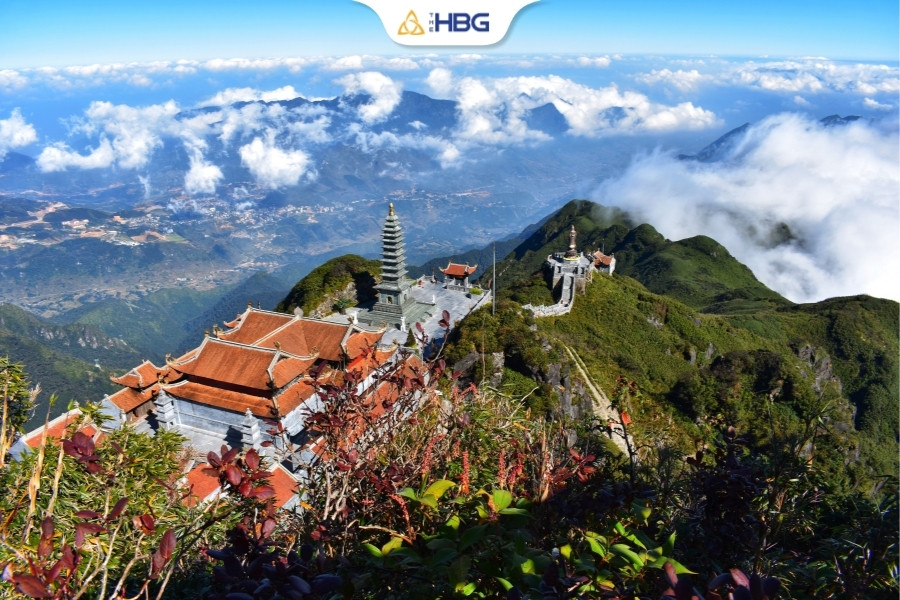
Vietnam offers flexible travel costs, making it possible to plan anything from a budget-friendly holiday to a premium private journey.
When is the best time to visit Vietnam?
The best time to visit Vietnam depends on where you want to go. For northern destinations such as Hanoi, Ninh Binh, Ha Long Bay, Sapa, and Ha Giang, spring and autumn are often pleasant because the weather is cooler and more comfortable. For central Vietnam, months with less rain are better for exploring Hue, Da Nang, Hoi An, and Quang Binh. For southern Vietnam and Phu Quoc, the dry season is usually more convenient for island trips and outdoor activities.
If you plan to visit many regions in one journey, choose the route carefully instead of chasing perfect weather everywhere. A well-balanced itinerary can still work even when one region has occasional rain. In some cases, traveling outside peak season can also mean fewer crowds, better prices, and a more relaxed experience.
The best time is not only about weather. It also depends on your travel goals. Beach lovers, photographers, food travelers, families, and cultural explorers may all prefer different seasons. This is why a local tour consultant can help you choose the most suitable time for your specific plan.
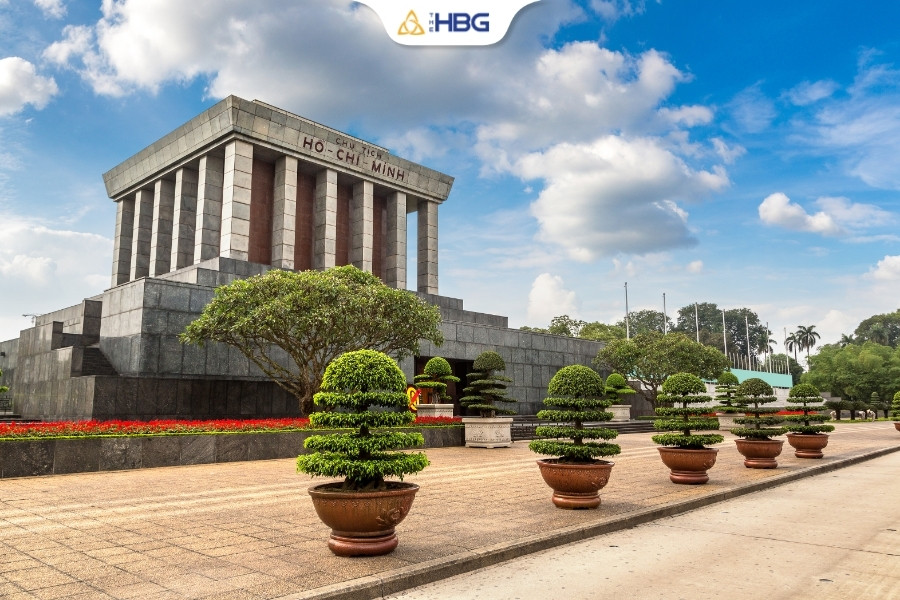
The best time to visit Vietnam depends on your route, travel style, and the experiences you want most.
Final answer: Is Vietnam a good place to visit?
Yes, ‘Is Vietnam a good place to visit?’ is an easy question to answer. Vietnam is worth visiting because it offers strong value, diverse landscapes, memorable food, rich culture, friendly people, and many ways to travel. You can enjoy a short holiday, a family vacation, a cultural route, a beach escape, or a longer journey across the country.
Still, the best Vietnam trip is not about visiting as many places as possible. It is about choosing the right route, pacing the journey well, preparing for local differences, and focusing on the experiences that matter to you. With the right plan, Vietnam can be exciting without feeling overwhelming, affordable without feeling basic, and cultural without being difficult to enjoy.
If you’re planning your first trip to Vietnam, HoaBinh Tourist can help you build an itinerary that matches your travel style, budget, and schedule. With local knowledge, flexible tour options, hotel and transport support, guided experiences, and carefully designed itineraries, HoaBinh Tourist helps travelers discover Vietnam in a smoother and more meaningful way.