Vietnamese culture is a fascinating blend of ancient traditions, regional diversity, and modern influences shaped over thousands of years. Family values, religious beliefs, colorful festivals, distinctive cuisine, and enduring customs all reflect the country’s rich heritage. Learning about Vietnamese culture helps travelers gain a deeper appreciation of local life, build meaningful connections with the people, and enjoy a more authentic experience while exploring Vietnam.
What Makes Vietnamese Culture Unique?
Vietnamese culture reflects thousands of years of history, blending indigenous traditions, regional diversity, and influences from neighboring civilizations into a unique national identity.
Family Values and Social Etiquette
Family is the foundation of Vietnamese society. Respect for parents, grandparents, and elders is deeply rooted in everyday life and shapes the way people communicate and make important decisions. Many families maintain close relationships across generations, and family gatherings remain an essential part of major celebrations.
Social etiquette emphasizes politeness, humility, and consideration for others. Greetings are often accompanied by a smile or slight nod, while younger people are expected to show respect through appropriate language and behavior. Visitors who dress modestly, remove their shoes when entering a home, and accept hospitality graciously are generally welcomed with warmth.

Vietnamese Culture
Religions and Beliefs in Vietnam
Vietnam is home to a rich blend of religions and spiritual traditions. Buddhism has the greatest influence, alongside Confucianism and Taoism, which have shaped moral values, education, and family life for centuries. Catholicism, Protestantism, Cao Dai, and Hoa Hao also contribute to the country’s diverse religious landscape.
Ancestor worship remains one of the most important cultural practices regardless of religious affiliation. Many homes feature ancestral altars where families offer incense, flowers, and food during special occasions. This tradition reflects respect for previous generations and the belief that ancestors continue to watch over their descendants.
Traditional Festivals and Celebrations
Vietnam celebrates numerous festivals throughout the year, each reflecting local customs, history, and religious beliefs. The most significant is Tet (Vietnamese Lunar New Year), when families reunite, honor their ancestors, decorate their homes, and welcome good fortune for the coming year.
Other popular celebrations include the Mid-Autumn Festival, Hung Kings Festival, and regional temple festivals. These events feature colorful decorations, traditional games, folk performances, dragon dances, and local cuisine. Festivals provide visitors with a wonderful opportunity to experience Vietnamese hospitality and cultural traditions firsthand.

Hung Kings Festival
Traditional Clothing (Ao Dai and Ethnic Costumes)
The Ao Dai is Vietnam’s most recognizable traditional costume, admired for its graceful silhouette and timeless elegance. Worn on formal occasions, school ceremonies, weddings, and national celebrations, it symbolizes beauty, dignity, and national pride while remaining popular in modern fashion.
Beyond the Ao Dai, Vietnam’s 54 ethnic groups preserve their own distinctive traditional attire. Handmade garments often feature intricate embroidery, woven patterns, silver jewelry, and vibrant colors that represent local identity. These costumes continue to play an important role during festivals, cultural performances, and community celebrations.
Vietnamese Cuisine and Dining Culture
Vietnamese cuisine is known for its balance of fresh herbs, vegetables, rice, seafood, and flavorful seasonings. Popular dishes such as pho, banh mi, bun cha, and fresh spring rolls showcase regional ingredients while highlighting the harmony between sweet, sour, salty, and savory flavors.
Dining is often a shared experience centered around family and community. Meals are commonly served with multiple dishes placed in the middle of the table for everyone to enjoy together. Hospitality is highly valued, and inviting guests to share food is considered a meaningful way to express friendship and respect.

Vietnamese Cuisine
Traditional Arts and Performing Arts
Vietnam has preserved many traditional performing arts that reflect its long cultural history. Water puppetry is perhaps the country’s most famous art form, combining storytelling, music, and skilled puppeteering to depict scenes from rural life, legends, and historical events.
Other traditional performances include cheo, tuong, cai luong, and court music from Hue. These art forms feature elaborate costumes, expressive singing, and live instrumental accompaniment. Today, they continue to be performed at theaters, festivals, and cultural centers, helping preserve Vietnam’s artistic heritage for future generations.
Literature, Music, and Folk Heritage
Vietnamese literature spans centuries, from ancient poetry and historical chronicles to modern novels and contemporary works. Many classic stories explore themes of patriotism, family devotion, perseverance, and respect for moral values that continue to influence Vietnamese society today.
Folk music remains an important expression of regional identity. Musical traditions such as Quan Ho, Ca Tru, Don Ca Tai Tu, and Hue royal court music have been passed down through generations. Together with legends, proverbs, and folk tales, they preserve the country’s cultural memory and local traditions.

Hue Royal Court Music
Architecture and Historical Heritage
Vietnam’s architecture reflects the country’s diverse history, combining indigenous designs with influences from China, France, and neighboring Southeast Asian cultures. Ancient temples, pagodas, communal houses, imperial palaces, and colonial buildings all contribute to the nation’s distinctive architectural landscape.
Many historical sites have been carefully preserved, including ancient towns, royal citadels, and archaeological landmarks. These places offer valuable insights into Vietnam’s political, religious, and cultural development while attracting travelers interested in exploring the country’s rich heritage and architectural beauty.
Traditional Handicrafts and Local Crafts
Traditional handicrafts have been passed down through generations in villages across Vietnam. Skilled artisans continue to produce ceramics, silk, lacquerware, bamboo products, wood carvings, and embroidered textiles using techniques that preserve centuries of craftsmanship.
Many craft villages welcome visitors who wish to observe artisans at work and learn about traditional production methods. Purchasing locally made handicrafts not only supports local communities but also helps preserve cultural heritage while providing meaningful souvenirs that reflect Vietnam’s artistic traditions.

Traditional Handicrafts and Local Crafts
Vietnam’s 54 Ethnic Groups and Cultural Diversity
Vietnam is home to 54 officially recognized ethnic groups, each contributing unique languages, customs, clothing, architecture, music, and festivals. While the Kinh people form the majority of the population, ethnic minority communities enrich the country’s remarkable cultural diversity.
Many minority groups live in mountainous regions, the Central Highlands, and remote rural areas where traditional lifestyles remain well preserved. Visitors can experience authentic local culture through homestays, traditional markets, handicrafts, seasonal festivals, and community-based tourism that celebrates Vietnam’s multicultural heritage.
Hanoi - Ninh Binh - Halong - Ho Chi Minh City - Cu Chi - Mekong Delta
Tour Hanoi – Ninh Binh – Halong – Ho Chi Minh City – Cu Chi – Mekong Delta 7D6N
View Details
Hanoi - Halong Bay - Da Nang - Hoi An - Hue - Ho Chi Minh City - Mekong Delta
Tour Hanoi – Halong Bay – Da Nang – Hoi An – Hue – Ho Chi Minh City – Mekong Delta 14D13N
View Details
Saigon - Mekong Delta - Hanoi - Ninh Binh - Sapa - Ha Long Bay
Authentic Vietnam in 10D9N: From Sai Gon to Hanoi
View DetailsVietnamese Customs and Etiquette Every Traveler Should Know
Understanding a few local customs will help you show respect, avoid cultural misunderstandings, and enjoy warmer interactions with Vietnamese people throughout your journey.
Greetings and Basic Social Manners
Vietnamese people are generally friendly, polite, and modest in daily interactions. A smile, a slight nod, or a gentle handshake is the most common way to greet someone, especially in business or formal situations. Among friends and family, greetings are often more relaxed, while elders are greeted with extra respect.
Addressing people correctly is also important because Vietnamese uses family-style pronouns based on age and relationship. Visitors are not expected to master these terms, but speaking politely and using simple greetings such as “Xin chào” is always appreciated. Public displays of anger or loud confrontations are generally avoided, as maintaining harmony and saving face remain important cultural values.
Temple and Religious Etiquette
Vietnam is home to thousands of temples, pagodas, churches, and sacred sites that continue to play an important role in community life. Visitors are welcome at most religious places, but respectful behavior is expected at all times.
Dress modestly by covering your shoulders and knees, remove hats before entering prayer areas, and speak quietly while inside. In many temples, visitors should avoid touching religious statues, pointing their feet toward altars, or interrupting people who are praying. If you wish to take photographs, check for signs or ask permission first, as photography may be restricted in certain sacred spaces.

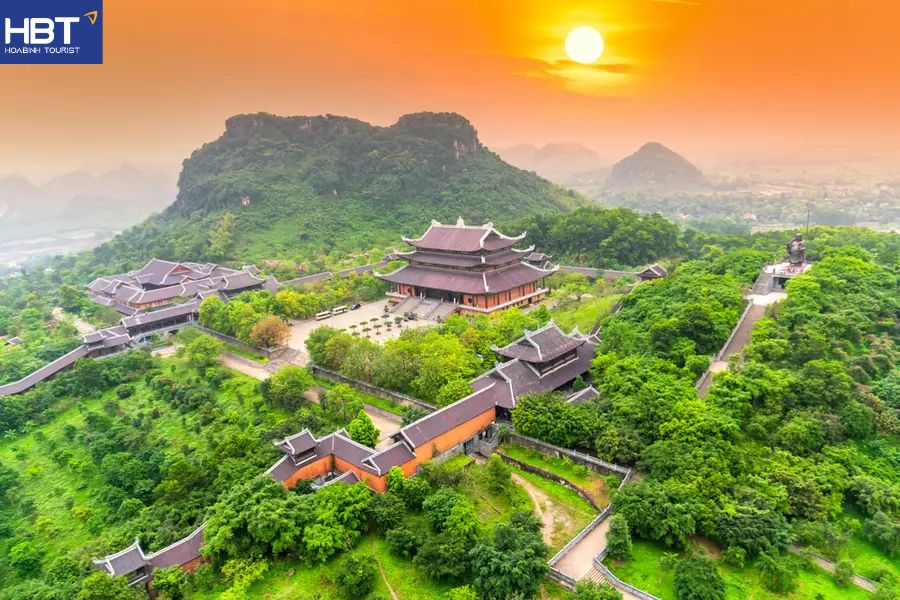
Bai Dinh Pagoda
Dining Etiquette in Vietnam
Meals in Vietnam are highly social and are meant to be shared. Instead of ordering individual dishes, families and groups usually place several plates in the center of the table so everyone can enjoy a variety of flavors together. Sharing food reflects togetherness and hospitality.
Chopsticks are the primary utensils, and there are a few simple customs worth remembering. Avoid sticking chopsticks upright in a bowl of rice, as this resembles offerings made at funerals.
When dining with locals, it is polite to wait for the eldest person to begin eating before you start. If someone offers you food, accepting it with gratitude is considered a kind gesture, even if you only take a small portion.
Gift-Giving Customs
Gift-giving is a meaningful way to express appreciation, celebrate special occasions, or strengthen relationships in Vietnam. Small gifts are commonly exchanged during Tet, weddings, birthdays, housewarming parties, and business meetings.
Practical or locally made gifts are often well received. Items are usually presented with both hands as a sign of respect, and recipients may choose not to open the gift immediately to avoid appearing impatient or overly eager. While expensive gifts are not expected, thoughtful gestures and sincere intentions are valued far more than the gift itself.
Best Places to Experience Vietnamese Culture
Vietnam’s cultural heritage comes alive in every region, offering travelers countless opportunities to experience traditions, history, architecture, cuisine, and local lifestyles firsthand.
Hanoi
As Vietnam’s thousand-year-old capital, Hanoi offers one of the country’s richest cultural experiences. Wander through the bustling Old Quarter, admire centuries-old temples and colonial architecture, watch a traditional water puppet show, and enjoy iconic dishes like pho and bun cha.
The city’s peaceful lakes, lively street markets, and historic landmarks reveal a fascinating blend of ancient traditions and modern life. Every corner tells a story, making Hanoi an essential destination for anyone seeking to understand the heart of Vietnamese culture.

Hanoi Old Quarter
Hue
Hue is Vietnam’s former imperial capital and a treasure trove of royal heritage. The majestic Imperial City, ancient tombs, elegant pagodas, and UNESCO-recognized royal court music transport visitors back to the Nguyen Dynasty.
Beyond its historical monuments, Hue is famous for refined cuisine inspired by imperial banquets and traditional craft villages that have preserved their skills for generations. The city’s tranquil atmosphere and deep historical significance make it one of Vietnam’s most rewarding cultural destinations.

Hue Imperial City
Hoi An
Few places capture Vietnam’s cultural charm as beautifully as Hoi An. This UNESCO World Heritage town enchants visitors with lantern-lit streets, centuries-old merchant houses, colorful temples, and riverside cafés.
Traditional tailor shops, craft workshops, and local markets preserve customs that have flourished for hundreds of years. Visit during the monthly Lantern Festival to see the ancient town glowing with thousands of colorful lanterns, creating one of the most unforgettable cultural experiences in Vietnam.

Hoi An Ancient Town
Ho Chi Minh City
Ho Chi Minh City showcases a different side of Vietnamese culture, where history and modern energy exist side by side. French colonial buildings, bustling local markets, historic museums, and vibrant street food districts reveal the city’s diverse influences and dynamic lifestyle.
From sipping Vietnamese coffee at a sidewalk café to exploring Chinatown or visiting centuries-old temples, travelers can experience the fast-paced spirit of southern Vietnam while discovering traditions that continue to shape everyday life.

Street Food in Ho Chi Minh City
Sapa and Northern Ethnic Villages
For travelers seeking authentic cultural encounters, Sapa is impossible to miss. Surrounded by breathtaking rice terraces and misty mountains, the region is home to ethnic communities such as the Hmong, Dao, Tay, and Giay.
Visiting local villages offers the chance to experience traditional stilt houses, colorful handmade clothing, local markets, and unique customs that have been preserved for centuries. Combined with spectacular scenery, Sapa provides one of the most memorable cultural journeys in Vietnam.

Sapa
Mekong Delta
The Mekong Delta offers a glimpse into a way of life shaped entirely by rivers. Floating markets, fruit orchards, traditional wooden boats, and welcoming villages create a cultural landscape unlike anywhere else in Vietnam.
Visitors can cruise narrow canals, enjoy home-cooked southern specialties, listen to traditional Don Ca Tai Tu folk music, and stay with local families to experience genuine hospitality. The slower pace of life and strong community traditions make the Mekong Delta a must-visit destination for cultural exploration.

Mekong Delta
Conclusion
Vietnamese culture is far more than historical landmarks or traditional festivals; it’s a living heritage reflected in everyday life, local communities, regional cuisines, and centuries-old customs. Exploring these cultural treasures allows every journey through Vietnam to become more meaningful and memorable.
At HoaBinh Tourist, we create carefully designed Vietnam tours that combine iconic destinations with authentic cultural experiences. From the ancient streets of Hanoi and the imperial heritage of Hue to the lantern-lit charm of Hoi An and the ethnic villages of Sapa, every itinerary is tailored to help you discover the true spirit of Vietnam. Contact HoaBinh Tourist today and let our local travel experts design your perfect cultural adventure. Hotline: (+84) 939 311 911 – (+84) 913 311 911.