Food is one of the best ways to understand Vietnam. From a warm bowl of pho in Hanoi to a crispy banh mi on a busy street corner, traditional food in Vietnam reflects the country’s history, regional diversity, local ingredients, and everyday lifestyle.
For travelers wondering what do Vietnamese eat, this guide introduces the most iconic dishes to try, what they taste like, where they are commonly found, and how each dish adds flavor to your Vietnam journey.
What makes traditional food in Vietnam so special?
Traditional food in Vietnam is special because it balances freshness, texture, aroma, and regional character. Many dishes combine herbs, rice noodles, vegetables, fish sauce, broth, grilled meat, seafood, and light spices in a way that feels flavorful without being too heavy. Instead of relying on one strong taste, Vietnamese cuisine often creates harmony between sweet, sour, salty, spicy, and umami notes.
Another reason Vietnamese food stands out is its connection to daily life. A simple bowl of noodles, a plate of broken rice, or a fresh spring roll can reveal how local people eat, gather, and move through the day. In the north, flavors are often delicate and balanced. Central Vietnam is known for bolder seasoning and smaller, more refined dishes. Southern cuisine tends to be slightly sweeter, generous with herbs, and rich in tropical ingredients.
Many travelers also ask, is Vietnamese food spicy? In general, Vietnamese food is not always spicy by default. Some dishes, especially from Central Vietnam, can be bold and spicy, but chili is often served on the side so diners can adjust the heat to their taste. This makes Vietnamese cuisine friendly for many first-time visitors.
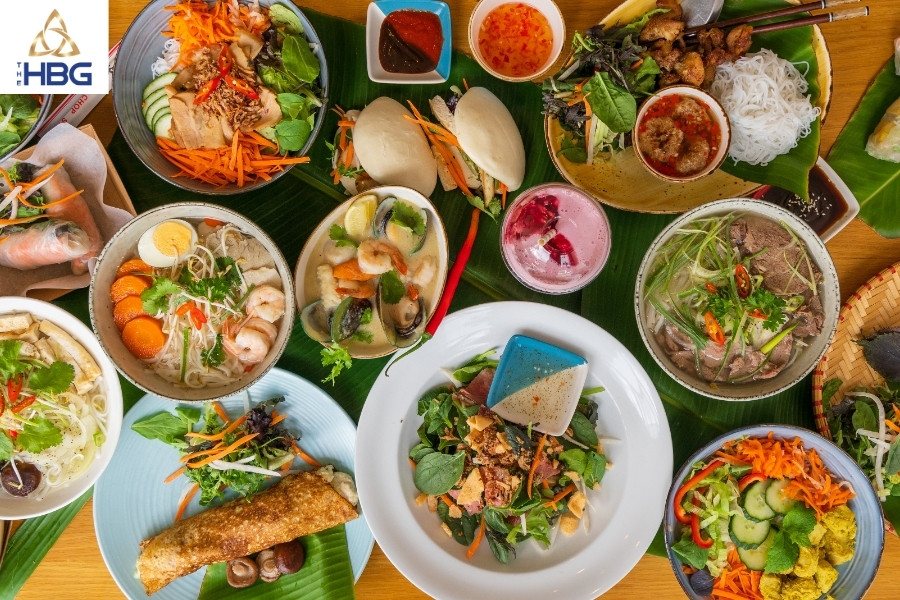
Vietnamese cuisine is special because it blends fresh ingredients, balanced flavors, and regional identity into every meal.
Best traditional food in Vietnam you must try
For first-time travelers, this list covers the most representative Vietnamese traditional foods that are easy to find, enjoyable to try, and deeply connected to local culture.
1. Pho (Vietnamese Beef/Chicken Noodle Soup)
Pho is often considered the most famous Vietnamese national dish, and for many visitors, it is the first dish that comes to mind when talking about Vietnam national food. If you are searching for the country of origin of pho, the answer is Vietnam, with Hanoi and Northern Vietnam often associated with its early identity.
A classic bowl of pho includes flat rice noodles, clear aromatic broth, thin slices of beef or chicken, herbs, and simple garnishes. Northern-style pho is usually clean, light, and focused on the depth of the broth, while southern-style pho is often served with more herbs, bean sprouts, sauces, and a slightly sweeter taste. It is commonly eaten for breakfast, but travelers can enjoy it at almost any time of day.
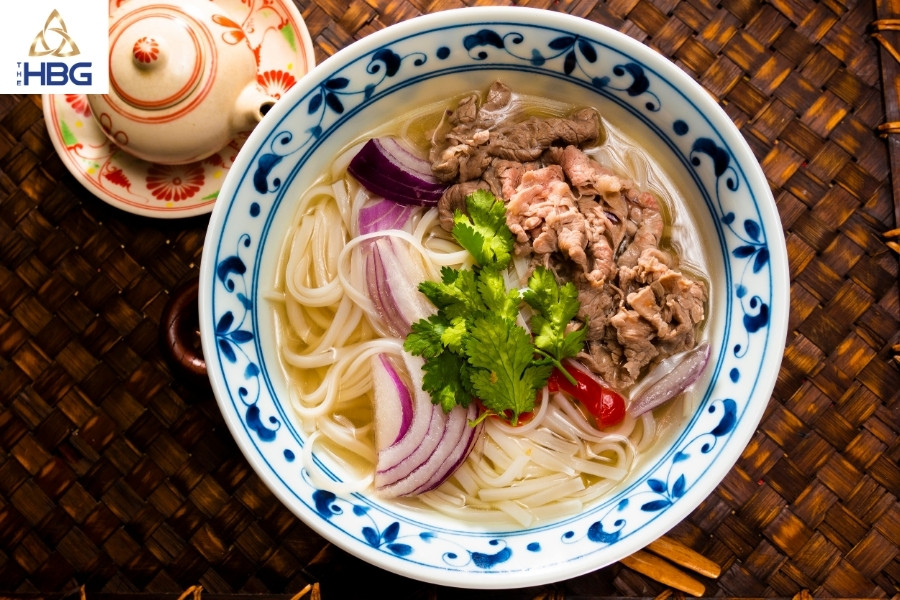
Pho is Vietnam’s most iconic noodle soup, loved for its fragrant broth, soft rice noodles, and comforting local flavor.
2. Banh Mi (Vietnamese Sandwich)
Banh Mi is one of the most recognizable examples of Vietnamese cultural food, combining local flavors with French-inspired bread. It uses a crispy baguette filled with ingredients such as pâté, cold cuts, grilled pork, chicken, egg, pickled vegetables, cucumber, herbs, chili, and savory sauces.
What makes banh mi special is contrast. The outside is crunchy, the inside is rich and flavorful, and the fresh herbs balance the heavier fillings. It is quick, affordable, and easy to find across the country, from street stalls to modern cafés. For travelers, banh mi is also one of the easiest local foods to try during a busy sightseeing day.
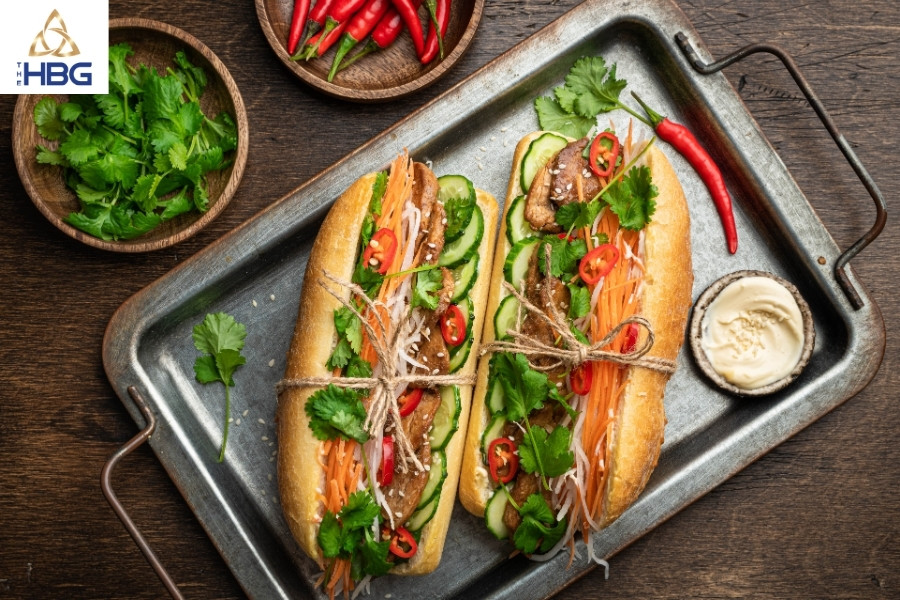
Banh mi turns a simple baguette into a flavorful Vietnamese street food filled with texture, freshness, and local character.
3. Bun Cha
Bun Cha is a signature Hanoi dish that became internationally known for its smoky grilled pork, rice noodles, herbs, and sweet-sour dipping sauce. It is usually served as separate components: a bowl of warm dipping sauce with grilled pork patties and pork slices, a plate of fresh herbs, and soft rice vermicelli.
The joy of bun cha comes from building each bite yourself. You dip the noodles and herbs into the sauce, combine them with grilled pork, and enjoy the balance of charred aroma, freshness, sweetness, and acidity. It is especially popular for lunch in Hanoi and is one of the best dishes for travelers who want a true northern street food experience.
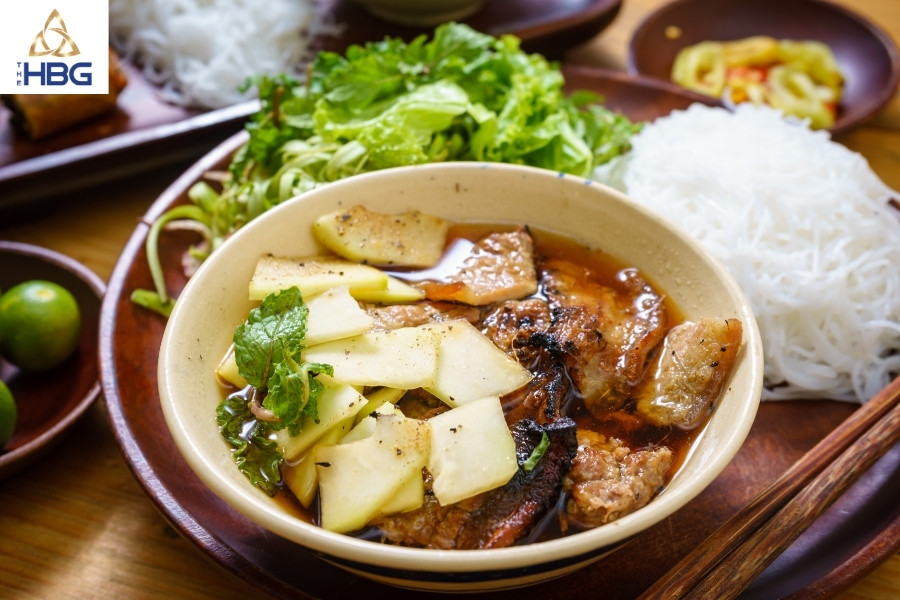
Bun cha captures Hanoi’s street food soul with grilled pork, fresh herbs, rice noodles, and a beautifully balanced dipping sauce.
4. Goi Cuon (Fresh Spring Rolls)
Goi Cuon, or fresh spring rolls, is a lighter dish made with rice paper, herbs, rice noodles, shrimp, pork, or other fillings. Unlike fried spring rolls, goi cuon is served fresh, making it a great choice for travelers who want something clean, refreshing, and easy to eat.
The rolls are usually dipped in peanut sauce or fish sauce-based dipping sauce. Their appeal lies in the combination of soft rice paper, crisp vegetables, fragrant herbs, and savory protein. Goi cuon is also a good introduction to how Vietnamese food uses herbs and fresh ingredients to create flavor without feeling heavy.
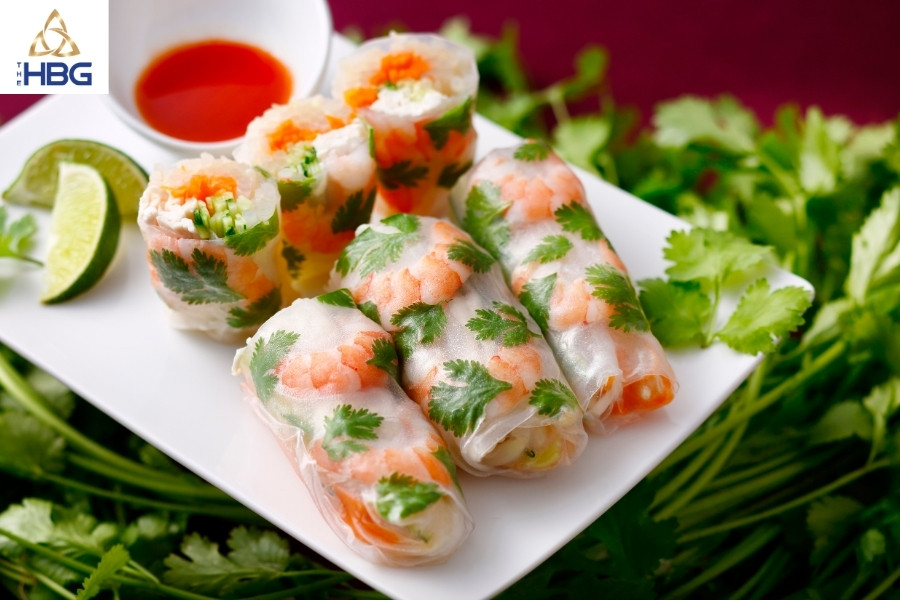
Goi cuon is a fresh and delicate dish that shows the lighter, herb-filled side of Vietnamese cuisine.
5. Cha Gio (Fried Spring Rolls)
Cha Gio is the crispy fried version of Vietnamese spring rolls, usually filled with minced pork, mushrooms, glass noodles, vegetables, and seasonings. The rolls are deep-fried until golden and crunchy, then served with lettuce, herbs, and dipping sauce.
In different regions, this dish may have slight variations in size, filling, and wrapping style. Some versions use rice paper for a delicate crisp texture, while others use different wrappers depending on local preference. Cha gio is often served during family meals, celebrations, and restaurant gatherings, making it both a home-style and festive dish.
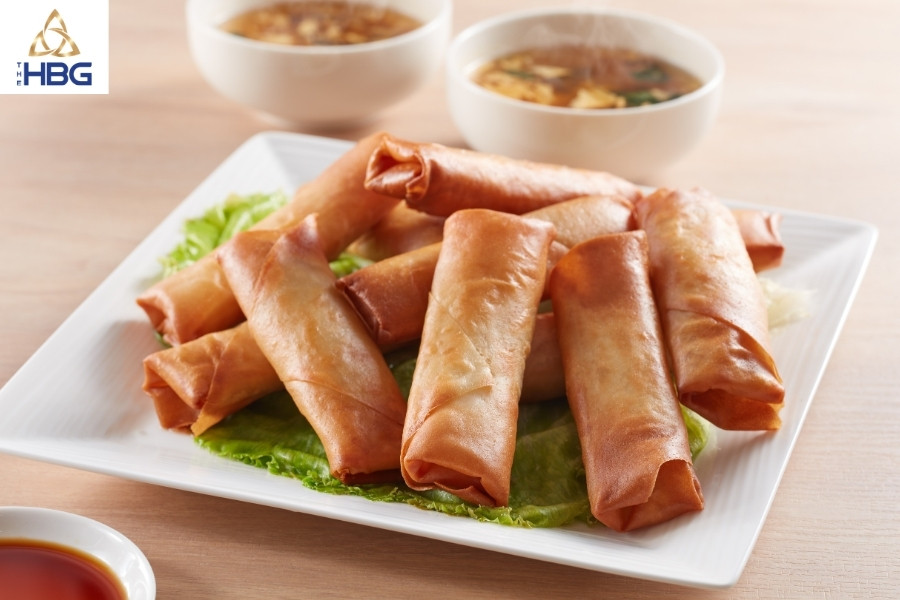
Cha gio brings together crispy texture, savory filling, and fresh herbs in one of Vietnam’s most beloved comfort foods.
6. Bun Bo Hue
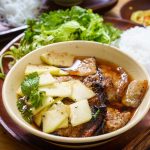
Bun Bo Hue is a bold noodle soup from Hue, the former imperial capital in Central Vietnam. Compared with pho, it has a deeper, spicier, and more aromatic broth, often flavored with lemongrass, chili oil, beef, pork, and shrimp paste.
The dish is usually served with thick round rice noodles, slices of beef, pork, herbs, lime, and chili. Its flavor is rich and layered, making it a favorite for travelers who want to explore the stronger side of Central Vietnamese cuisine. For those asking is Vietnam food spicy, bun bo Hue is a good example of a dish that can bring noticeable heat, though spice levels may vary by restaurant.
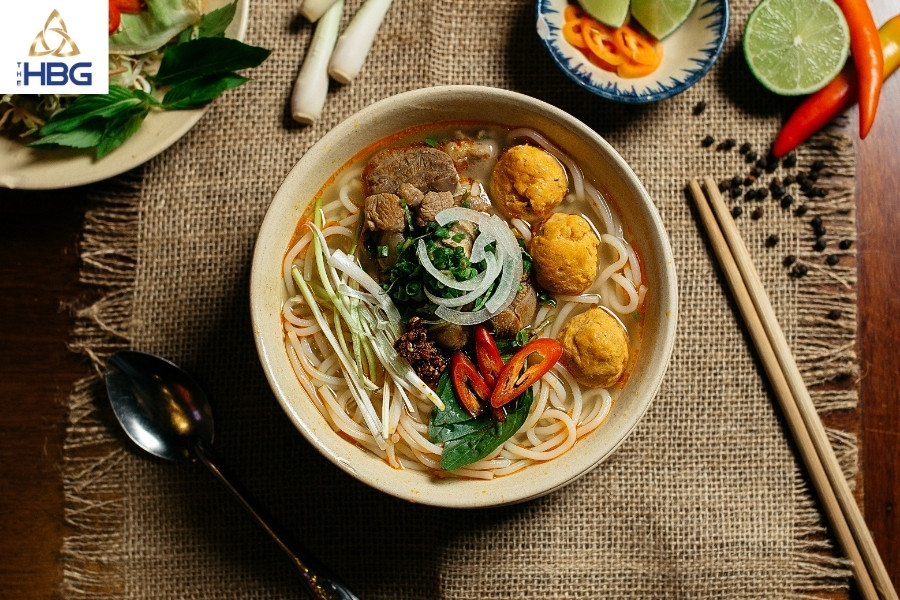
Bun bo Hue is a bold Central Vietnamese noodle soup known for its rich broth, lemongrass aroma, and spicy depth.
7. Mi Quang
Mi Quang is a specialty from Central Vietnam, especially associated with Quang Nam and Da Nang. It is made with wide turmeric-colored noodles, a small amount of concentrated broth, shrimp or pork, herbs, peanuts, and crispy rice crackers.
Unlike noodle soups with a full bowl of broth, mi Quang is served more like a noodle dish with just enough sauce to coat the ingredients. The result is rich, fragrant, and textured. The crispy rice crackers, roasted peanuts, fresh herbs, and savory toppings make every bite interesting.
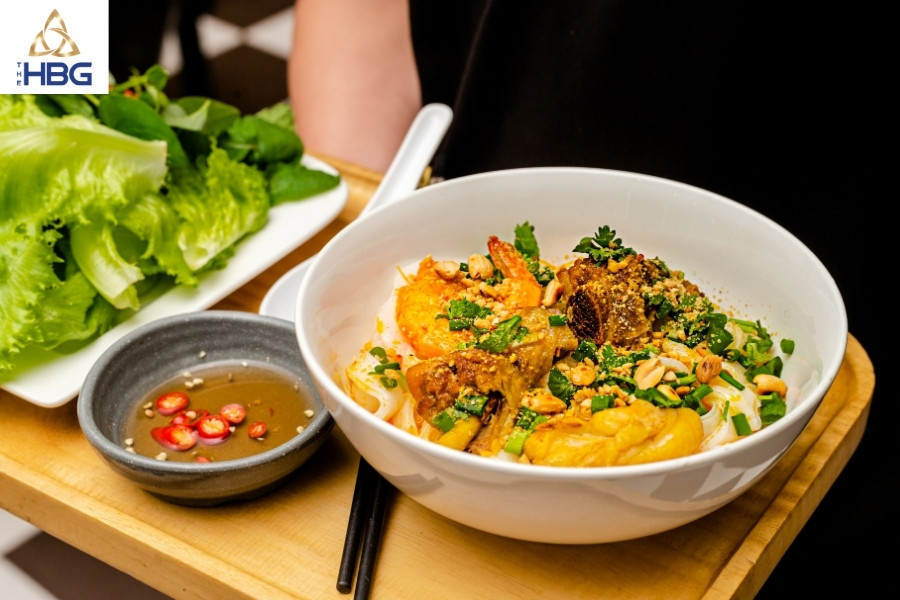
Mi Quang is a colorful Central Vietnamese noodle dish with turmeric noodles, rich broth, herbs, peanuts, and crispy rice crackers.
8. Cao Lau
Cao Lau is strongly linked to Hoi An and is one of the most distinctive Vietnam traditional dishes in Central Vietnam. It features chewy noodles, sliced pork, greens, herbs, crispy toppings, and a small amount of savory sauce.
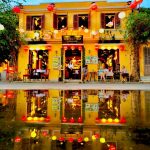
What makes cao lau memorable is its texture. The noodles are firmer than regular rice noodles, while the pork, herbs, and crispy elements create a balanced bowl that feels both rustic and refined. Because it is closely associated with Hoi An, cao lau is best enjoyed while exploring the ancient town’s narrow streets and lantern-lit atmosphere.
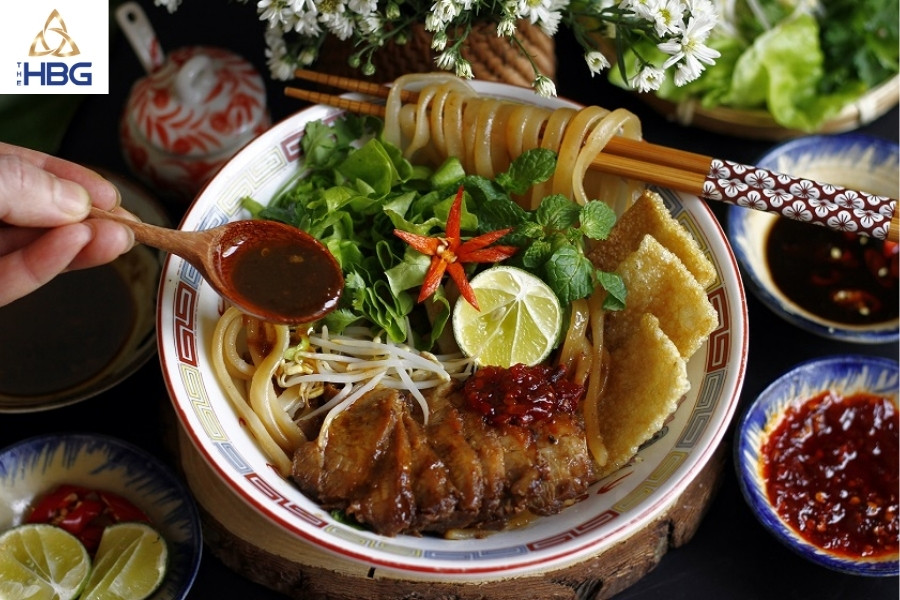
Cao lau is a Hoi An specialty known for chewy noodles, savory pork, fresh herbs, and a unique local identity.
9. Com Tam (Broken Rice)
Com Tam, or broken rice, is one of the most popular dishes in Southern Vietnam, especially in Ho Chi Minh City. It is made with broken rice grains and commonly served with grilled pork chop, shredded pork skin, steamed egg meatloaf, pickled vegetables, cucumber, and fish sauce.
The dish is hearty, flavorful, and satisfying. The grilled pork gives a smoky aroma, the broken rice has a soft texture, and the dipping sauce ties everything together. Com tam is often eaten for breakfast or lunch, but it is also easy to find throughout the day in the south.
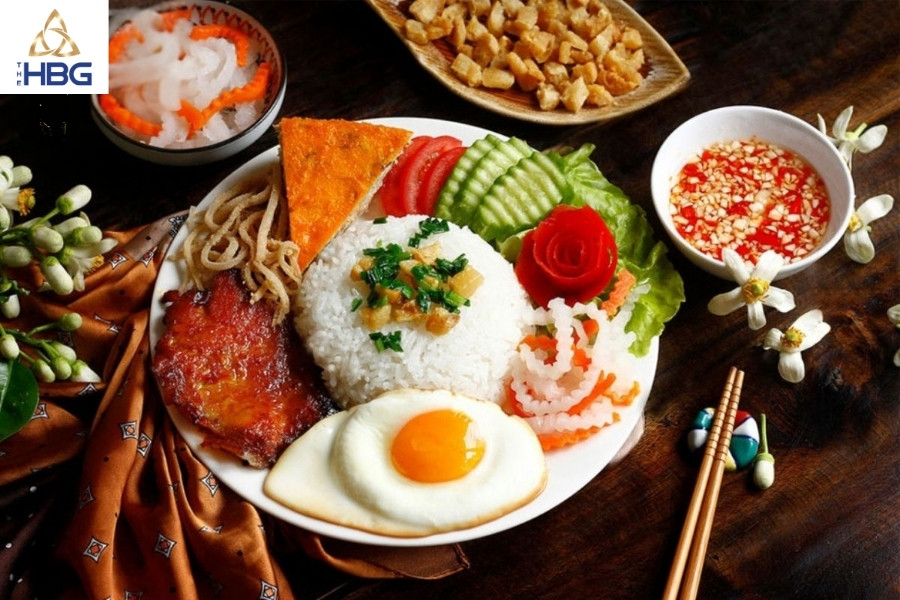
Com tam is a comforting southern dish that pairs broken rice with grilled pork, pickles, egg, and flavorful fish sauce.
10. Banh Xeo
Banh Xeo is a crispy Vietnamese pancake made from rice flour, turmeric, coconut milk in some regions, and fillings such as shrimp, pork, and bean sprouts. The name is inspired by the sizzling sound the batter makes when poured into a hot pan.
To eat banh xeo, diners often wrap pieces of the pancake in lettuce or rice paper with herbs, then dip them into fish sauce. Southern versions are often larger and crispier, while Central Vietnamese versions are usually smaller and more concentrated in flavor. This dish is fun, hands-on, and perfect for sharing.
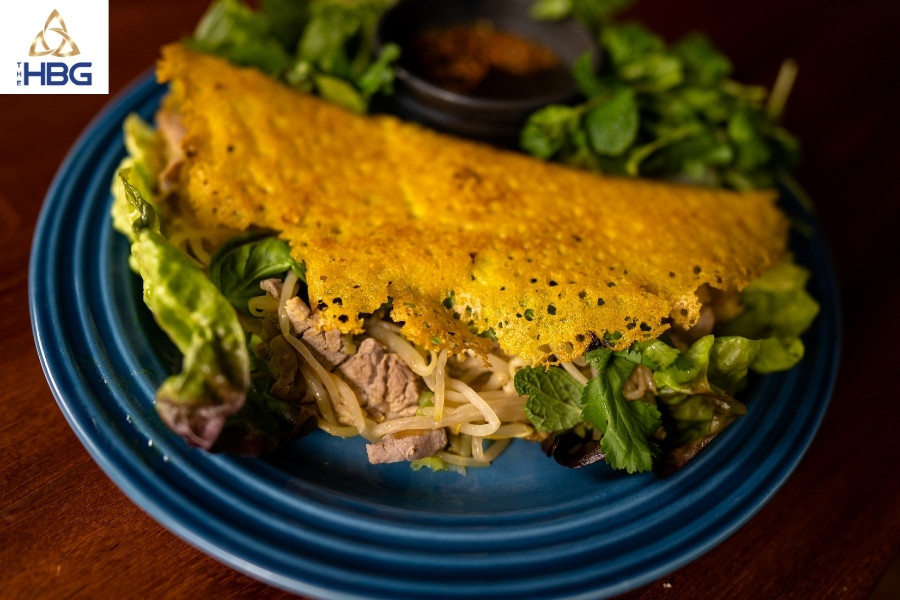
Banh xeo is a crispy Vietnamese pancake that brings together sizzling texture, fresh herbs, and savory dipping sauce.
11. Banh Cuon
Banh Cuon is a delicate northern Vietnamese dish made from thin, steamed rice flour sheets filled with minced pork and wood ear mushrooms. It is usually served with fried shallots, fresh herbs, Vietnamese pork sausage, and a light fish sauce-based dipping sauce.
What makes banh cuon special is its soft and silky texture. The rice sheets are made fresh and rolled carefully, creating a dish that feels light but still flavorful. It is often enjoyed for breakfast or as a gentle meal during the day, especially in Hanoi and other northern provinces.
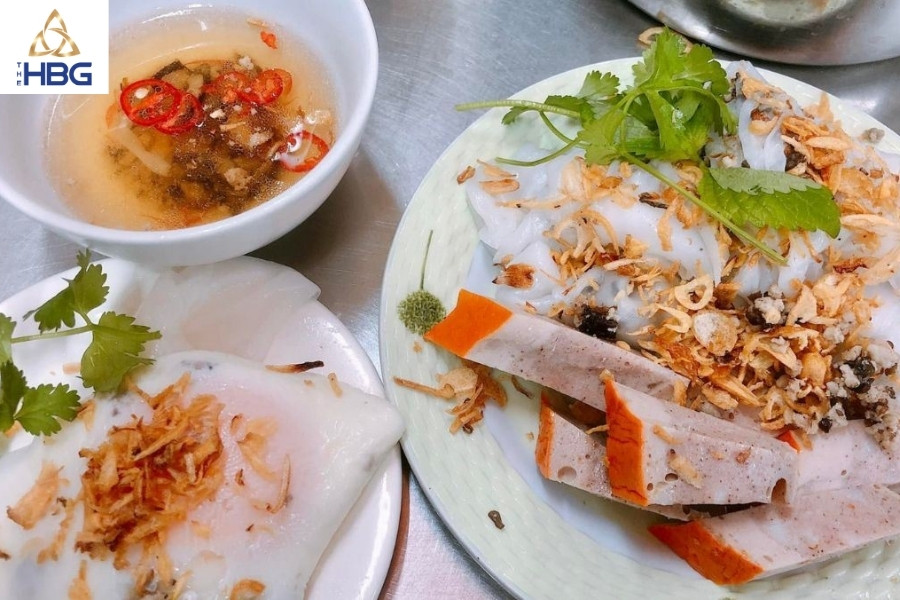
Banh cuon offers a soft, delicate taste of northern Vietnam through steamed rice rolls, savory filling, and fragrant dipping sauce.
12. Cha Ca La Vong
Cha Ca La Vong is one of Hanoi’s most iconic dishes, known for its turmeric-marinated fish cooked with dill and spring onions. The dish is often served sizzling in a hot pan, then enjoyed with rice noodles, roasted peanuts, herbs, and shrimp paste or fish sauce.
This dish stands out because of its distinctive aroma. The combination of warm turmeric, fresh dill, tender fish, and crunchy peanuts creates a flavor that feels deeply local and different from many other Vietnamese dishes. For travelers who want to explore Hanoi beyond pho and bun cha, cha ca is a memorable choice.
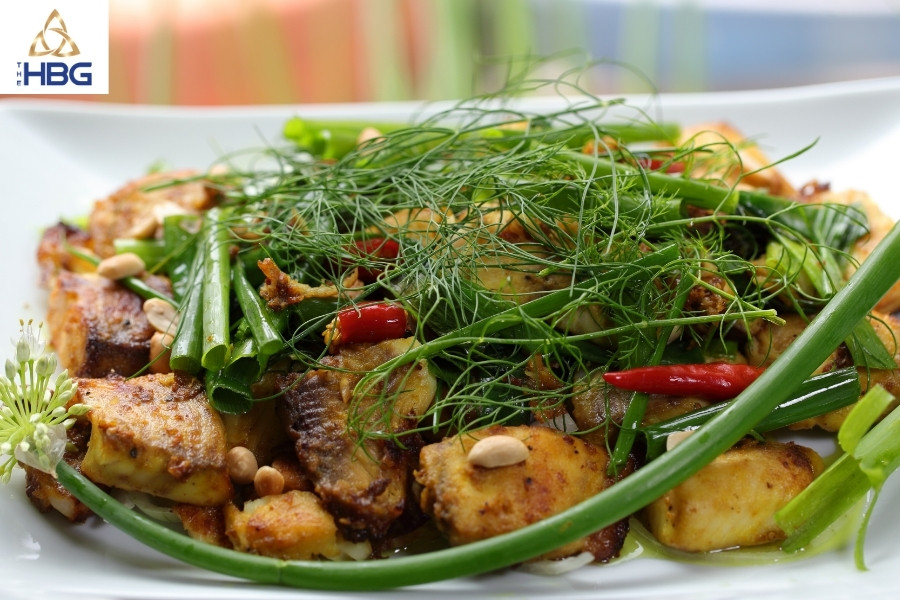
Cha ca La Vong brings together turmeric fish, fresh dill, rice noodles, and Hanoi’s rich culinary heritage.
13. Bun Rieu
Bun Rieu is a flavorful noodle soup commonly made with a tomato-based broth, crab paste, rice vermicelli, tofu, herbs, and sometimes pork or seafood toppings. The broth has a gentle sourness from tomatoes, balanced with savory depth and fresh greens.
Unlike heavier noodle soups, bun rieu feels bright and refreshing. It is popular in many parts of Vietnam, with regional variations depending on local taste. Some bowls are simple and light, while others are richer with extra toppings. It is a great dish for travelers who enjoy noodle soups but want something different from pho.
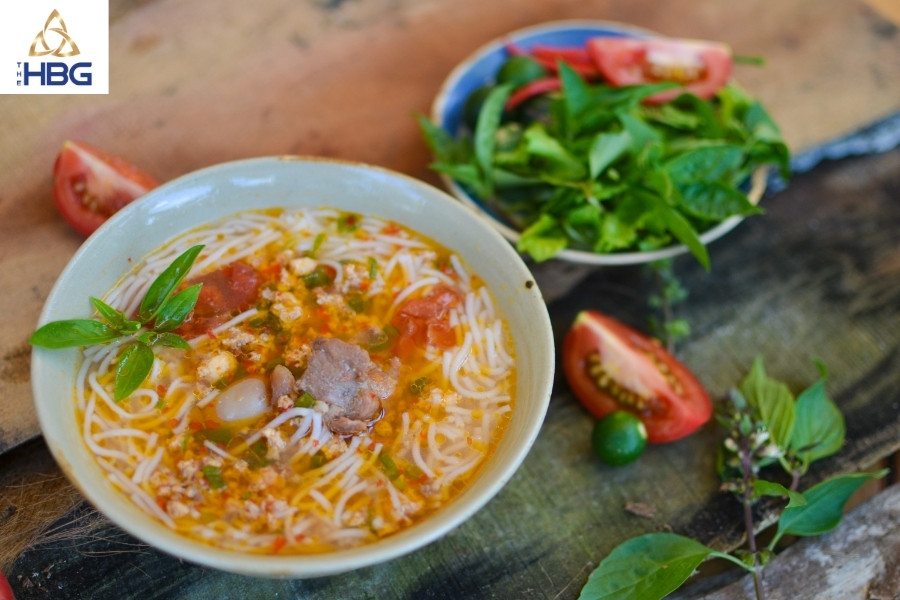
Bun rieu is a bright and comforting noodle soup with tomato broth, crab flavor, tofu, herbs, and a refreshing local taste.
14. Hu Tieu
Hu Tieu is a popular noodle dish in Southern Vietnam, especially in Ho Chi Minh City and the Mekong Delta. It can be served as a soup or dry noodle dish, usually with pork, shrimp, quail egg, herbs, and a clear, slightly sweet broth.
The dish reflects the open and diverse food culture of the south. Hu tieu is lighter than some northern noodle soups but still full of flavor, making it a favorite for breakfast, lunch, or late-night meals. Travelers may find different versions, from street-side bowls to more elaborate restaurant servings.
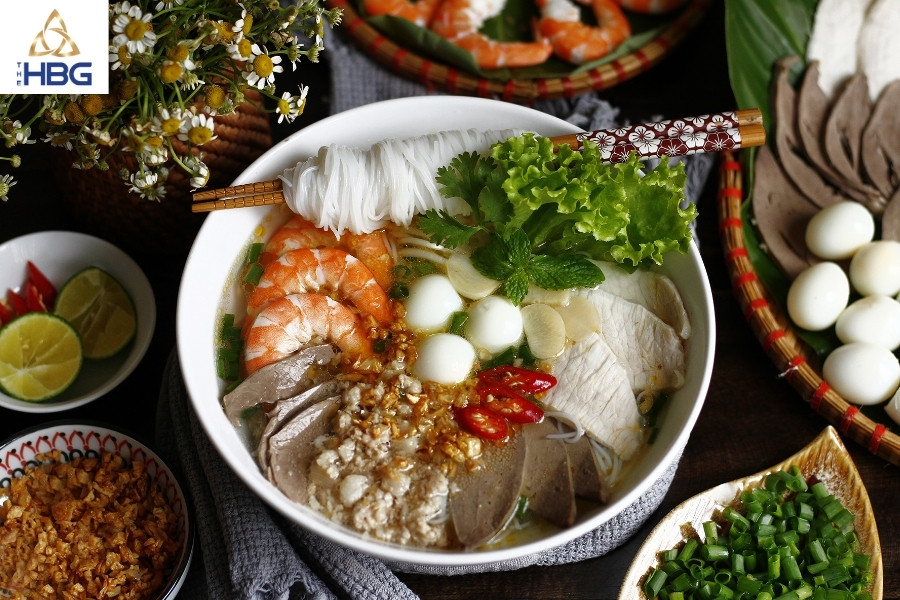
Hu tieu reflects southern Vietnam’s easygoing food culture with light noodles, clear broth, and generous toppings.
15. Bun Thit Nuong
Bun Thit Nuong is a refreshing rice noodle bowl topped with grilled pork, herbs, cucumber, pickled vegetables, peanuts, and fish sauce. It is especially popular in Southern Vietnam, where meals often feel fresh, colorful, and slightly sweet.
The charm of this dish lies in its balance. The grilled pork adds smoky richness, while the herbs and vegetables keep the bowl light. It is not a soup, so it is easy to enjoy in warm weather and suitable for travelers who want a satisfying but not overly heavy meal.
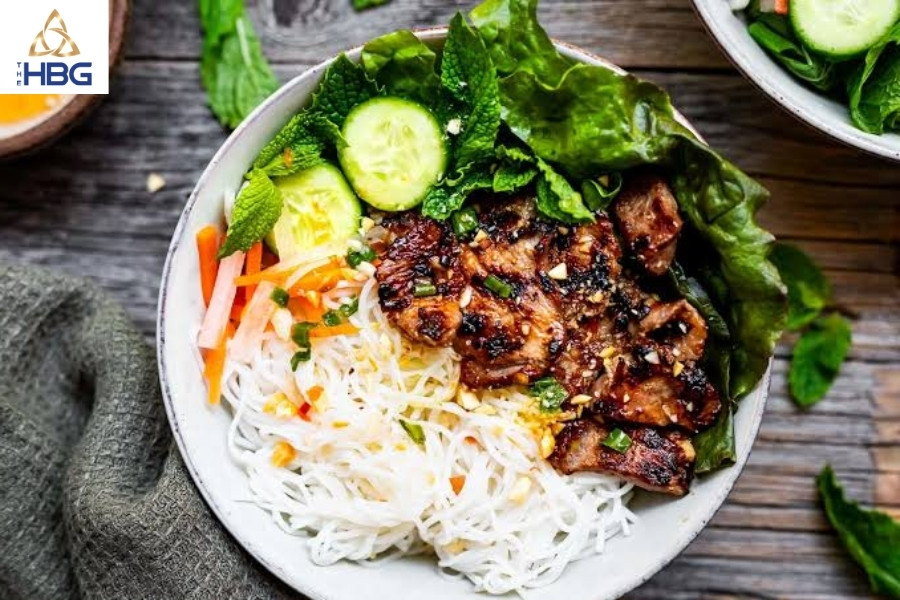
Bun thit nuong is a colorful grilled pork noodle bowl that balances smoky flavor, fresh herbs, and bright southern-style sauce.
16. Banh Beo
Banh Beo is a small steamed rice cake often associated with Hue and Central Vietnam. It is usually served in tiny dishes and topped with dried shrimp, crispy shallots, scallion oil, and fish sauce.
This dish is simple in size but rich in character. Each small portion offers a soft base, savory topping, and gentle sauce, making it a refined snack or appetizer. Banh beo is also a good example of how Central Vietnamese cuisine values small portions, careful presentation, and layered flavors.
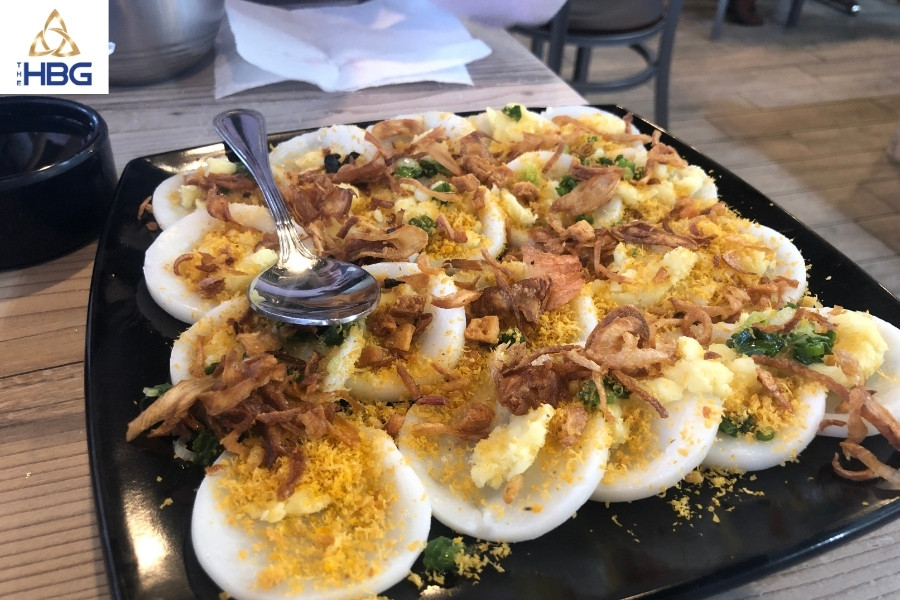
Banh beo captures the elegance of Central Vietnamese cuisine through small steamed rice cakes and delicate savory toppings.
17. Banh Khot
Banh Khot is a mini crispy pancake often made with rice flour, coconut milk, turmeric, and shrimp. It is cooked in small round molds until the edges become crisp, then served with herbs, lettuce, and dipping sauce.
This dish is popular in southern coastal areas and is especially enjoyable because of its texture. The outside is crispy, the inside is soft, and the fresh herbs help balance the richness. Like banh xeo, banh khot is a hands-on dish that encourages sharing and slow eating.
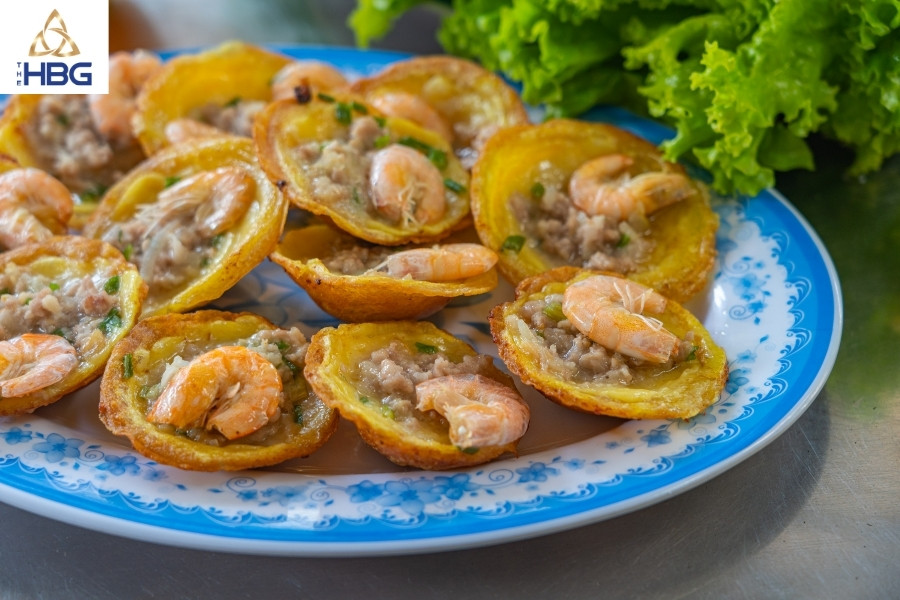
Banh khot is a bite-sized crispy pancake that combines shrimp, herbs, and dipping sauce into a fun local favorite.
18. Vietnamese Coffee
Vietnamese Coffee is more than a drink; it is part of daily life. Strong coffee is often brewed slowly through a metal filter and served with condensed milk, ice, or creative variations such as egg coffee, coconut coffee, and salt coffee.
For many travelers, coffee shops are a window into local culture. You can enjoy a glass of iced milk coffee on a busy sidewalk, sit in a quiet old café in Hanoi, or try modern coffee styles in Ho Chi Minh City. Vietnamese coffee is bold, aromatic, and memorable, making it a must-try experience alongside local food.
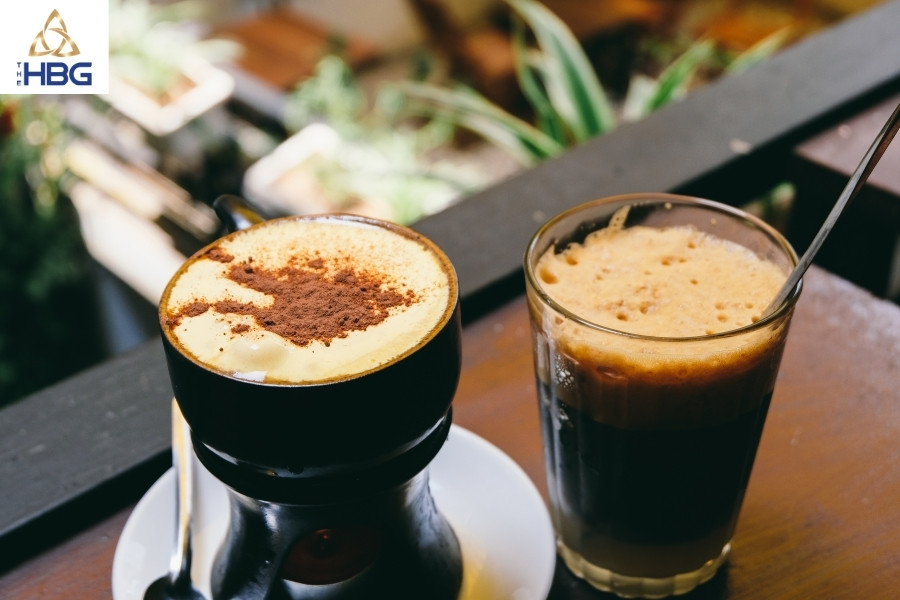
Vietnamese coffee adds a bold and memorable touch to the food journey with slow-dripped brews and creative local flavors.
Frequently asked questions about traditional food in Vietnam
This section answers common questions about famous dishes, first-time food choices, spice levels, vegetarian options, and dining habits in Vietnam.
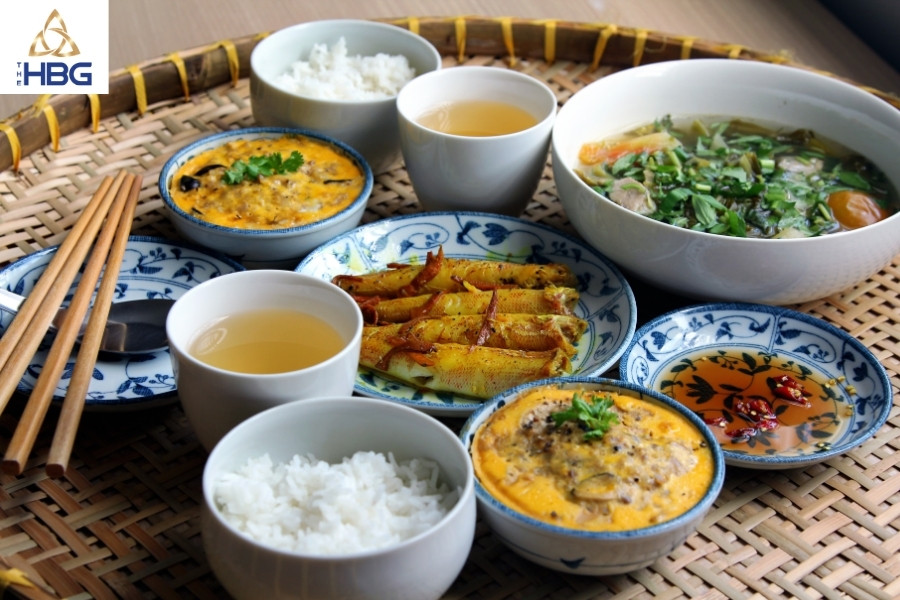
These food questions help first-time visitors feel more confident when exploring Vietnamese cuisine.
What is the most famous traditional food in Vietnam?
Pho is widely considered the most famous traditional dish in Vietnam. It is known around the world for its fragrant broth, flat rice noodles, tender beef or chicken, and fresh herbs. Many people also see pho as a strong symbol of Vietnamese cuisine because it is simple, comforting, and deeply connected to daily life.
However, Vietnam has many other dishes that are just as important to local food culture. Banh mi, bun cha, bun bo Hue, cao lau, com tam, and goi cuon all represent different regions and dining styles. For travelers, the best food experience comes from trying more than one dish across different destinations.
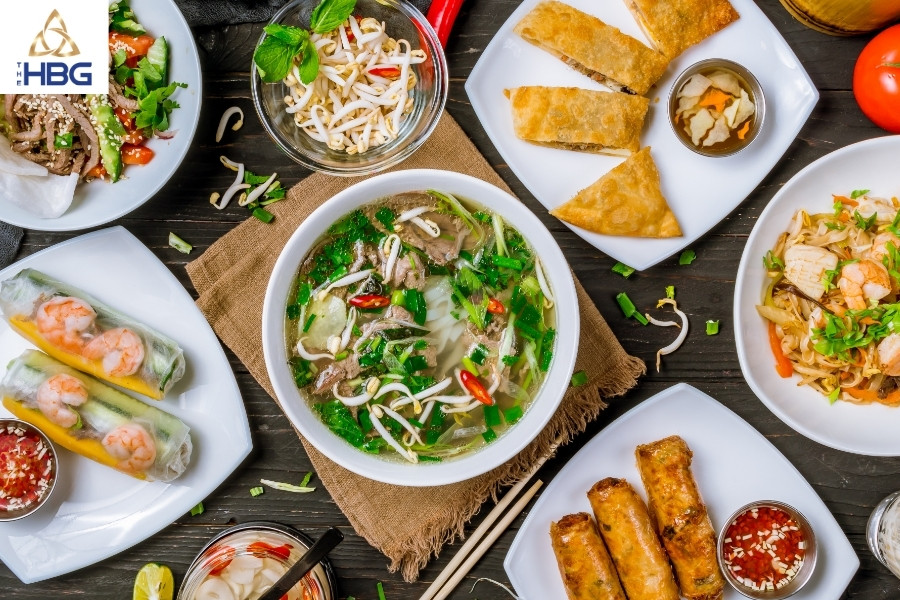
Pho may be Vietnam’s most famous dish, but the country’s food culture is much richer when explored by region.
What food should first-time visitors try?
First-time visitors should start with dishes that are easy to find, approachable, and strongly connected to local culture. Pho, banh mi, goi cuon, bun cha, com tam, mi Quang, cao lau, and Vietnamese coffee are great choices because they show different flavors without being too difficult to enjoy.
Travelers can also choose dishes based on where they are going. In Hanoi, try pho, bun cha, banh cuon, and cha ca. In Hue, look for bun bo Hue and banh beo. In Hoi An and Da Nang, try cao lau and mi Quang. In Ho Chi Minh City, com tam, hu tieu, and bun thit nuong are popular options.
Read more:
>> Is Vietnam a good place to visit? Everything you should know before
>> Is Vietnam safe to visit? A complete safety guide to travel
>> 15+ Best Places to Visit in Vietnam for Every Traveler
Is Vietnamese food spicy?
Vietnamese food is not always spicy by default. Many dishes focus on freshness, herbs, broth, dipping sauce, and balance rather than strong heat. In many restaurants and street food stalls, chili is served on the side, allowing diners to adjust the spice level based on personal taste.
That said, some regional dishes can be spicy, especially in Central Vietnam. Bun bo Hue, certain dipping sauces, chili oil, and local seafood dishes may have more heat than northern or southern dishes. If you do not eat spicy food, you can ask for less chili or avoid adding extra chili sauce.
Overall, Vietnamese cuisine is friendly for many travelers because it offers both mild and bold options.
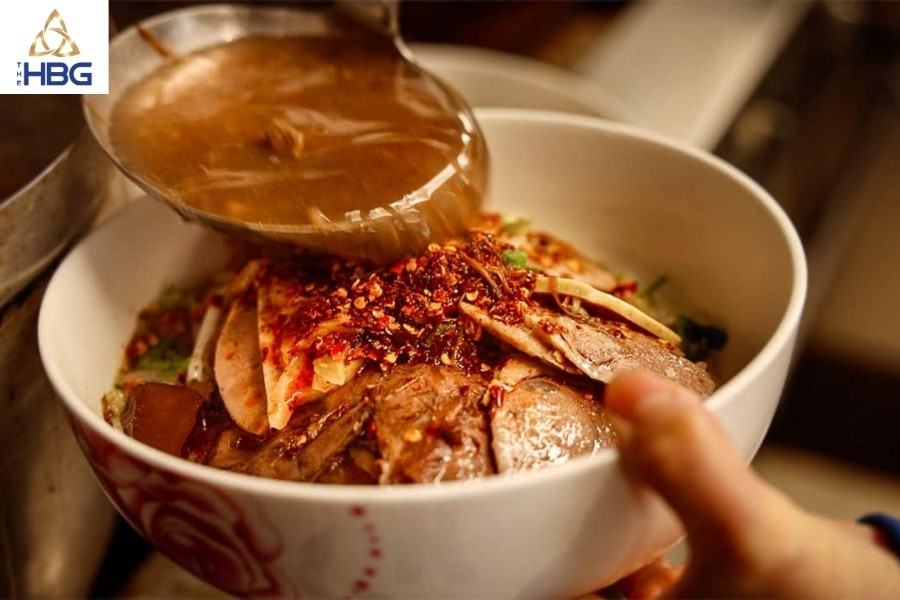
Vietnamese food is usually easy to adjust, with many dishes served mild and chili added separately for those who enjoy more heat.
Is Vietnamese food suitable for vegetarians?
Vietnamese food can be suitable for vegetarians, but travelers should choose dishes carefully. Many meals use fish sauce, meat broth, shrimp paste, or small amounts of meat for flavor, even when the dish looks vegetable-based. Vegetarian travelers should look for restaurants that clearly serve “chay” food, which means vegetarian in Vietnamese.
Common vegetarian-friendly options may include vegetarian spring rolls, tofu dishes, vegetable noodle soups, stir-fried morning glory, mushroom hotpot, vegetarian banh mi, and rice dishes with vegetables. In larger cities such as Hanoi, Da Nang, Hoi An, and Ho Chi Minh City, vegetarian and vegan restaurants are easier to find.
It is helpful to confirm ingredients in advance, especially for broths and dipping sauces. With a little preparation, vegetarian travelers can still enjoy a rich and satisfying food journey in Vietnam.
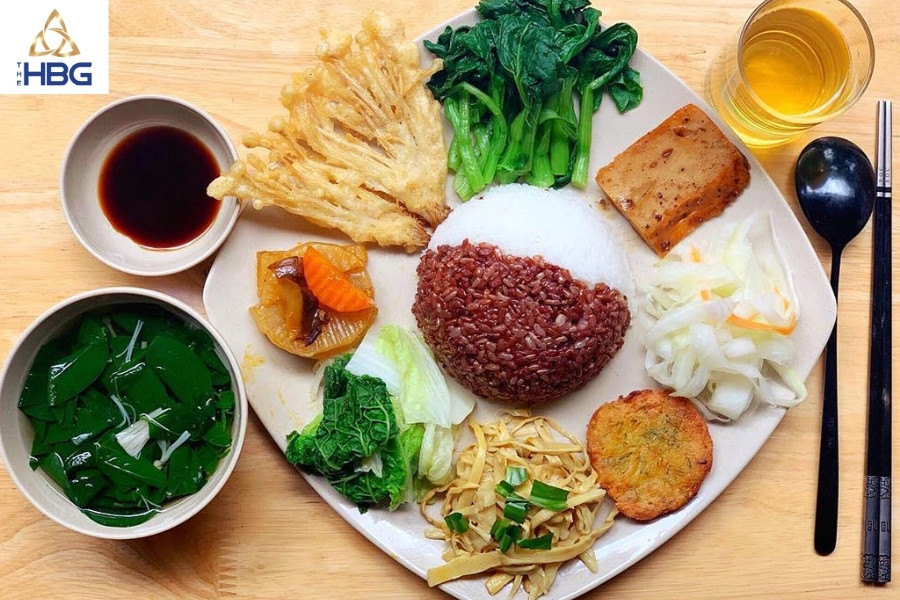
Vegetarian travelers can enjoy many Vietnamese dishes, especially when choosing “chay” restaurants and checking sauces or broths in advance.
Conclusion
Exploring traditional food in Vietnam is one of the most enjoyable ways to understand the country. Each dish tells a story about local ingredients, regional identity, daily habits, and the way Vietnamese people share meals.
For a smoother travel experience, HoaBinh Tourist, under The HBG Tourist – a brand within The HBG ecosystem, can help design Vietnam itineraries that combine sightseeing with authentic local culinary experiences, making it easier to discover the country through both its destinations and flavors. Whether you are visiting Vietnam for the first time or returning for a deeper journey, exploring its traditional dishes can become one of the most memorable parts of your trip.
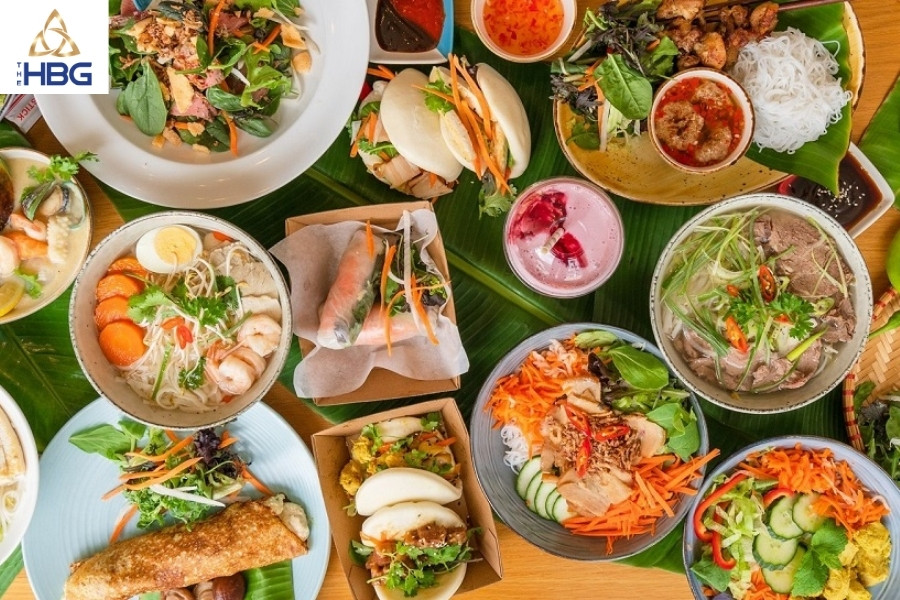
Vietnam’s traditional food turns every journey into a flavorful experience of culture, region, and everyday local life.