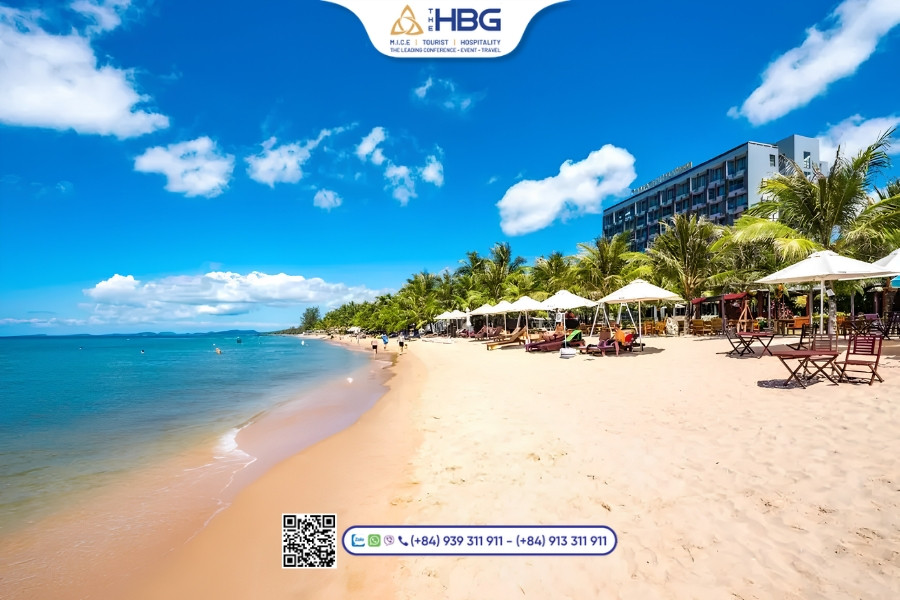
Long Beach Phu Quoc, also known as Bai Truong, is one of the island’s most popular coastal destinations. Stretching for approximately 20 kilometers along Phu Quoc’s western coast, the beach attracts visitors with its golden sand, beautiful sunsets, beachfront resorts, and lively dining scene.
This travel guide covers its location, transportation, best time to visit, activities, food, and practical tips to help you plan your first trip. Let’s dive in!
Where Is Long Beach Phu Quoc?
Location of Long Beach
Long Beach (Bai Truong) stretches along the western coast of Phu Quoc Island, Vietnam. The coastline begins near Duong Dong and continues south toward the An Thoi area, covering approximately 20 kilometers.
Much of the beach runs near Tran Hung Dao Street and the Duong To resort area. Its northern sections are close to central Duong Dong, while the southern sections have larger beachfront resorts and more spacious coastal developments.
Long Beach is particularly convenient for travelers because Phu Quoc International Airport, hotels, restaurants, and entertainment areas are all accessible from different parts of the coastline.
However, the beach is too long to explore entirely on foot. You should choose a specific beach access point, resort, or attraction before arranging transportation.
How to Get to Long Beach
Travelers departing from Ho Chi Minh City to Phu Quoc can reach Long Beach by air or by combining road transportation with a ferry.
By plane
Flying from Ho Chi Minh City to Phu Quoc is the fastest and most convenient option. Direct flights from Tan Son Nhat International Airport (SGN) to Phu Quoc International Airport (PQC) usually take around one hour.
After arriving at the airport, visitors can take a taxi or arrange a private transfer to their accommodation along Long Beach. Some southern sections of the beach are only a short drive from the airport, while hotels closer to Duong Dong may take around 15–25 minutes to reach.
By bus and ferry
If you prefer traveling overland, you can take a bus from Ho Chi Minh City to Rach Gia or Ha Tien, where passenger ferries depart for Phu Quoc.
After reaching the island, you will need another vehicle to travel to Long Beach. This option takes considerably longer than flying, but it may suit travelers who want to explore southern Vietnam along the way.
Ferry departures depend on operating schedules and sea conditions. You should confirm the latest timetable before making your travel plans.

Explore Phu Quoc with HoaBinh Tourist
If you prefer an organized holiday, you can explore Phu Quoc tour packages from HoaBinh Tourist, a travel service provider under The HBG Tourist – a brand within The HBG ecosystem.
These tours can help travelers arrange suitable itineraries and coordinated travel services while discovering Long Beach and other attractions across Phu Quoc Island.
What Makes Long Beach Phu Quoc Worth Visiting?
Long Beach is more than a place to swim. Its location, coastal scenery, recreational activities, and dining options make it one of the most convenient areas for visitors exploring Phu Quoc for the first time.
Prime Location Near Duong Dong Town
One of Long Beach’s biggest advantages is its proximity to Duong Dong, the island’s main commercial and tourist center.
Visitors staying along the northern part of the beach can easily reach local restaurants, shops, cafes, and the Phu Quoc Night Market. This makes it possible to enjoy the beach during the day and explore the town in the evening without spending too much time traveling.
The southern sections offer a different experience, with larger resorts and quieter surroundings. Travelers can therefore choose between a lively location near town and a more peaceful beachfront stay farther south.
Stunning Natural Scenery
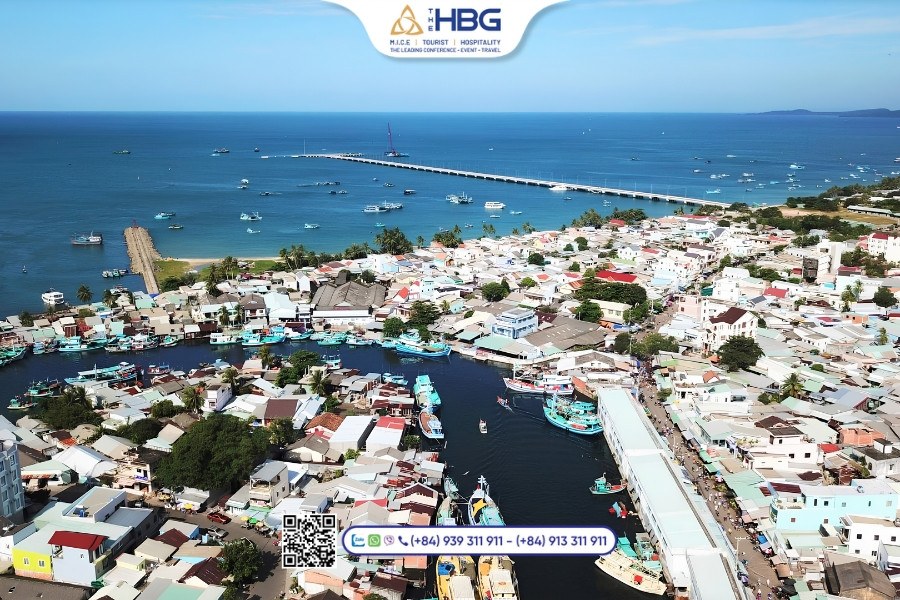
Long Beach is known for its long stretches of golden sand, coconut trees, and open views of the Gulf of Thailand.
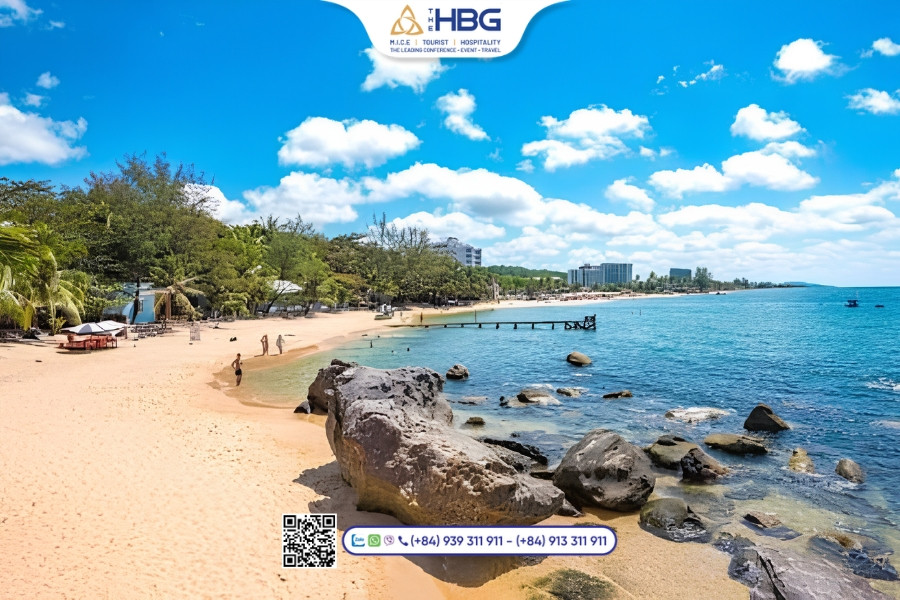
Unlike Phu Quoc’s smaller rocky coves, much of Bai Truong has a broad sandy shoreline where visitors can walk, relax, and enjoy the coastal landscape. The beach’s appearance changes along its length, with developed resort areas, quieter sandy sections, and occasional rocky features.
Its west-facing position is another major attraction. On clear afternoons, visitors can watch the sun set over the sea as the sky changes from gold to orange and pink.
Exciting Beach Activities
The developed sections of Long Beach offer more recreational options than many quieter beaches on Phu Quoc.
Depending on the location and weather, visitors may find kayaking, stand-up paddleboarding, jet skiing, and other water activities through resorts or independent operators.
Swimming is especially enjoyable during the dry season, when the sea is generally calmer. Travelers who prefer a slower pace can relax on the sand, enjoy a beach massage, or spend the afternoon at a beachfront cafe.
Because services vary along the coastline, you should confirm availability and prices with the operator before planning a particular activity.
Vibrant Nightlife
Long Beach becomes particularly lively in the late afternoon, when visitors gather at beachfront bars and restaurants to watch the sunset.
Popular venues such as OCSEN Beach Bar & Club and Sailing Club Phu Quoc are known for their coastal settings, drinks, music, and social atmosphere. Their programs and operating hours may change, so check current information before visiting.
The Sonasea area also has pedestrian streets with restaurants, shops, and evening entertainment.
For travelers who want a wider range of local street food and souvenirs, Duong Dong Night Market is another convenient evening destination from the northern sections of Long Beach.
Fresh Seafood and Local Cuisine
Long Beach has a wide selection of dining options, from casual Vietnamese restaurants to beachfront seafood venues and upscale resort restaurants.
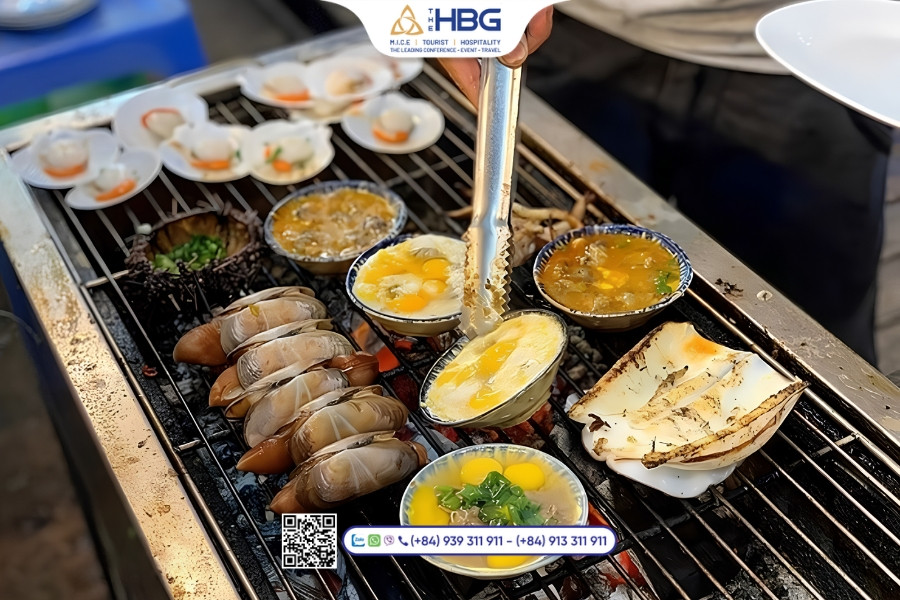
Visitors can enjoy grilled fish, prawns, squid, and other seafood while overlooking the sea. Some beachfront establishments are especially attractive around sunset, when outdoor tables offer views of the changing sky.
The northern part of Long Beach provides convenient access to local restaurants around Duong Dong, while the central and southern resort areas offer more hotel dining and beach club options.
This variety makes Long Beach suitable for travelers who want to try local dishes without traveling far from their accommodation.
What Is the Best Time to Visit Long Beach Phu Quoc?
The best time to visit Long Beach Phu Quoc is generally from November to April, during the island’s drier season.
These months usually bring more sunshine, calmer seas, and better conditions for swimming and beach activities. December to March is particularly popular among visitors seeking warm weather and comfortable outdoor experiences.
Long Beach faces west, so seasonal winds strongly affect its sea conditions. During the rainy season, especially from June to September, stronger waves and reduced water visibility can make swimming and water sports less enjoyable.
| Travel period | Typical weather and sea conditions | Recommended activities |
| November – April | Drier weather, more sunshine, and generally calmer water | Swimming, kayaking, beach walks, sunset watching, and outdoor dining |
| May – October | More frequent rain, stronger winds, and potentially rougher seas | Sightseeing, dining, resort activities, and beach visits when conditions are suitable |
Even during the dry season, the weather can change unexpectedly. You should check local conditions before entering the sea or booking water activities.
For photography and sunset watching, late afternoon is an excellent time to visit. The exact sunset time varies by season, but arriving 30–45 minutes beforehand gives you enough time to enjoy the coastal scenery.
8 Best Things to Do at Long Beach Phu Quoc
Long Beach offers different experiences throughout the day. You can begin with a quiet morning walk, enjoy the water during suitable weather, and finish your visit with seafood and sunset views.
1. Swim in the Clear Blue Waters
Swimming is one of the most popular activities at Long Beach, particularly during the dry season.
Many sandy sections have a gradual slope into the water, making them pleasant places for casual swimming when the sea is calm. The northern and central resort areas also provide convenient access to nearby restaurants and facilities.
However, the water is not equally clear or safe along the entire coastline. Waves, tides, weather, and local beach conditions can change throughout the day.
Choose an area with suitable swimming conditions, follow any posted warnings, and avoid entering the water when waves are strong. Families should supervise children closely, especially where no lifeguards are present.
2. Enjoy a Beach Walk at Sunrise or Sunset
Long Beach’s extended sandy shoreline makes it a pleasant destination for walking, especially during the cooler parts of the day.
Early in the morning, the beach is often quieter, allowing visitors to enjoy the sea breeze before restaurants and beach clubs become busy.
Although Long Beach faces west rather than east, sunrise can still provide soft morning light across the sand and coastal vegetation. The most impressive sea-facing views, however, usually appear at sunset.
As the sun moves toward the horizon, the water reflects warm colors and beachfront venues begin preparing for evening visitors.
A sunset walk is particularly enjoyable along accessible sandy sections near the central beach clubs and resorts.
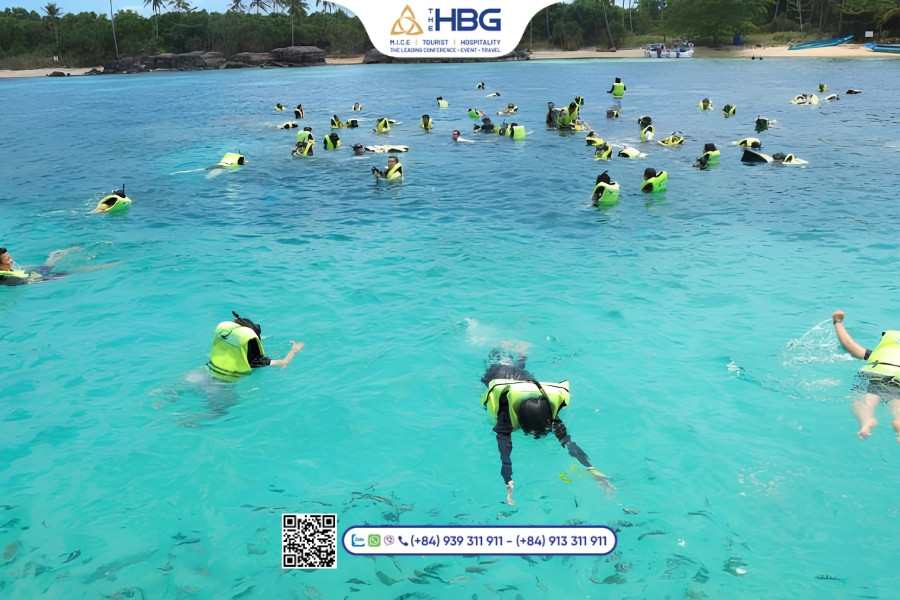
3. Go Snorkeling and Explore Marine Life
Long Beach is primarily a swimming and relaxation destination rather than a major snorkeling site.
The sandy seabed and relatively limited coral areas mean that visitors should not expect the same underwater scenery found around Phu Quoc’s southern islands.
In calm conditions, you may see small fish near suitable rocky sections, but visibility and marine life vary considerably.
If snorkeling in Phu Quoc is one of your main travel interests, consider arranging a guided trip to the An Thoi islands, where established snorkeling tours visit areas with more suitable underwater habitats.
These excursions generally depart from southern Phu Quoc rather than directly from Long Beach. You should confirm the departure point, safety equipment, and weather conditions before booking.

4. Relax with a Beachside Massage
After swimming or walking along the sand, a massage can be a comfortable way to relax.
Some resorts and beachfront businesses along Long Beach offer massage and spa services, allowing guests to enjoy treatments close to the sea.
The experience may range from a simple foot massage to a longer body treatment at a resort spa. Services and prices differ between establishments.
If you prefer a quiet environment, consider booking a treatment at your hotel or a dedicated spa rather than choosing a busy beachfront area.
Before starting, confirm the treatment duration, price, and any additional charges. Travelers with health concerns should also check whether the selected treatment is appropriate for them.
5. Discover Hidden Spots Along the Coast
Although Long Beach is a well-developed tourist destination, its long coastline still includes quieter areas away from the busiest bars and resort entrances.
The northern sections near Duong Dong tend to attract more visitors, while some southern stretches offer a calmer atmosphere with wider views and fewer commercial activities.
Exploring different accessible sections can reveal peaceful sandy areas, coastal vegetation, and interesting sunset viewpoints.
However, resort properties and private facilities may limit access to certain paths or beachfront amenities. Visitors should use public access routes and respect local signs.
Rather than trying to walk the entire 20-kilometer coastline, choose two or three accessible locations and travel between them by taxi or another suitable vehicle.
6. Try Kayaking
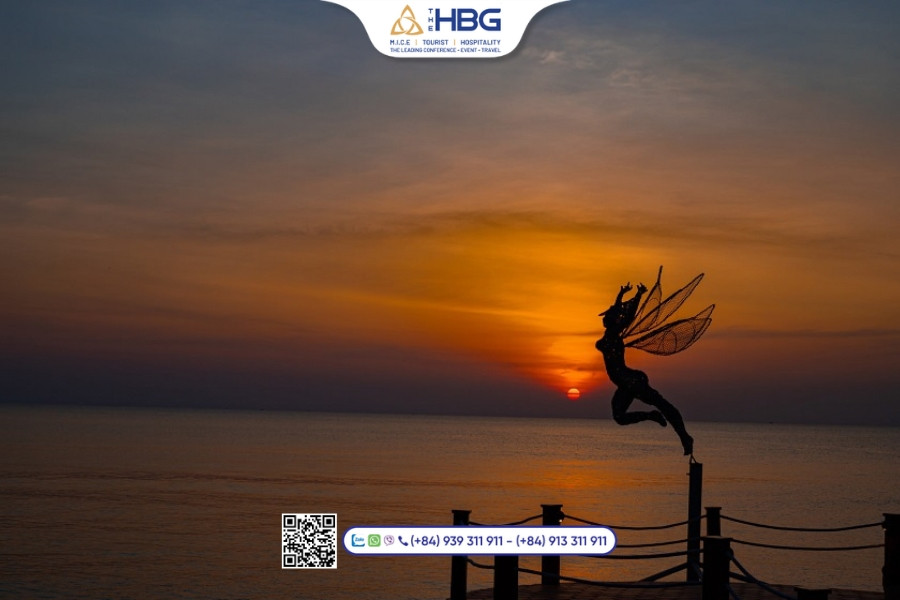
Kayaking allows visitors to experience Long Beach from the water and enjoy a different view of its long shoreline.
During calm weather, you can paddle parallel to the beach while observing beachfront resorts, coconut trees, and the open sea.
Some hotels and water sports operators provide kayak rentals, although availability depends on the specific beach section and weather conditions.
Beginners should select a sheltered area with gentle waves and follow the operator’s safety instructions. A life jacket is essential, even when paddling close to shore.
You should avoid kayaking during strong winds, heavy rain, or rough sea conditions, which are more common during the rainy season.
7. Explore Long Beach Walking Street
Visitors staying in the southern resort area can explore the pedestrian streets around the Sonasea development, often associated with the Long Beach tourist area.
These streets offer restaurants, cafes, souvenir shops, and casual evening dining within walking distance of several nearby resorts.
The atmosphere differs from the beachfront itself. Instead of swimming and sunbathing, visitors can spend time browsing shops, trying snacks, or enjoying a relaxed evening meal.
The Sonasea area is particularly convenient for travelers staying nearby, although visitors from northern Long Beach may need transportation.
Individual businesses and market stalls may change their opening hours, so check the current activity in the area before making a special trip.
8. Experience Phu Quoc’s Nightlife
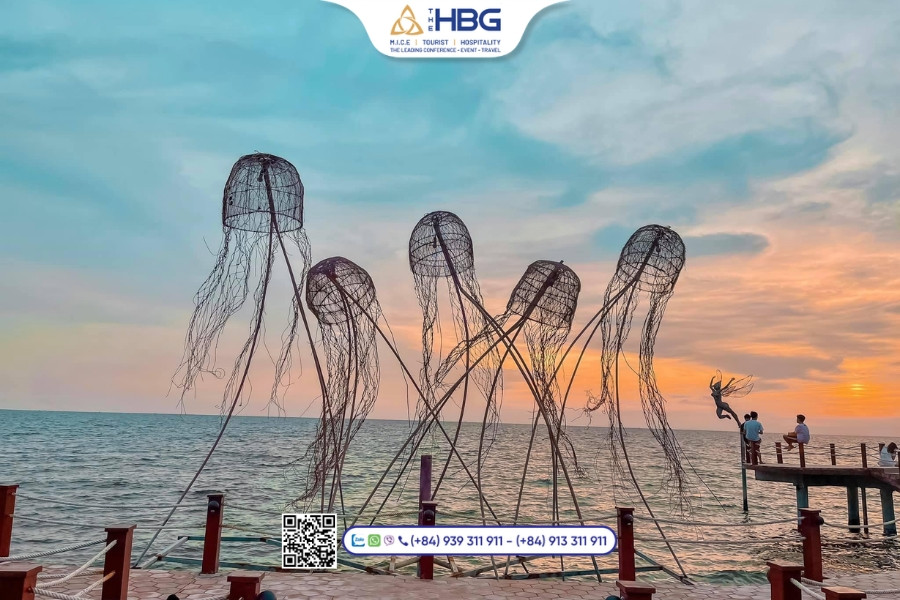
Long Beach is one of Phu Quoc’s main areas for beachfront nightlife.
As evening approaches, sunset bars and beach clubs attract visitors who want to enjoy music, drinks, and ocean views.
OCSEN Beach Bar & Club is known for its relaxed beachfront atmosphere, while Sailing Club Phu Quoc offers a more developed dining and entertainment setting.
Some venues organize special music programs or events, but these are not guaranteed every night. Check the venue’s official channels for current schedules and reservation requirements.
Travelers who prefer local markets can also visit Duong Dong Night Market, which is accessible by vehicle from most parts of Long Beach.
What to Eat at Long Beach Phu Quoc
Long Beach offers plenty of dining choices, from local seafood restaurants near Duong Dong to beachfront grills and resort dining venues. These five dishes are worth trying during your stay.
- Grilled Seafood: Restaurants along Long Beach serve grilled prawns, squid, fish, and shellfish, making seafood platters a popular choice for sunset dinners. You should confirm prices and portion sizes before ordering.
- Herring Salad (Goi Ca Trich): This Phu Quoc specialty combines fresh raw herring with herbs, vegetables, and seasonings. Diners often wrap the fish in rice paper and enjoy it with dipping sauce, so choosing a restaurant with good food handling is important.
- Ham Ninh Crab: Known for its sweet, delicate meat, Ham Ninh crab is usually steamed or boiled to preserve its natural flavor. Many seafood restaurants sell crab by weight, so you should check the price per kilogram.
- Bun Quay: This local noodle dish features fresh rice noodles, seafood-based ingredients such as shrimp or fish paste, and a light broth. Visitors can often prepare their own dipping sauce using the condiments provided.
- Grilled Sea Urchin (Nhum Bien): Some seafood restaurants serve sea urchin grilled with scallion oil or other seasonings. Its rich flavor makes it an interesting option for visitors who want to try something different, although availability varies.
For a casual meal, explore the restaurants around Tran Hung Dao Street and northern Long Beach. If you prefer ocean views, choose a beachfront restaurant or resort dining venue and reserve a table before sunset.
Essential Tips for Visiting Long Beach Phu Quoc
Long Beach is easy to visit, but its length and changing sea conditions can affect your experience. These practical tips will help you plan a more comfortable trip.
- Choose the right section of the beach. Northern Long Beach is convenient for Duong Dong’s restaurants and shops, while the southern sections offer larger resorts and a generally quieter atmosphere.
- Check your exact destination before booking transportation. Long Beach extends for approximately 20 kilometers, so entering only “Long Beach” into a navigation app may not take you to the area you want to visit.
- Visit during the dry season for better swimming conditions. November to April usually offers calmer water, while the rainy season can bring stronger waves and reduced visibility.
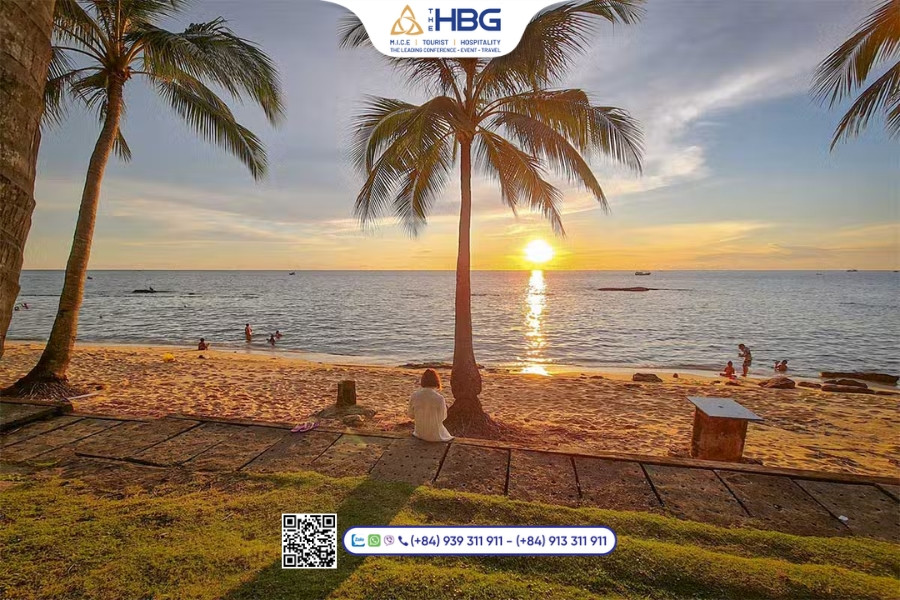
- Arrive early for sunset. Popular beachfront bars and photo locations can become busy in the late afternoon. Arriving 30–45 minutes before sunset gives you more time to find a comfortable spot.
- Use public beach access routes. Although public beach areas are generally free to visit, some resorts restrict access to their private facilities, swimming pools, loungers, and internal pathways.
- Ask about activity prices in advance. Kayak rentals, beach massages, sun loungers, and water sports may involve separate charges.
- Protect yourself from the sun. Long Beach has exposed sandy areas with limited natural shade, so bring sunscreen, a hat, drinking water, and suitable beachwear.
- Follow swimming safety warnings. Strong waves and currents can occur, especially during the rainy season. Do not assume that every beach section has lifeguards.
- Plan your evening transportation. If you visit a beach club or walking street far from your accommodation, arrange a safe return journey rather than relying on finding transport at the last minute.
- Keep the beach clean. Dispose of rubbish properly, avoid disturbing marine life, and respect the coastal environment.
Conclusion
Long Beach Phu Quoc is an excellent choice for first-time visitors who want to combine beach relaxation with convenient access to restaurants, resorts, and entertainment. Its long golden shoreline, beautiful sunsets, and variety of activities make Bai Truong one of the island’s most enjoyable coastal destinations.
Ready to discover Long Beach and more of Phu Quoc? Explore Phu Quoc tour packages with HoaBinh Tourist and let our team help you plan a convenient, enjoyable, and memorable island holiday.